Thinking about buying or selling in Cherry Creek but unsure how this neighborhood really works? You are not alone. Cherry Creek is a compact, high-amenity area that moves on its own rhythm and price bands. In this guide, you will learn how the local micro-market is structured, what drives demand for condos versus single-family homes, how inventory and timing affect pricing, and what steps help you win. Let’s dive in.
Why Cherry Creek behaves like a micro-market
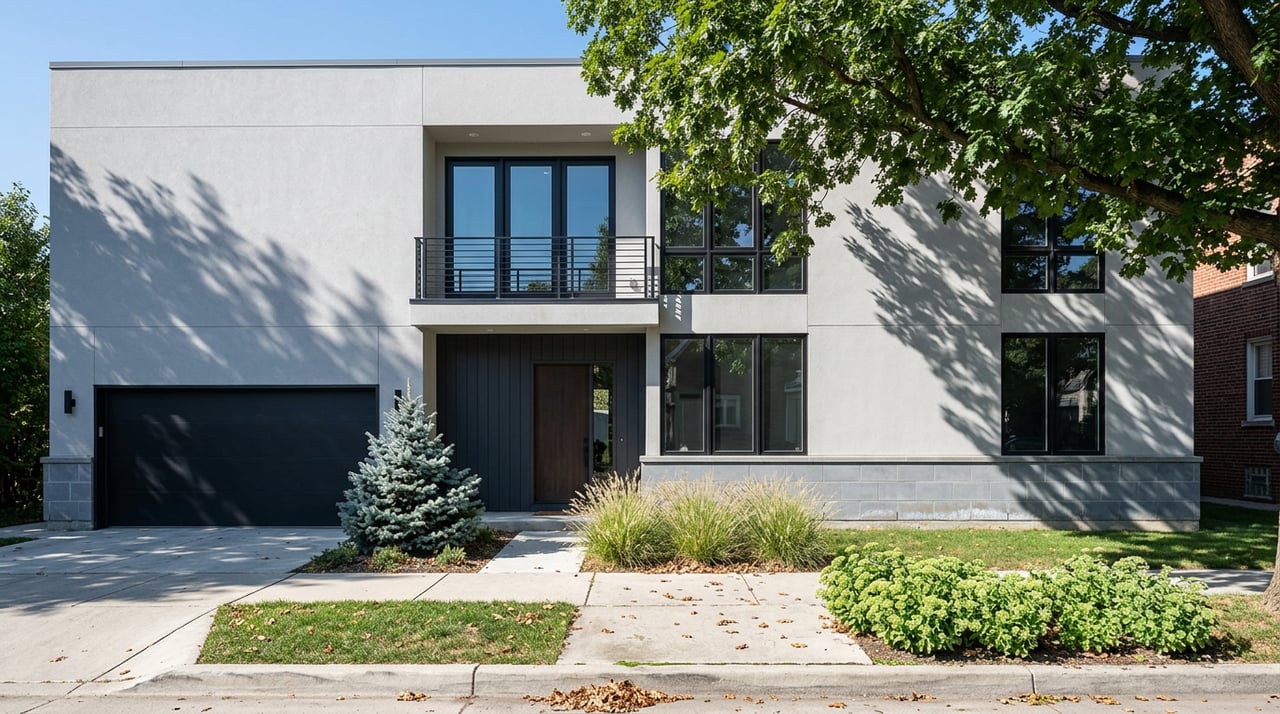
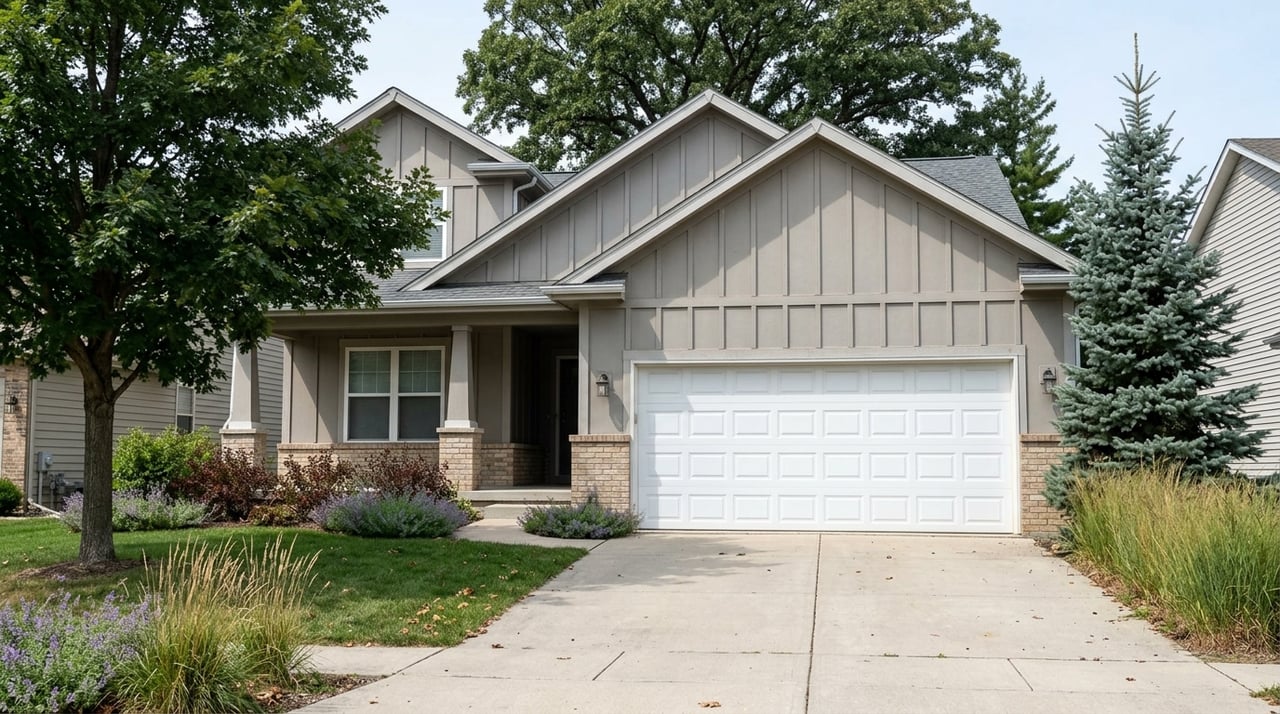
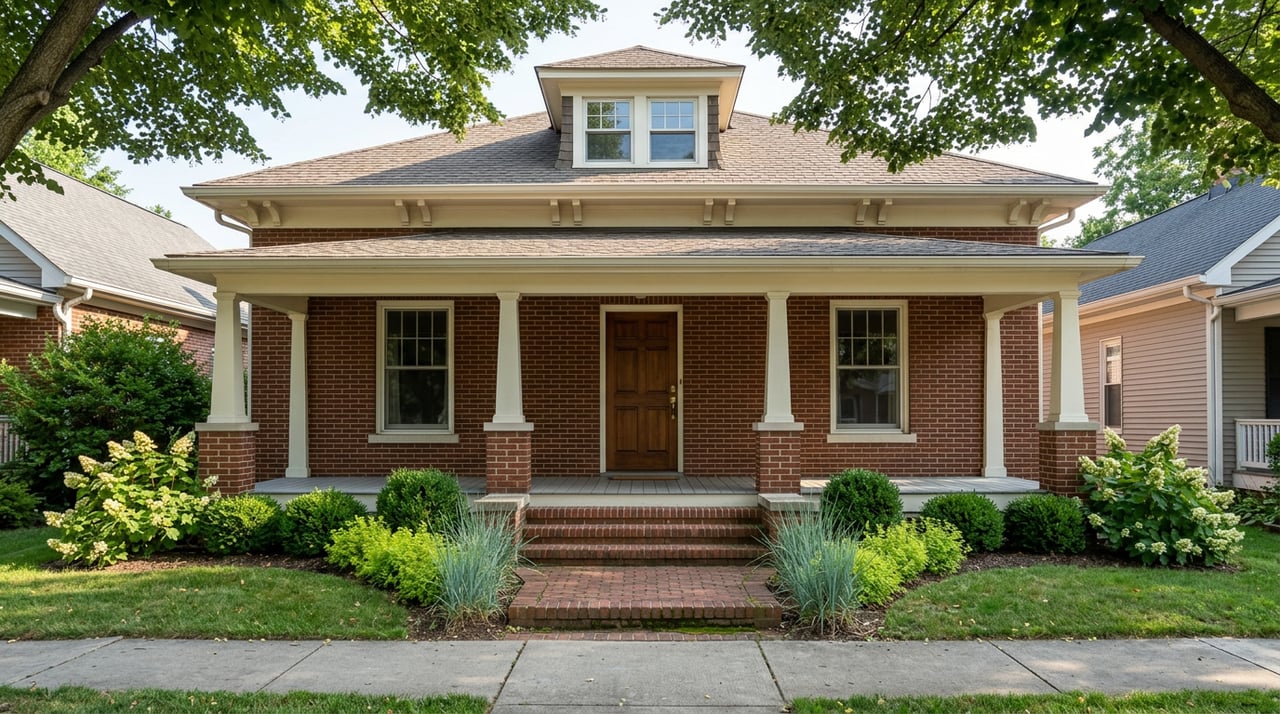
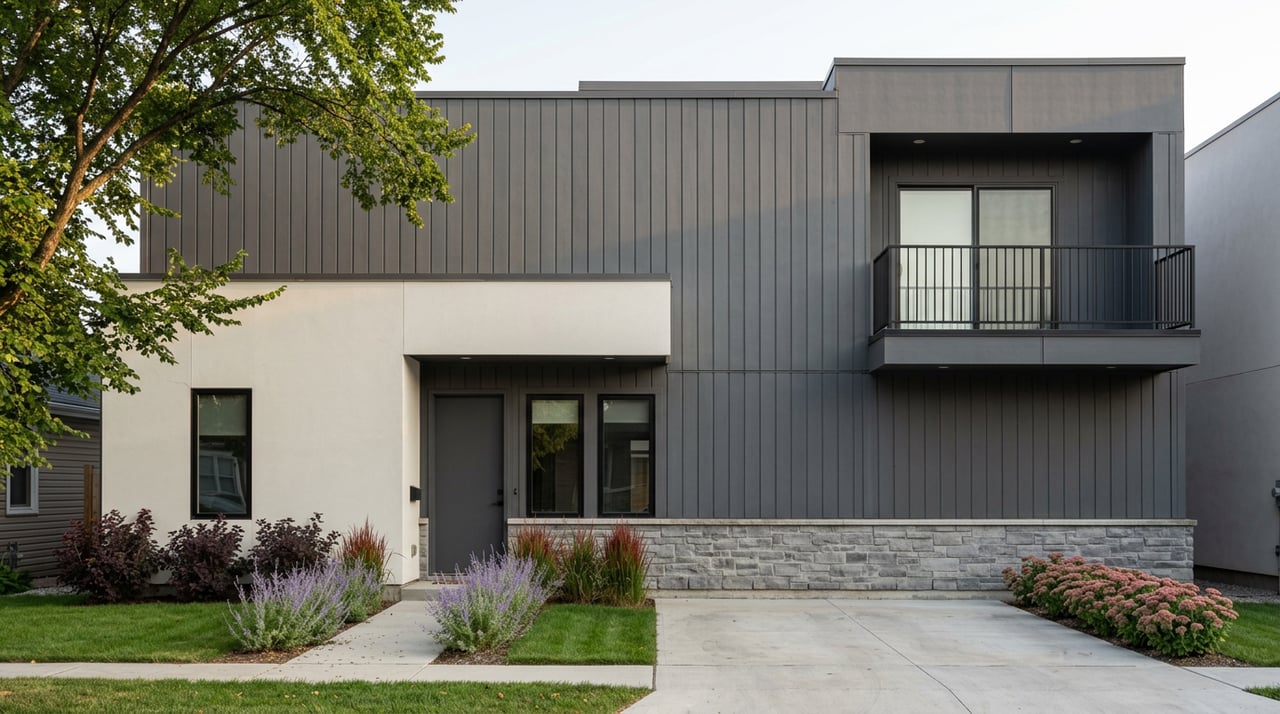
Cherry Creek is a centrally located Denver neighborhood with a unique mix of luxury retail, galleries, and dining next to tree-lined residential streets. Homes range from older bungalows to modern infill builds, plus midrise and high-rise condos and townhomes. This combination attracts lifestyle-focused buyers who value walkability and convenience.
Because the geography is small and the housing types are distinct, supply and demand often diverge from broader Denver trends. Proximity to downtown and premium amenities supports steady activity year-round. The result is a neighborhood that can hold value and sometimes decouple from metro-wide patterns, especially in higher price tiers.
Price bands explained
Cherry Creek pricing sorts into three broad segments. The exact numbers shift with the market, but the structure stays similar. Before you act, plan to verify current medians and inventory counts for each tier.
Entry attached: condos and townhomes
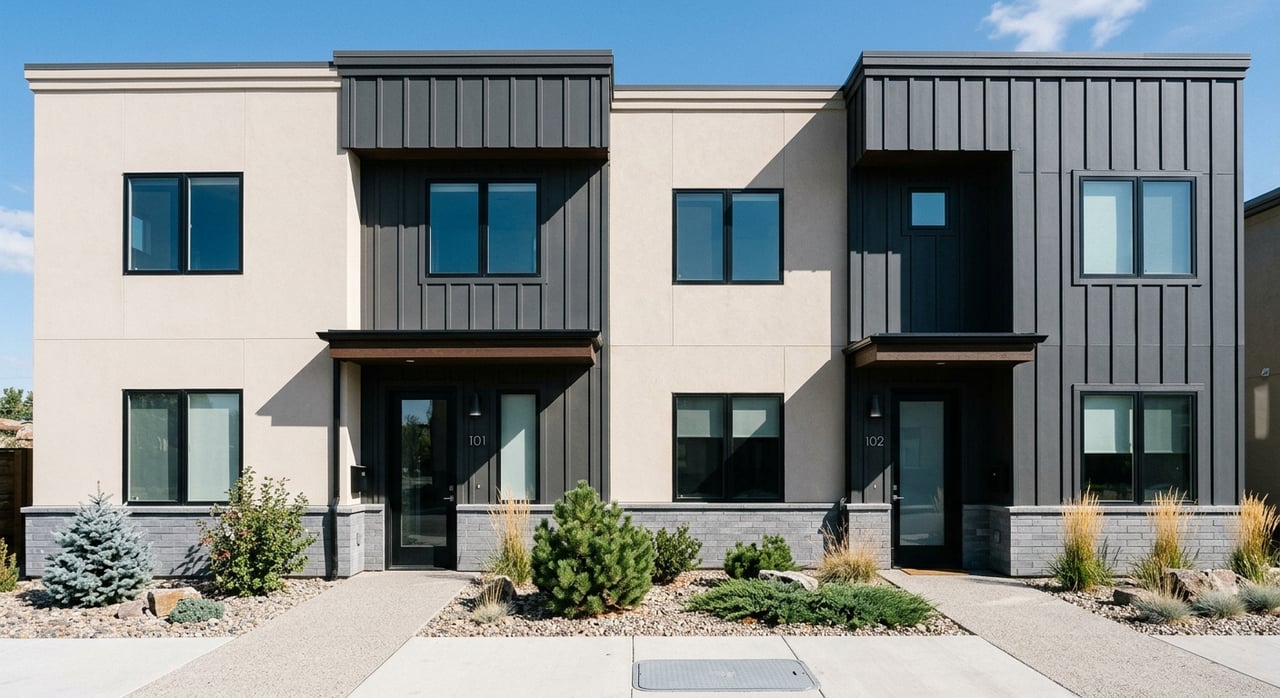
- Product: studio to 2-bedroom condos, smaller townhomes, and some older converted units.
- Typical buyers: first-time buyers, downsizers, investors, and second-home users.
- Market dynamics: larger supply than single-family, more price sensitivity, and value tied closely to condition, HOA fees, and building amenities.
Mid-market single-family homes
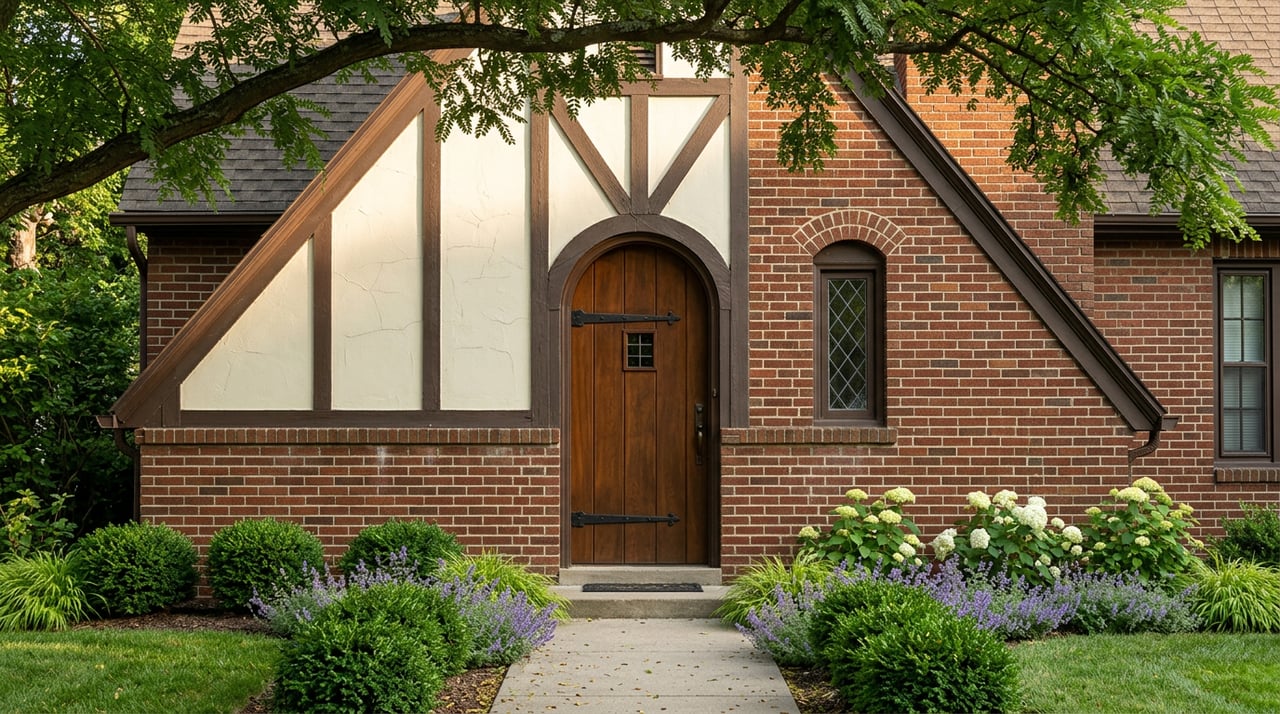
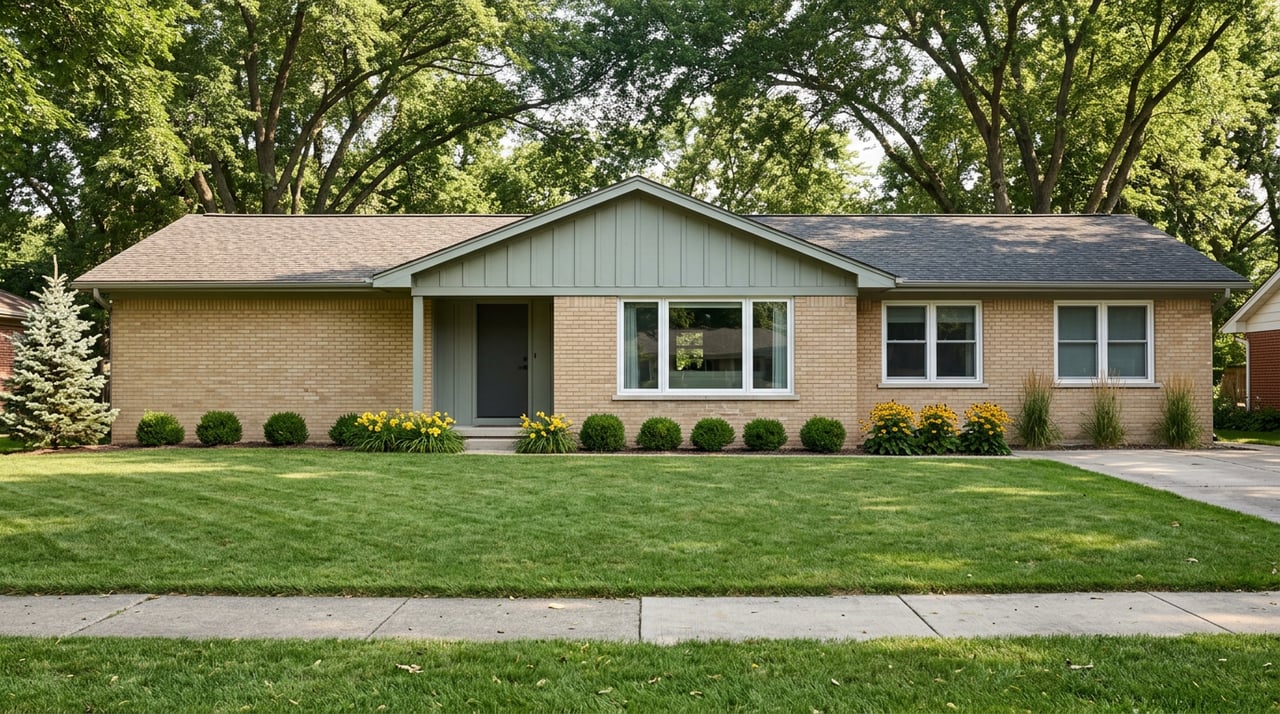
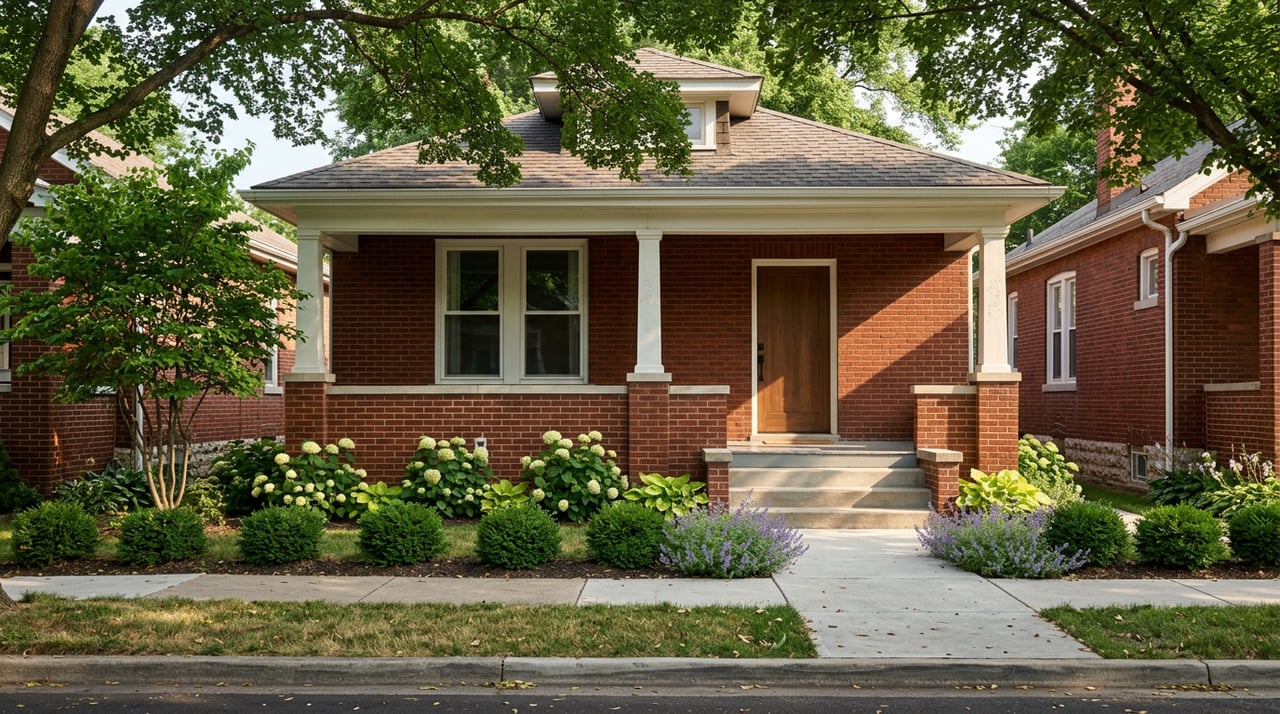
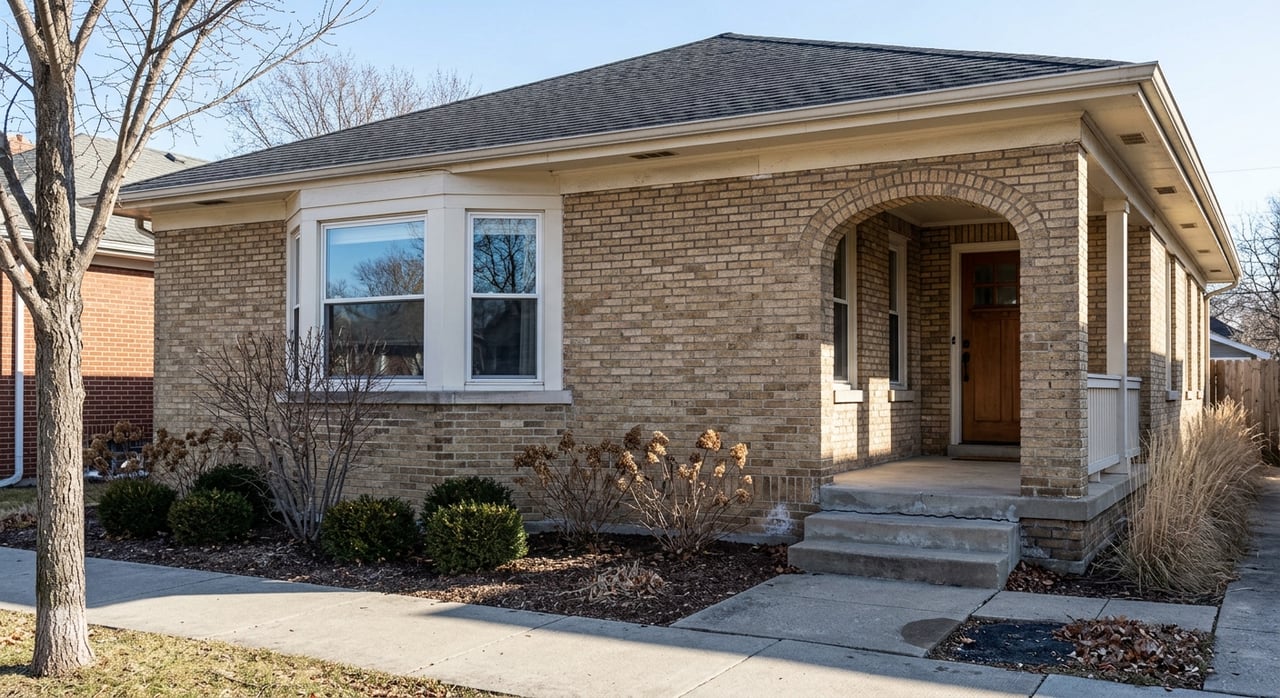
- Product: historic bungalows, brick ranches, and renovated or smaller new infill homes.
- Typical buyers: local professionals and families who want central-city convenience and parks.
- Market dynamics: limited inventory with steady demand, plus premiums for updated kitchens and baths, functional layouts, and off-street parking.
Luxury and upper-tier properties
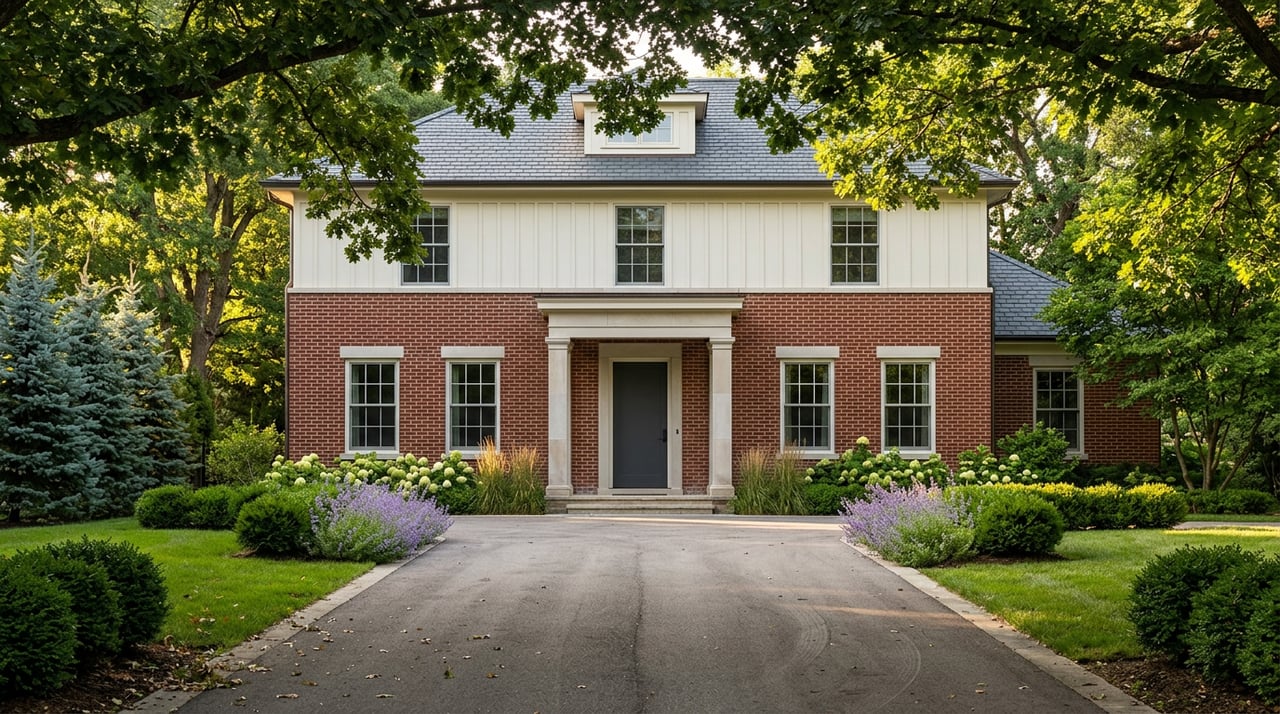
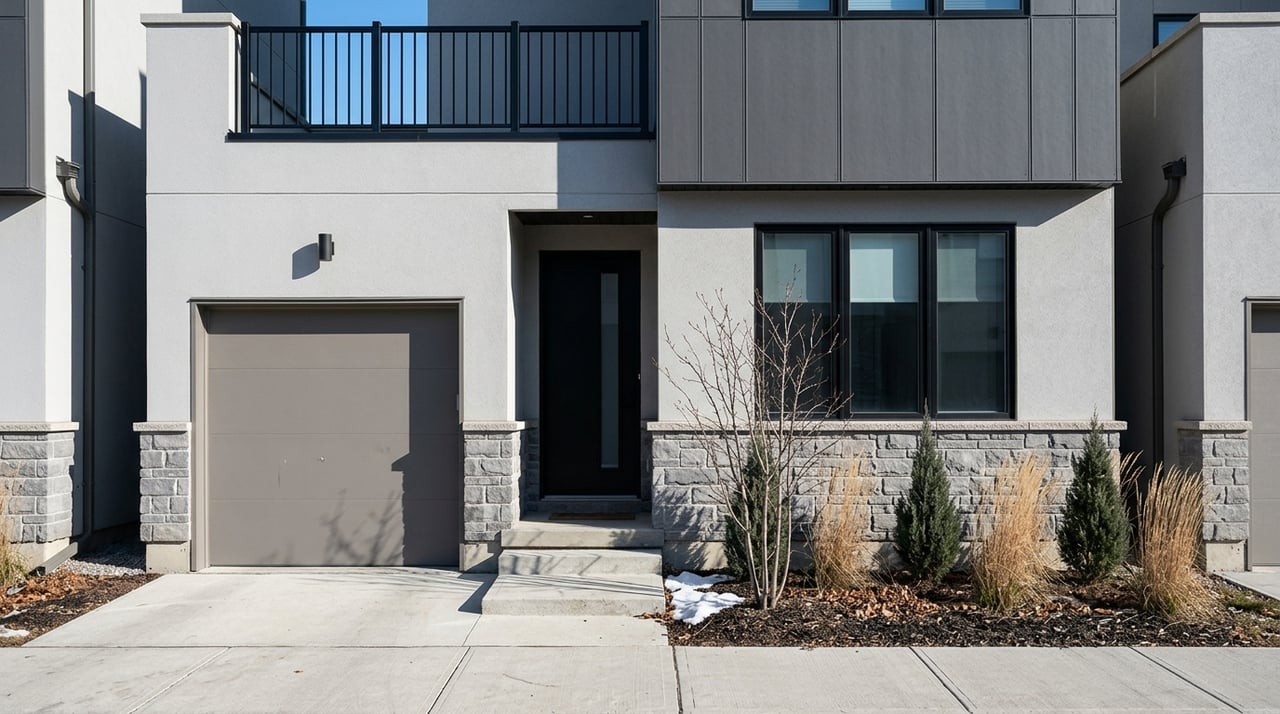
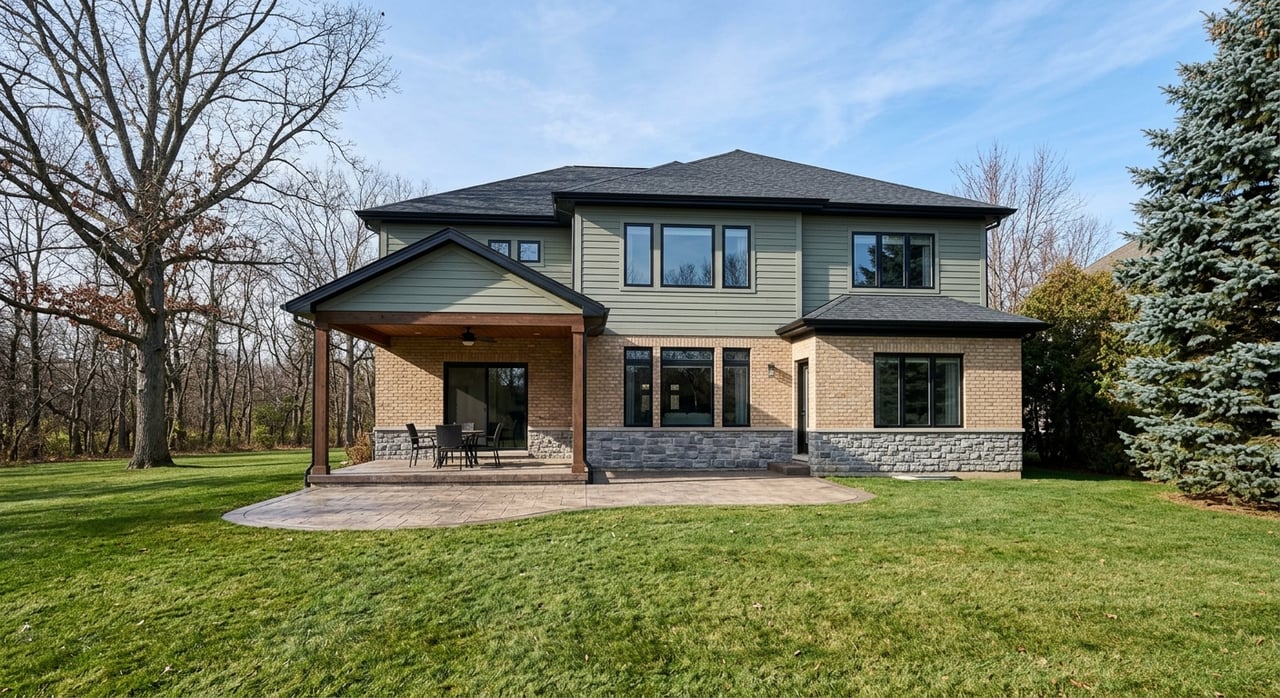
- Product: larger modern infill homes, multi-million-dollar estates, and high-rise luxury condos with concierge-level amenities.
- Typical buyers: high-income locals and out-of-area movers looking for a lifestyle address.
- Market dynamics: longer marketing periods, more selective buyers, and a greater focus on design, finish quality, and amenities. Small price differences can matter less than overall appeal and presentation.
Attached vs. single-family: how demand differs
Supply and turnover
Attached units usually make up a larger share of active inventory and have higher turnover. They attract buyers who prioritize walkability, lock-and-leave convenience, and amenities. Single-family homes are scarce inside the core, so they command premiums for land, outdoor space, and privacy.
Price per square foot and value
Condos often show a higher price per square foot because they are smaller and amenity-rich, while single-family homes usually carry higher overall sale prices. Appreciation can be product-specific. Well-located condos in desirable buildings can match single-family performance in some cycles, especially when mortgage rates push buyers toward lower price points.
Friction points to watch in Cherry Creek
- HOAs and reserves: Review financials, reserve studies, special assessments, and rules. These items affect monthly cost and resale appeal.
- Historic and neighborhood guidelines: Older homes may be subject to rules that guide exterior changes and renovations. Understand these before you plan improvements.
- Parking and garages: Secure parking is a priority in a dense, retail-rich neighborhood. Dedicated spaces or a garage can drive significant pricing and buyer interest.
Seasonality and inventory patterns
What each season means for you
- Spring: The broadest buyer pool and the most new listings. This is often a strong time to list or to find more options as a buyer.
- Summer: Momentum continues with active showings. Buyers see more choices, but well-priced homes still draw competition.
- Fall: Activity eases. Motivated buyers and value opportunities appear, especially for listings that missed spring pricing.
- Winter and holidays: The quietest period for new listings and showings. Sellers face less competition if pricing is sharp. Buyers may find room to negotiate.
Cherry Creek demand tends to be steadier than many suburban areas. Amenity-driven interest softens seasonal swings, which helps the neighborhood hold attention even during slower months.
Months of inventory: how to read it
- Low months of inventory signals a seller’s market with faster sales and stronger pricing.
- Higher months of inventory gives buyers more leverage and time.
- Track by price band and property type. The luxury tier commonly carries more months of inventory even when entry-level condos are tight.
Days on market and negotiation
What sells fastest in Cherry Creek
Lower to mid-priced condos with good condition and presentation, as well as well-priced, move-in-ready single-family homes, tend to go under contract sooner. Timing and price strategy matter as much as neighborhood appeal.
Seller moves that cut time to contract
- Price to recent Cherry Creek comps and current price-per-square-foot ranges.
- Use professional photography, floor plans, and staging. High expectations are the norm here.
- For condos, prepare HOA documents early so buyers can review quickly and write stronger offers.
Buyer strategies that work
- In tight segments: get fully underwritten approval, shorten inspection timelines where appropriate, and consider escalation or clean terms to stand out.
- In higher-inventory or luxury segments: move thoughtfully, keep inspection and appraisal contingencies, and negotiate on concessions or timing.
What data to check before you act
Cherry Creek moves fast, so refresh the numbers before any major decision. Aim for a 30- to 90-day window for most metrics, and a 12-month view for seasonality.
- Active listings by type: condo, townhome, and single-family counts.
- Median sale and list prices for 30, 90, and 365 days.
- Price distribution: the 25th, 50th, and 75th percentiles to define entry, mid, and luxury bands.
- Months of inventory overall and by product type.
- Median days on market for the past 3 and 12 months, split by condos and single-family.
- Median price per square foot and trend direction.
- Sale-to-list price ratio to gauge negotiation room.
- New listings versus closed sales per month to track market velocity.
- HOA fee ranges for condos and the share of listings under HOA governance.
Interpretation tips:
- Less than three months of inventory suggests a seller’s market; three to six points to balance; more than six favors buyers.
- Rising days on market plus larger sale-to-list discounts can indicate softening demand.
- If condo and single-family trends diverge, tailor your strategy to your product type and price band.
How to prep for a Cherry Creek sale
Selling well here means aligning price, presentation, and timing with the neighborhood’s expectations.
- Clarify your price band: Review comps and percentiles so your list price fits how buyers search.
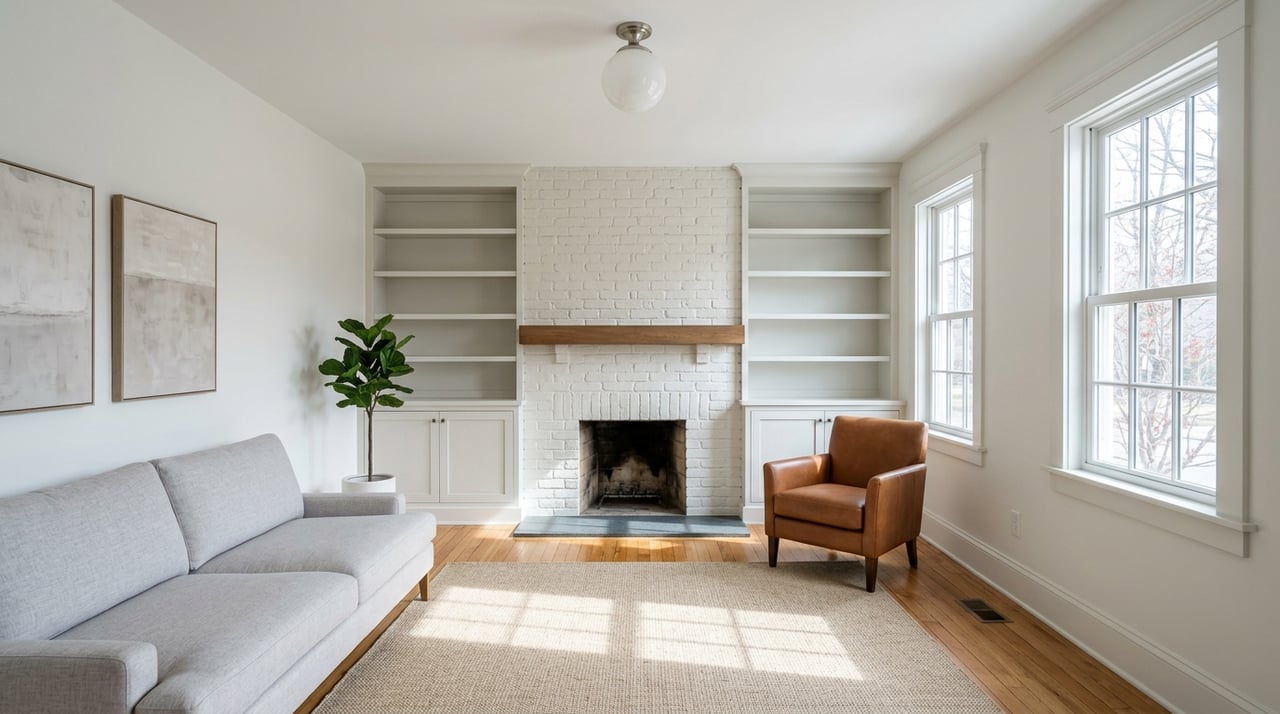
- Tighten presentation: Stage key rooms, complete minor repairs, and invest in professional photos and a floor plan.
- Highlight the right features: Walkability, parking or garage space, outdoor areas, and recent upgrades drive attention.
- Prepare documents: Pull HOA disclosures, reserve studies, and rules early if applicable.
- Choose timing wisely: Spring and early summer often expand your buyer pool, but well-priced listings can stand out in winter.
- Plan premium marketing for luxury: Targeted outreach, video, and concierge-style showings help high-end properties stand apart.
How to shop smart as a Cherry Creek buyer
Buying in a competitive micro-market calls for clarity and speed without losing diligence.
- Get financing locked: Secure full pre-approval and know your payment comfort, including HOA fees and taxes.
- Define non-negotiables: Parking, outdoor space, building amenities, and renovation tolerance shape your search.
- Compare buildings and blocks: In attached living, amenity sets and HOA health matter as much as finishes.
- Inspect with purpose: Factor in building systems, reserves, and potential assessments for condos.
- Act decisively on good fits: Tight segments reward strong early offers and clean terms.
Work with a local expert
The right plan in Cherry Creek blends data, local nuance, and premium marketing. With 17-plus years serving central Denver, white-glove service, and the reach of Coldwell Banker Global Luxury, you get a smooth, strategy-led process from search to closing. If you are weighing your next move, let’s build a plan around your price band and timing, then execute it with confidence. Connect with Chriss Bond to get started.
FAQs
How competitive is Cherry Creek right now for entry-level condos?
- Entry-tier condos often see steady demand and faster movement than luxury segments, so prepare financing and act quickly on well-priced listings.
Are Cherry Creek condos a better value than single-family homes?
- Condos can offer lower entry prices and strong walkability, while single-family homes carry higher overall prices but more land and privacy; compare total monthly cost, HOA fees, and long-term goals.
When is the best time to list a home in Cherry Creek?
- Spring and early summer provide the largest buyer pool, though well-priced and well-presented listings can succeed in any season due to steady neighborhood demand.
How do HOA fees affect condo buying in Cherry Creek?
- HOA fees impact monthly affordability and resale value, so review financials, reserves, assessments, and rules before you write an offer.
How long do luxury homes in Cherry Creek take to sell?
- Luxury and niche properties typically have longer days on market and a more selective buyer pool, which calls for tailored pricing and premium marketing.