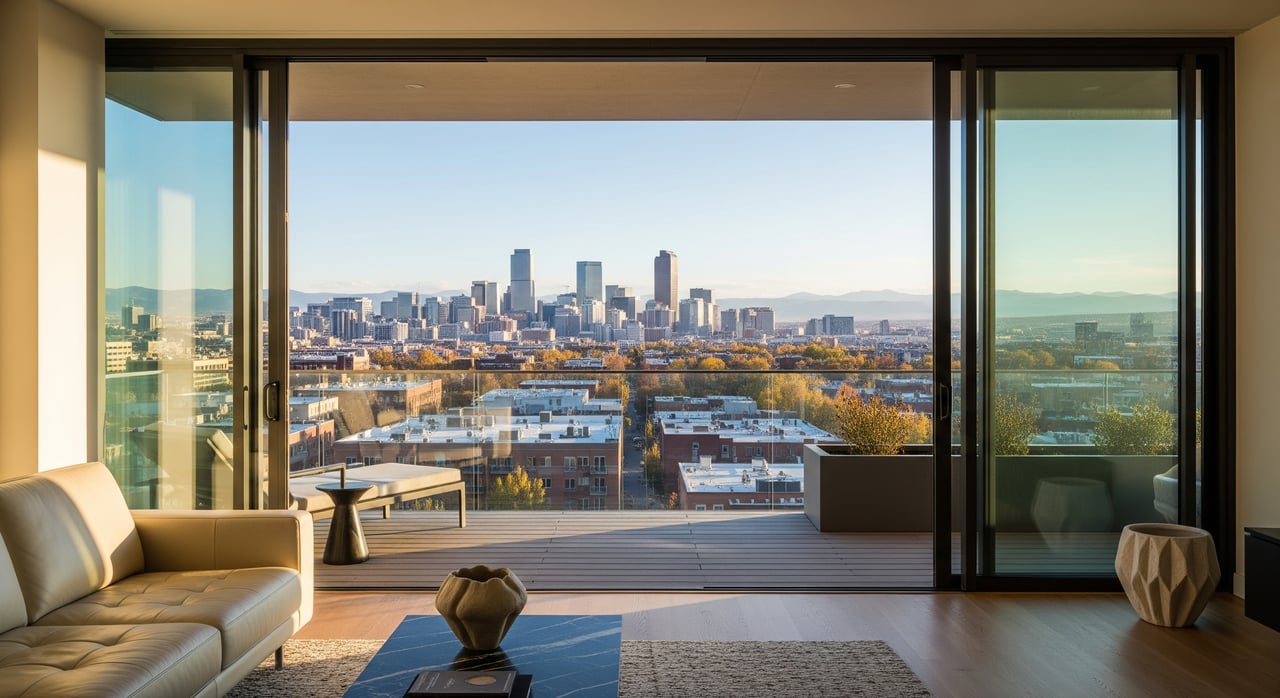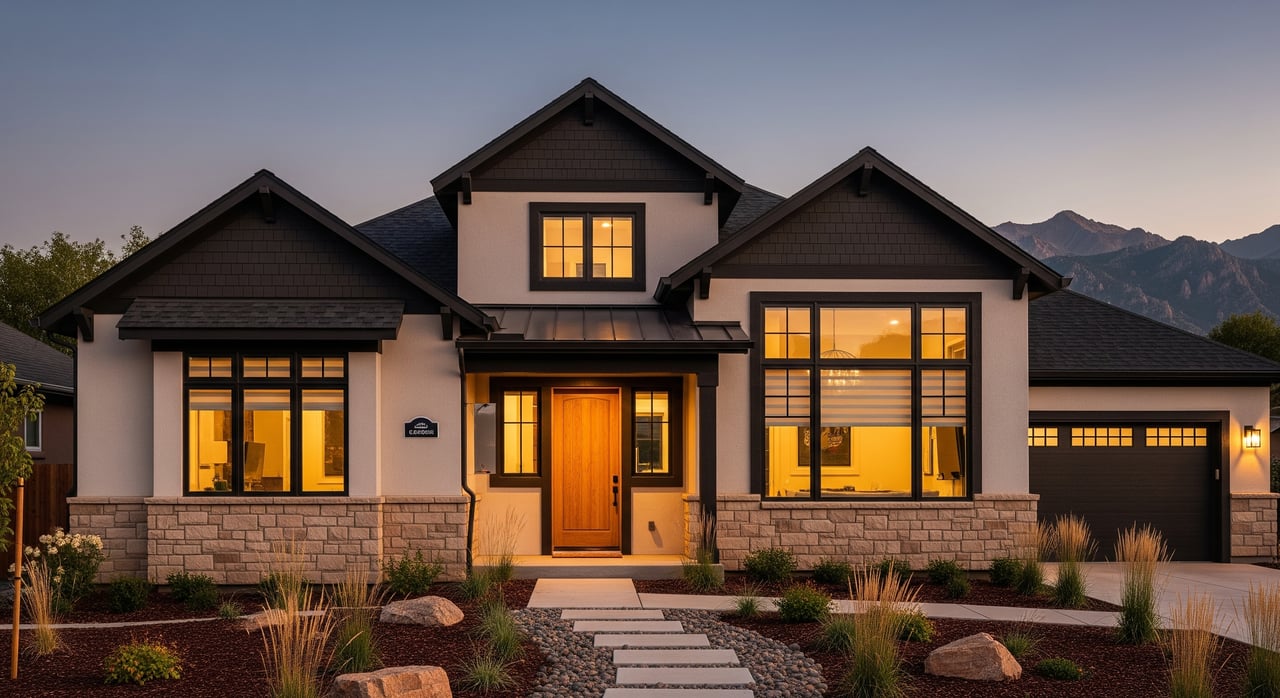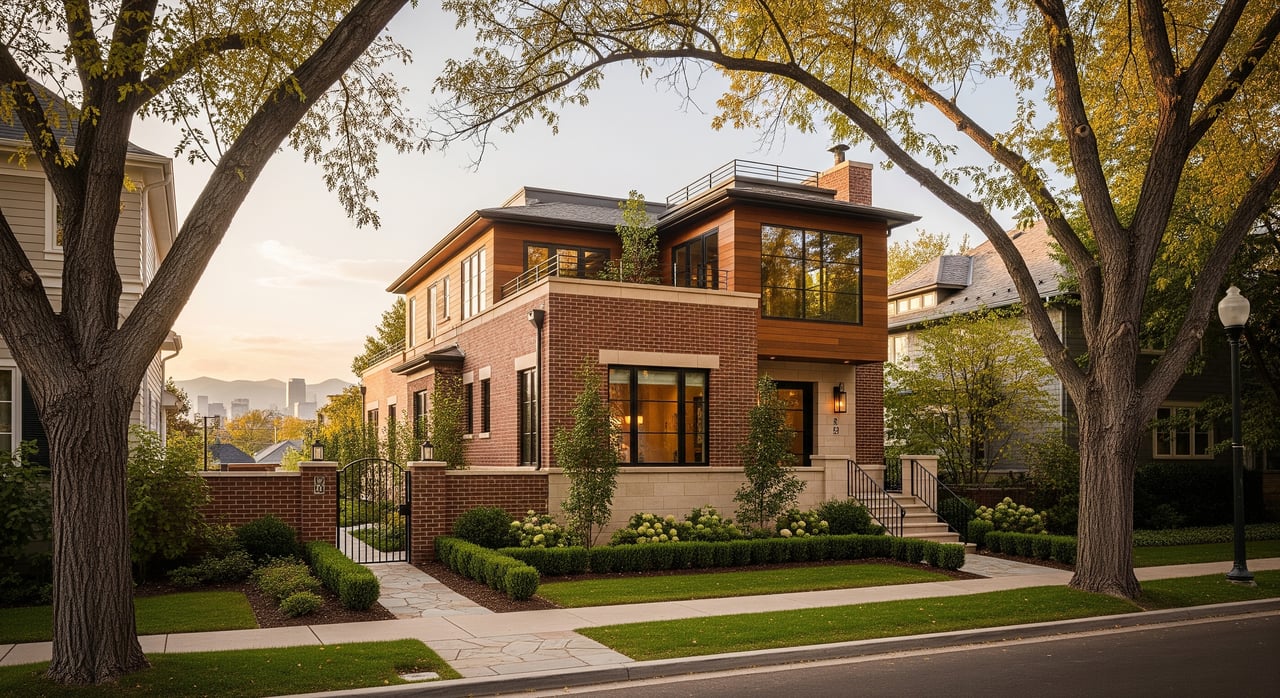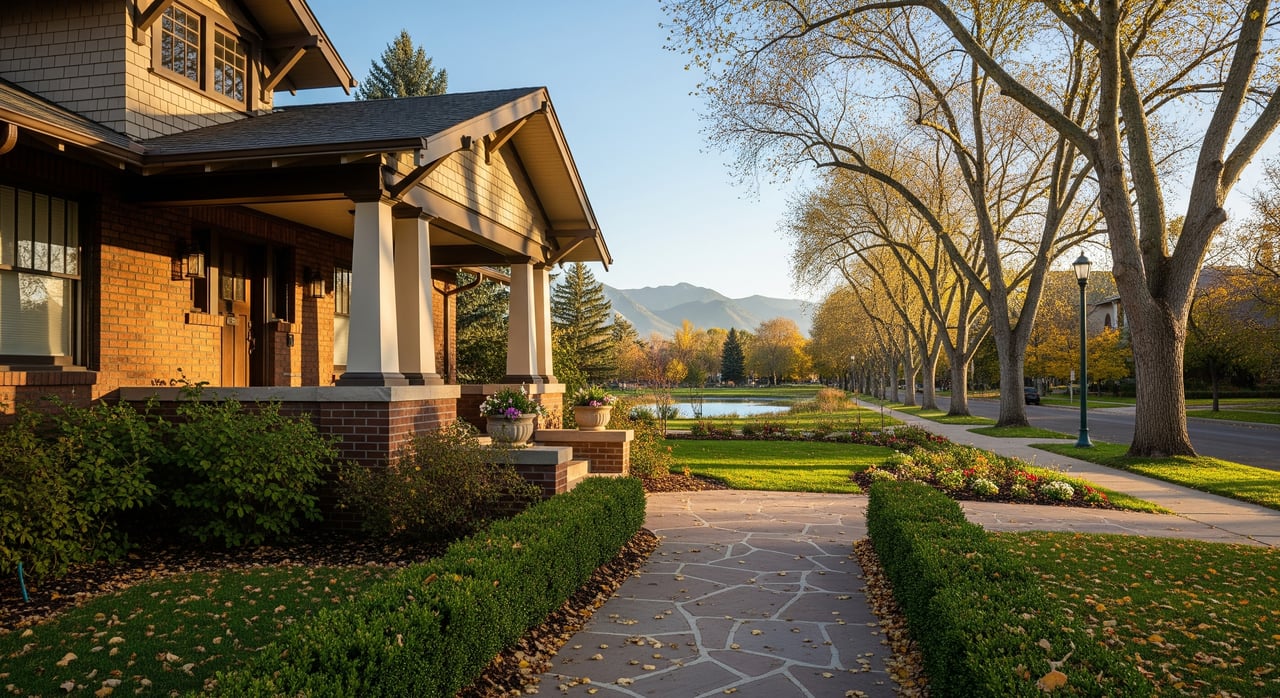
Want suburban breathing room without losing your Denver connections? In Lone Tree, you get quiet streets, newer neighborhoods, and quick access to jobs, shopping, and arts. If you are weighing a move to Denver’s south metro, this guide lays out how life works here, from neighborhoods and home types to commute options and day-to-day conveniences. You will also find tips for comparing areas and getting ready to buy or sell with confidence. Let’s dive in.
Why Lone Tree works
Lone Tree sits in Douglas County on Denver’s southern edge, just south of the Denver Tech Center. The city blends planned neighborhoods, trail networks, and retail hubs, so daily life feels easy and organized. You will see a mix of single-family homes, townhomes, and condos, along with parks and open space tucked between residential pockets.
Connectivity is a core advantage. I‑25 and regional highways link you north and east, while local arterials connect neighborhoods to schools and shopping. RTD light rail serves the area and ties into the broader Denver network. Add in Park Meadows, the Lone Tree Arts Center, and nearby medical services, and you have a suburban setup that covers the essentials.
Key neighborhoods at a glance
RidgeGate
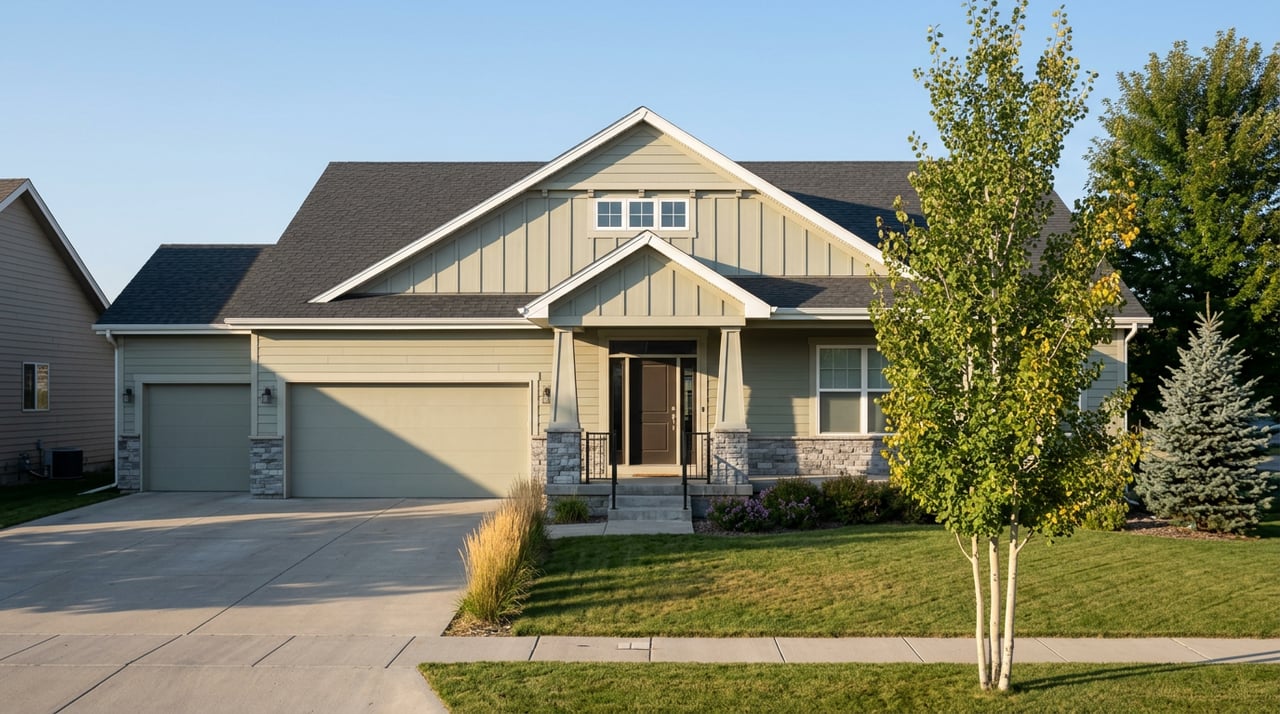
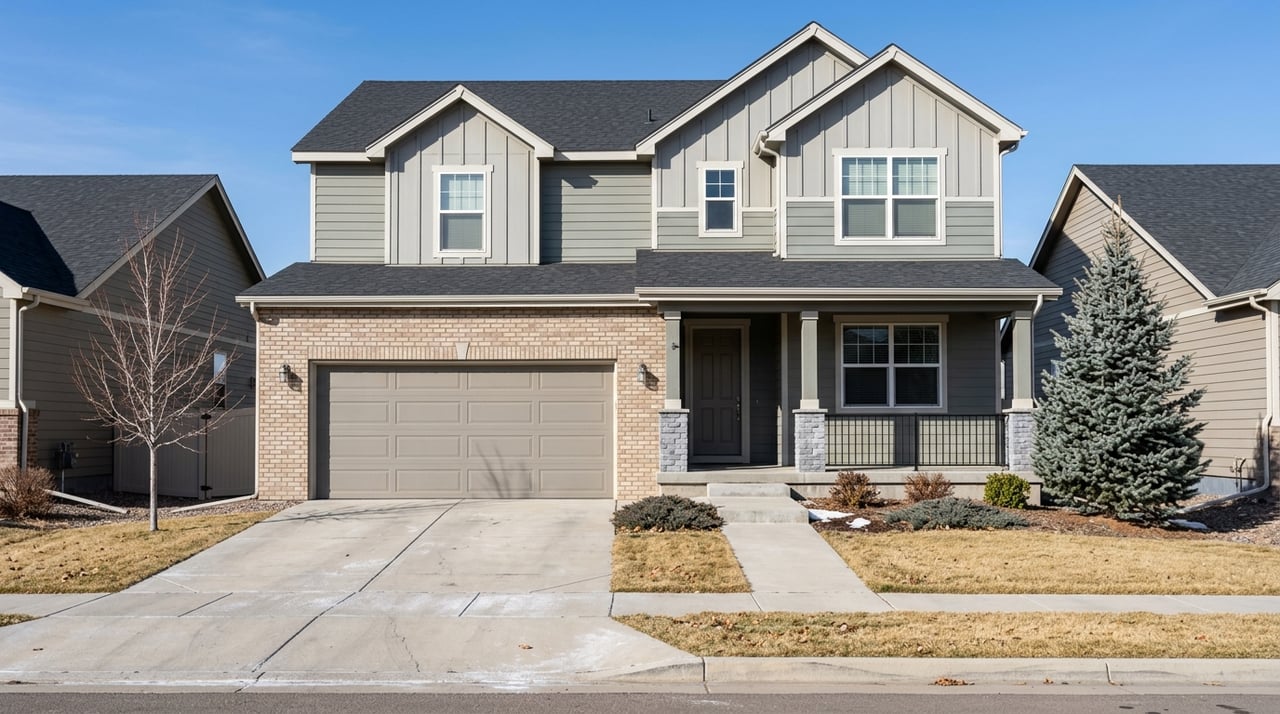
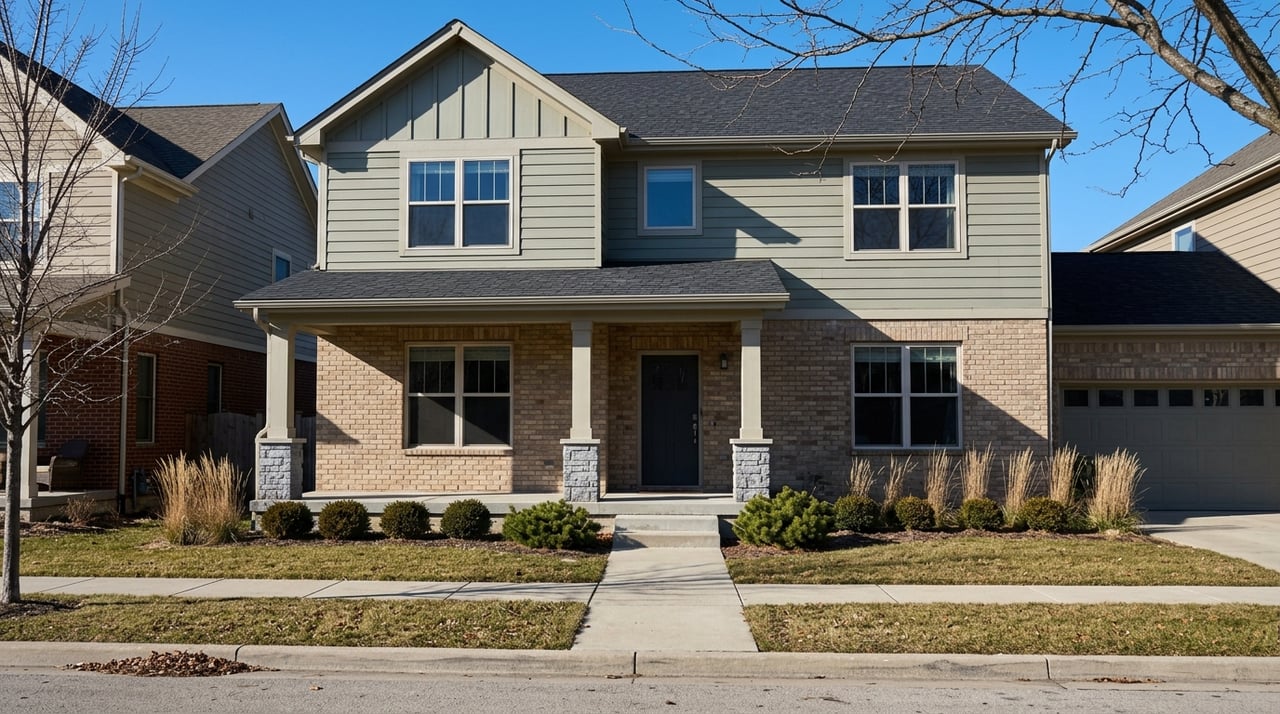
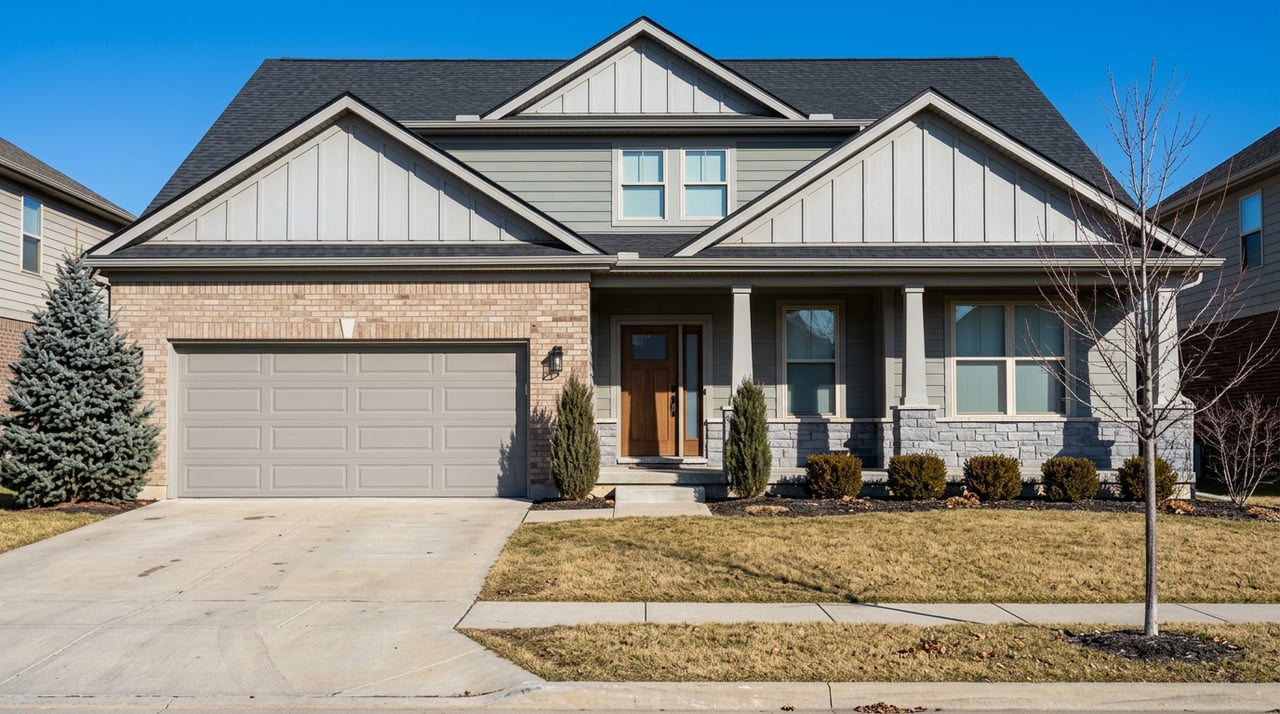
RidgeGate is a major master-planned community known for newer construction, sidewalks, parks, and trail access. You will find single-family homes, townhomes, and condos in distinct builder enclaves. The layout supports an active lifestyle with pocket parks and open-space corridors, and it was designed with transit and future growth in mind. HOA oversight is common, and newer-build features and warranties are typical selling points.
Heritage Hills
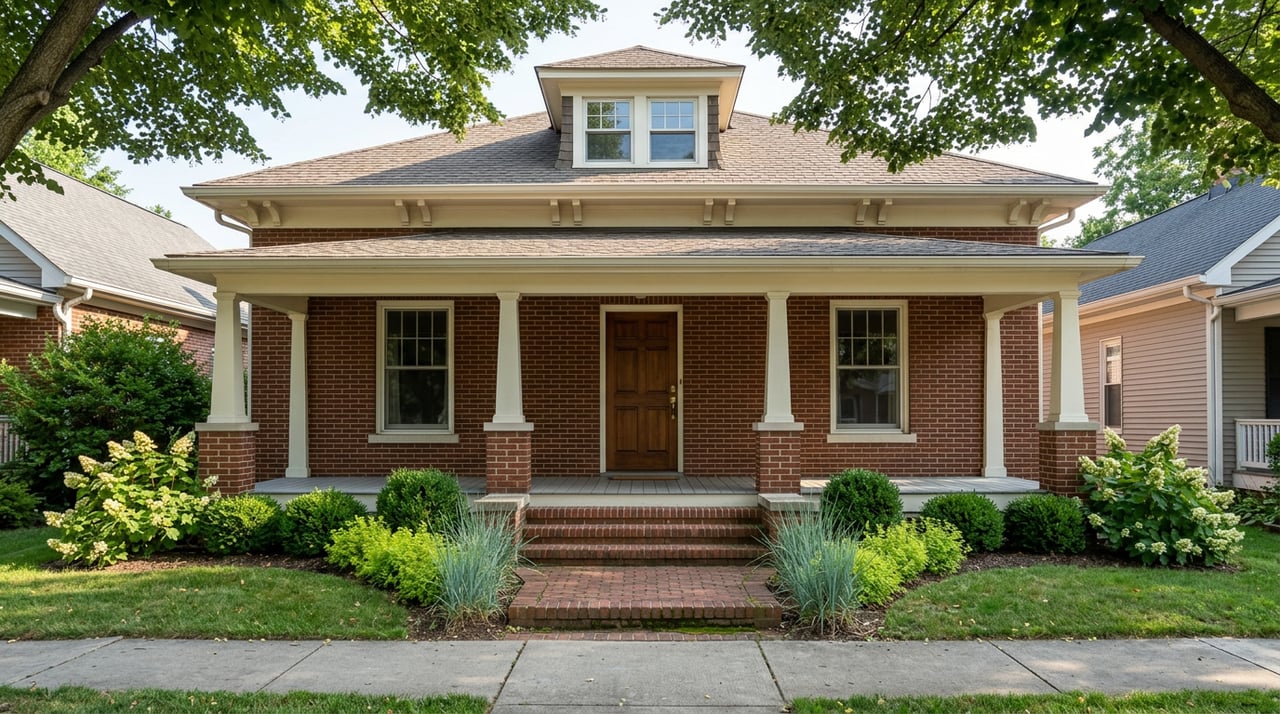
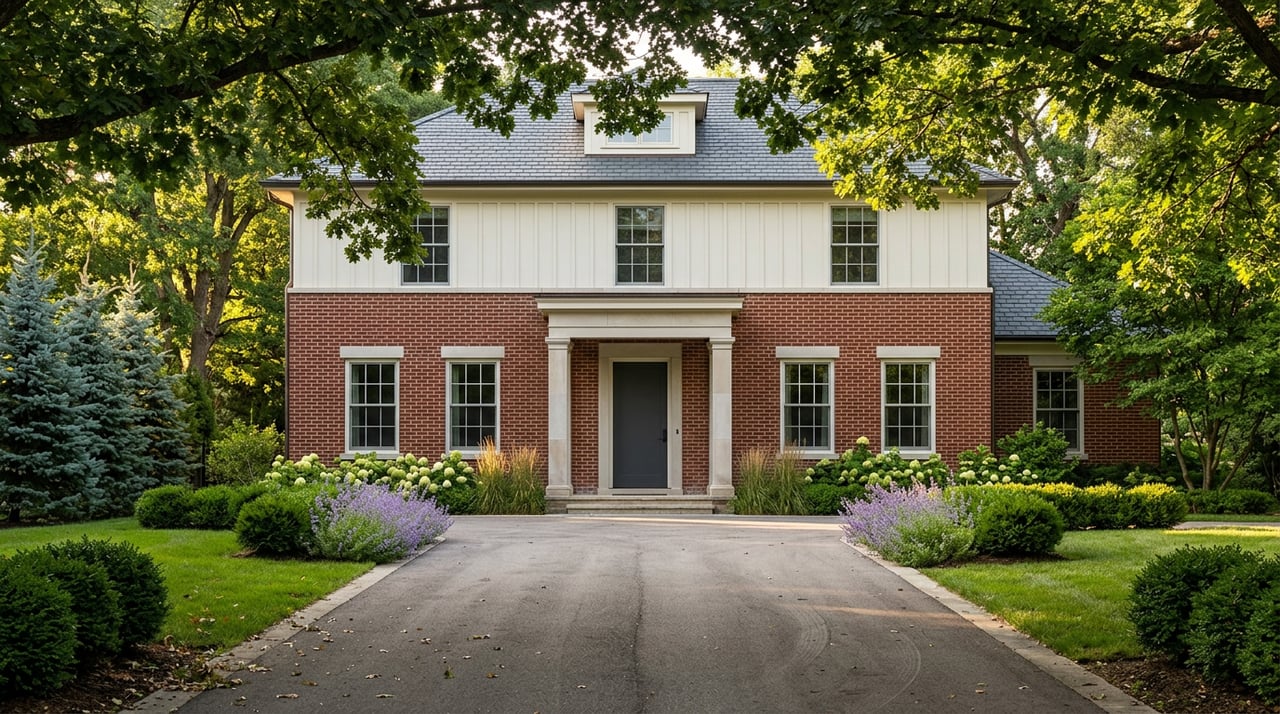
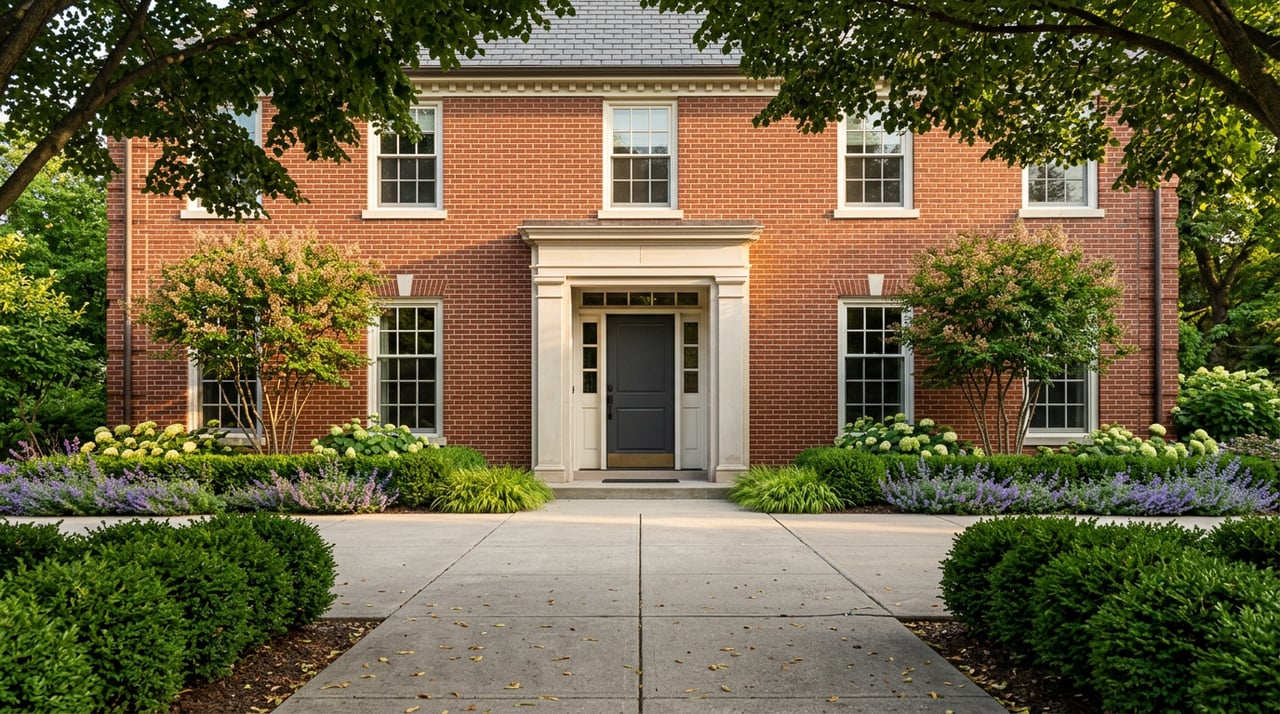
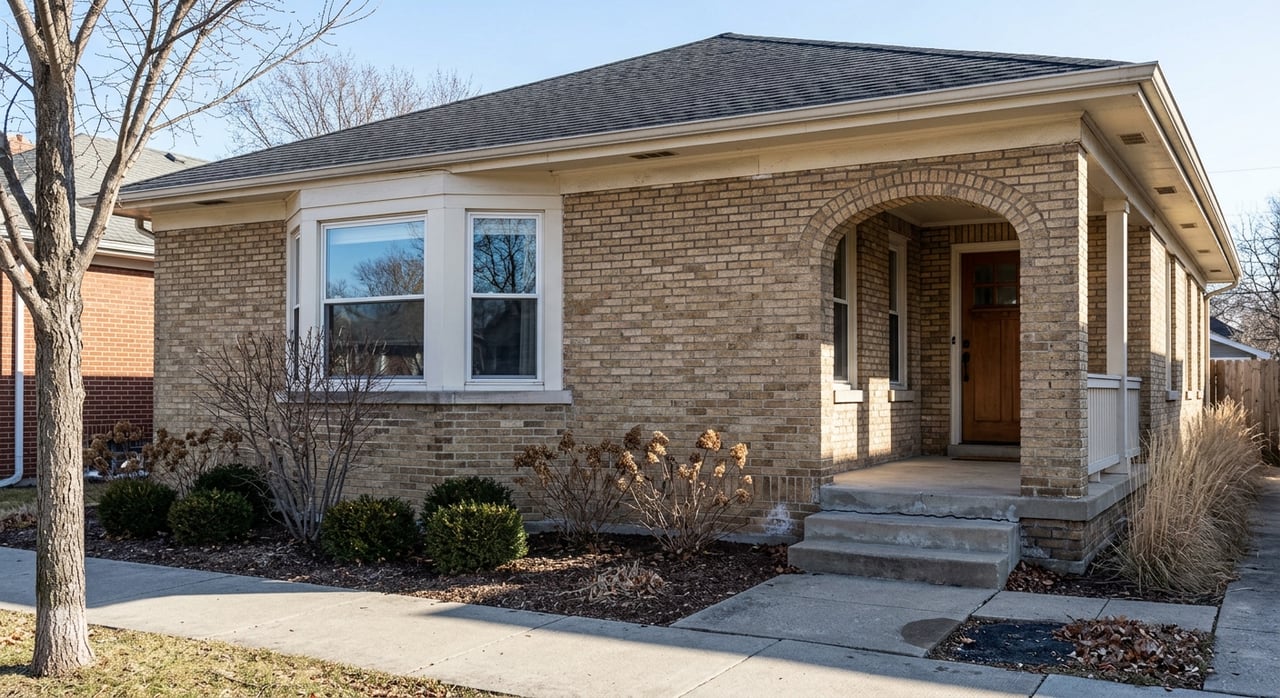
Heritage Hills offers established, higher-end residential streets with larger lots and mature landscaping. Homes here appeal if you value space, traditional curb appeal, and an upscale suburban feel. Price points trend higher than many attached or newer infill options, and some homes enjoy proximity to golf and country-club amenities in the broader south metro.
Park Meadows and City Center
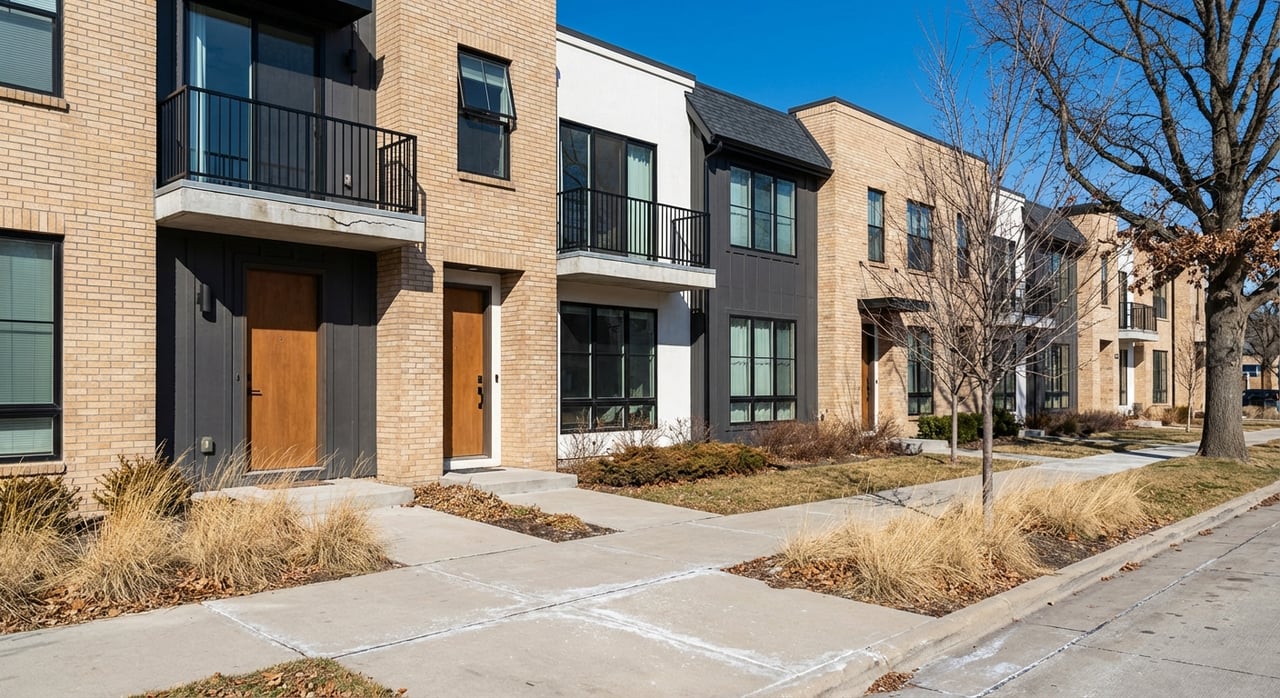
The Park Meadows area is a regional shopping and dining anchor. Around the mall and Lone Tree City Center you will see multifamily housing, townhomes, professional offices, and a dense mix of conveniences. If you want quick errands, dinner out, or a movie within a few minutes of home, this area keeps your daily routine efficient.
Other new pockets
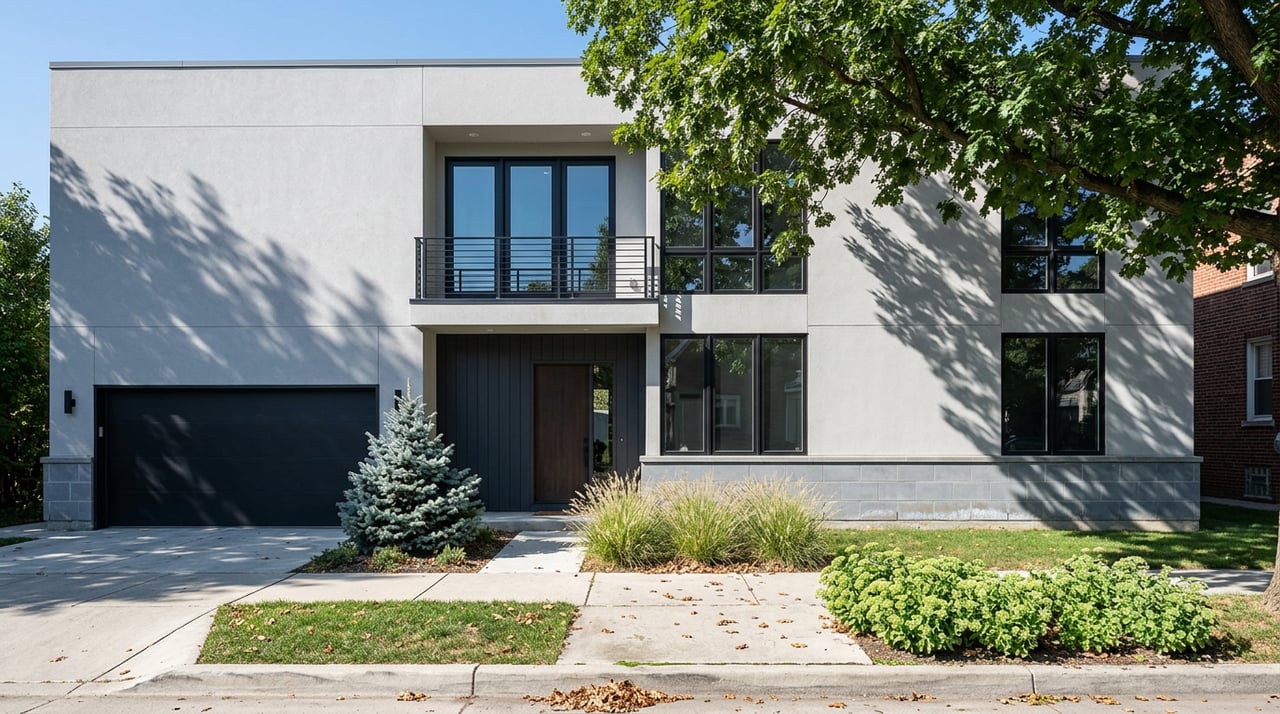
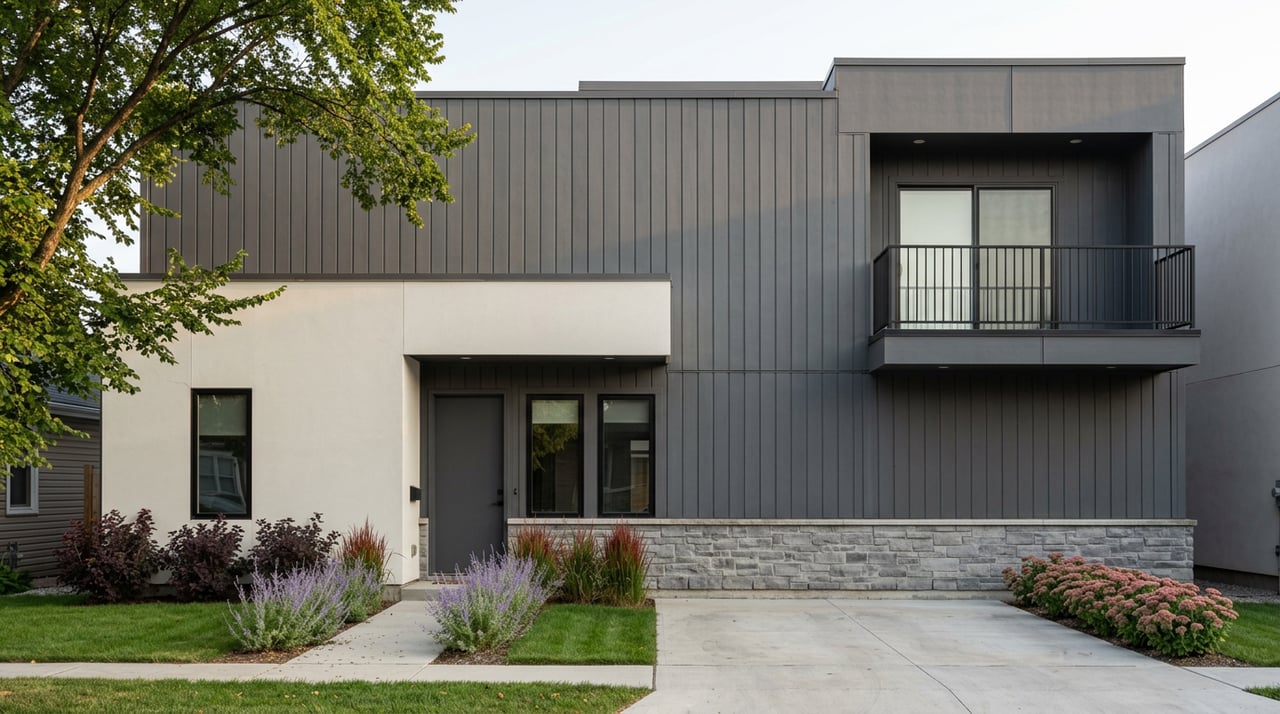
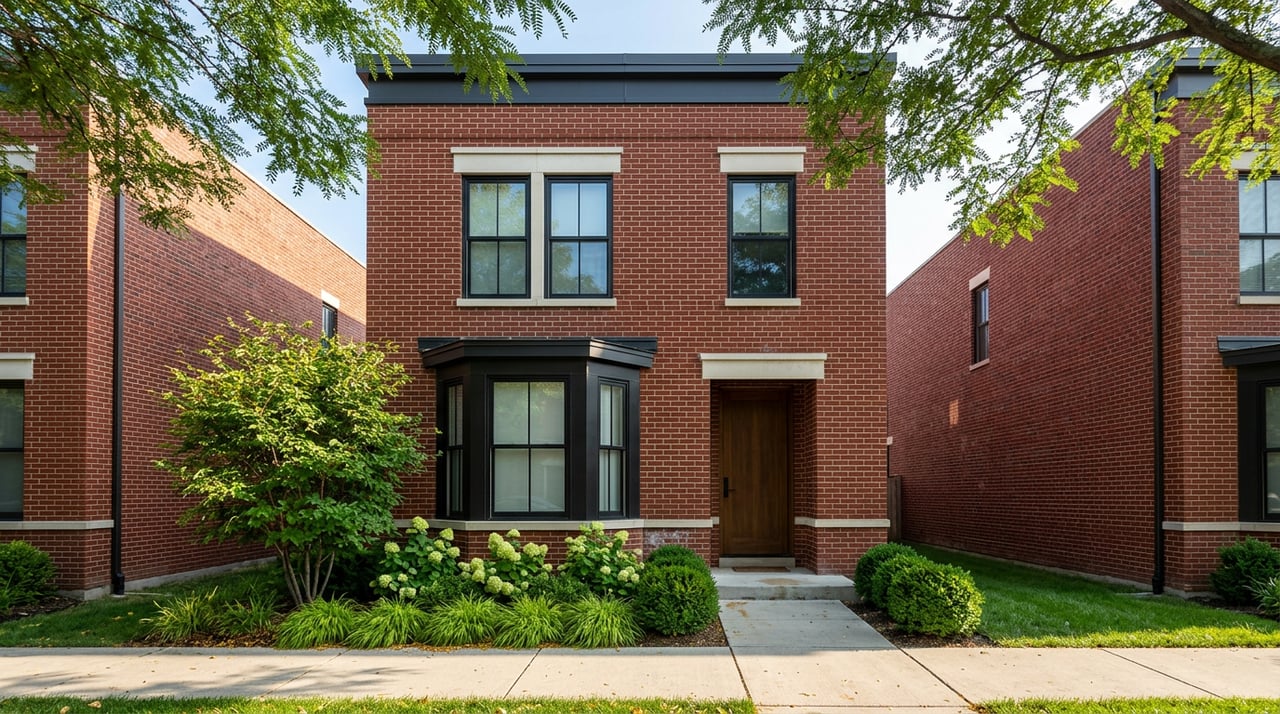
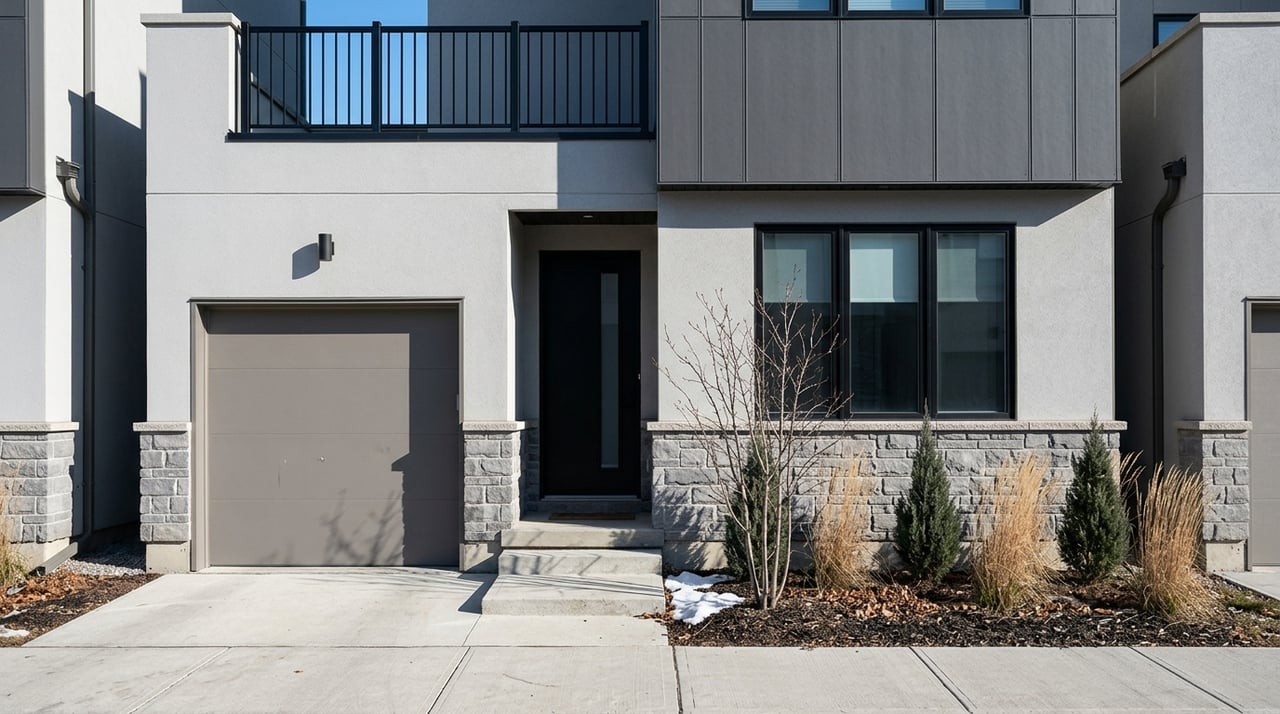
Lone Tree also has infill and new construction near RidgeGate Parkway and along commercial corridors. Product types range from entry-level condos and townhomes to newer single-family homes and luxury properties. This variety lets you prioritize space, finishes, and location trade-offs across a wide spectrum of budgets.
Housing options and pricing
Lone Tree’s housing stock includes:
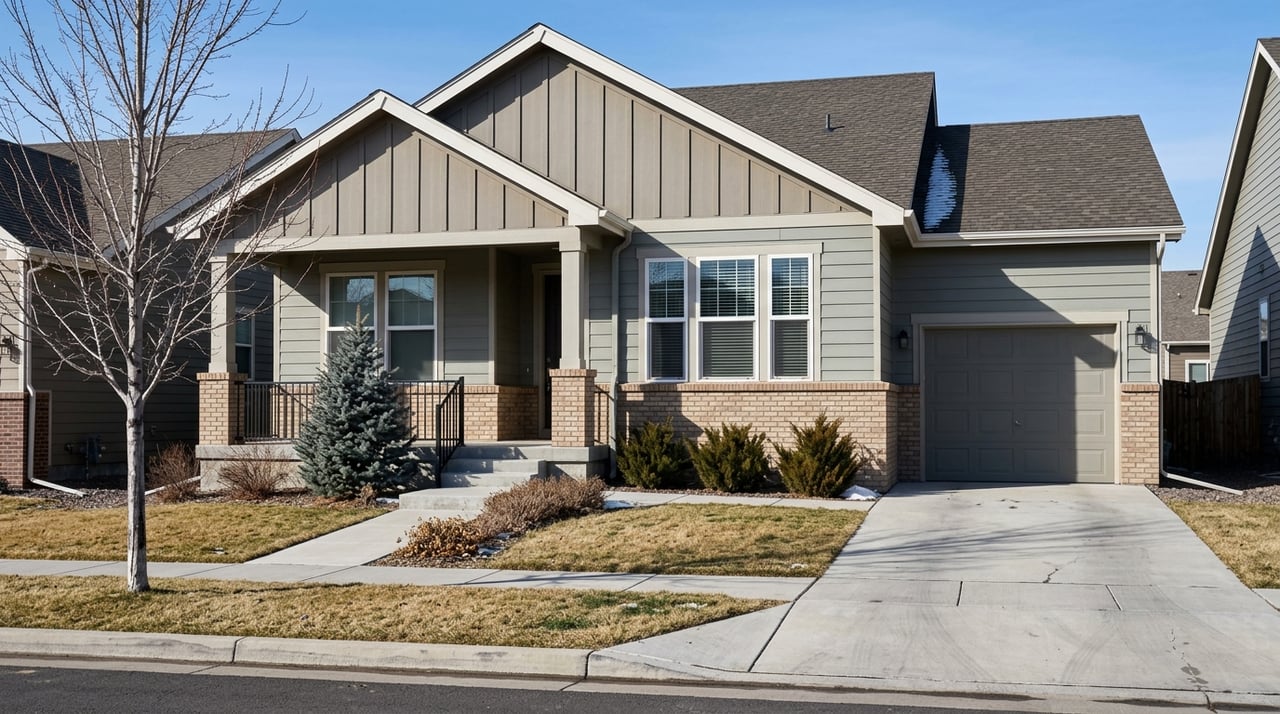
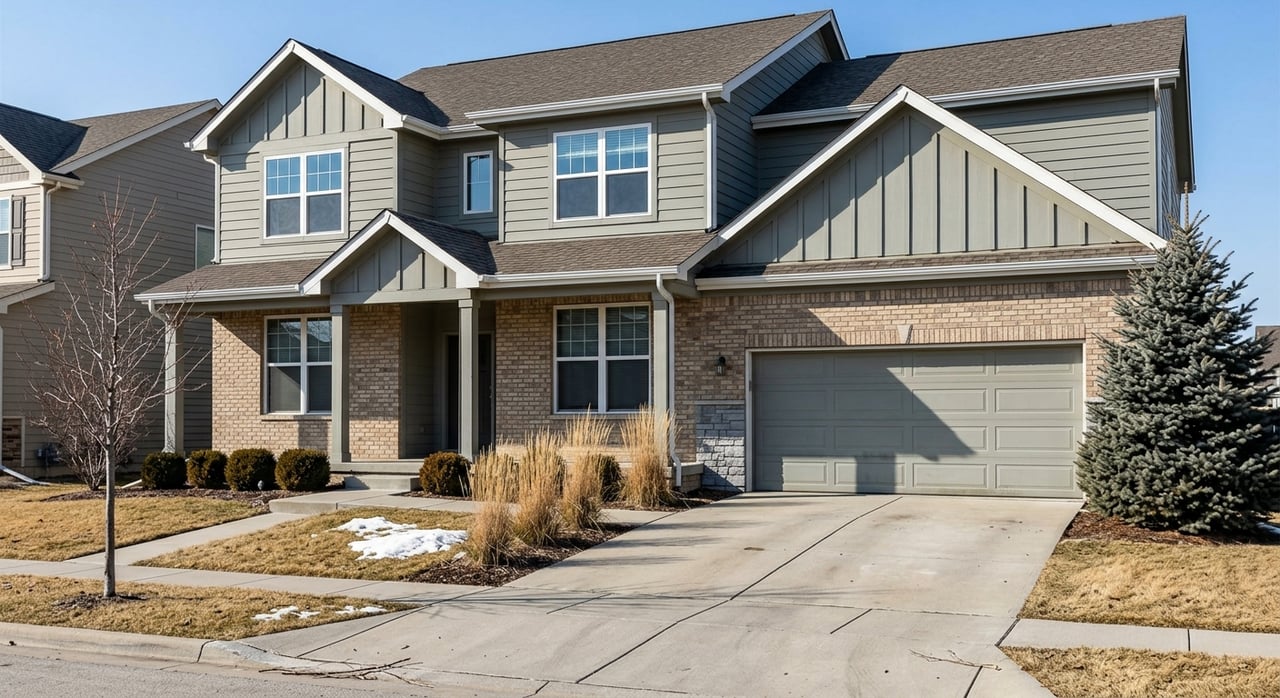
- Single-family detached homes, common in Heritage Hills and many RidgeGate sections.
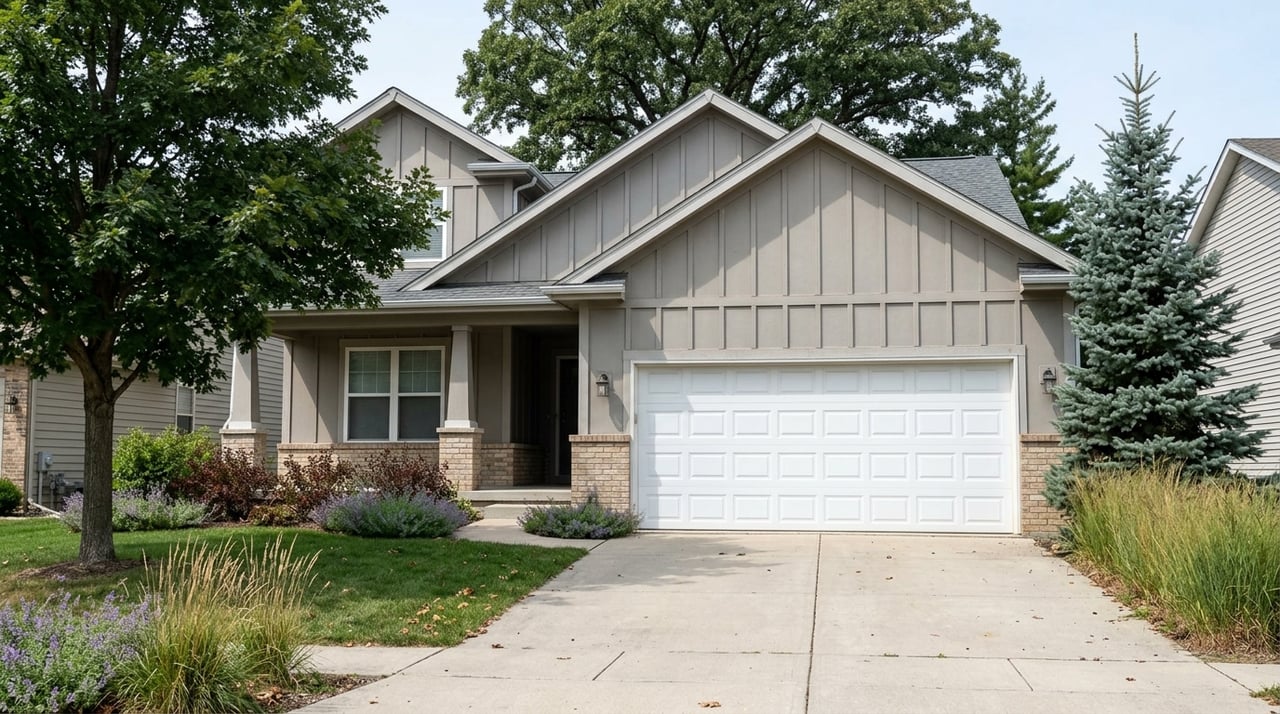
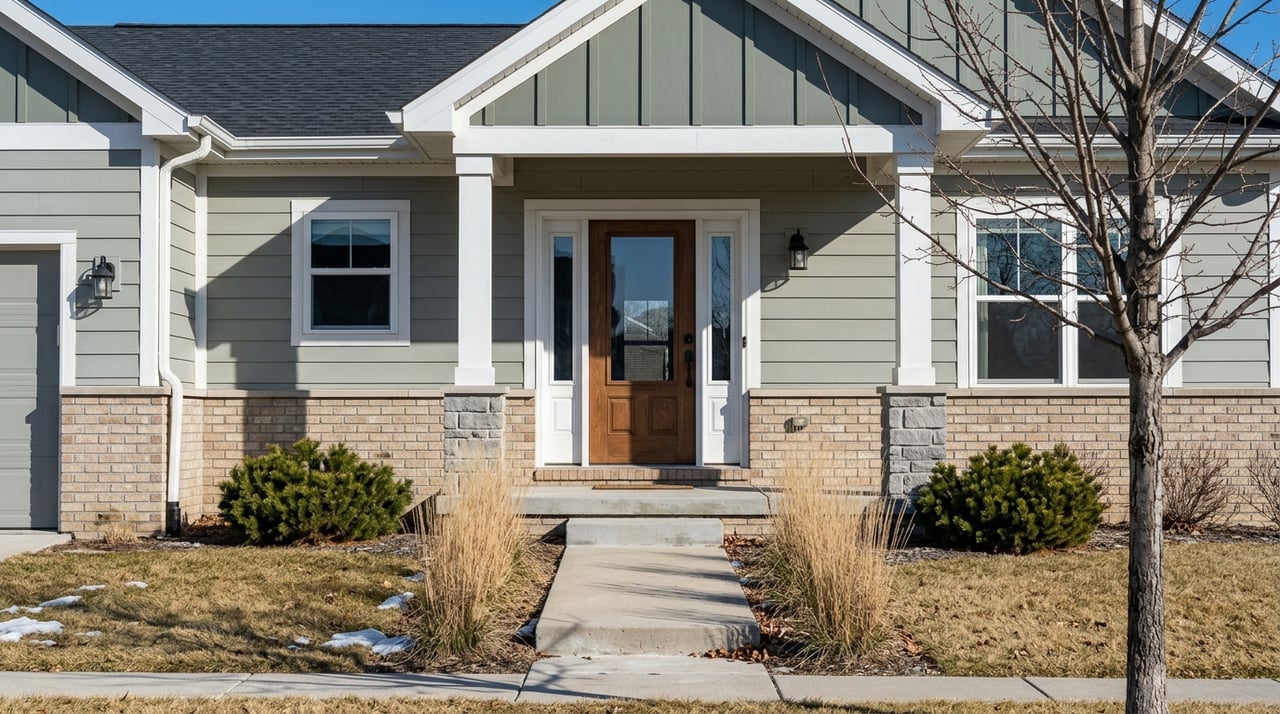
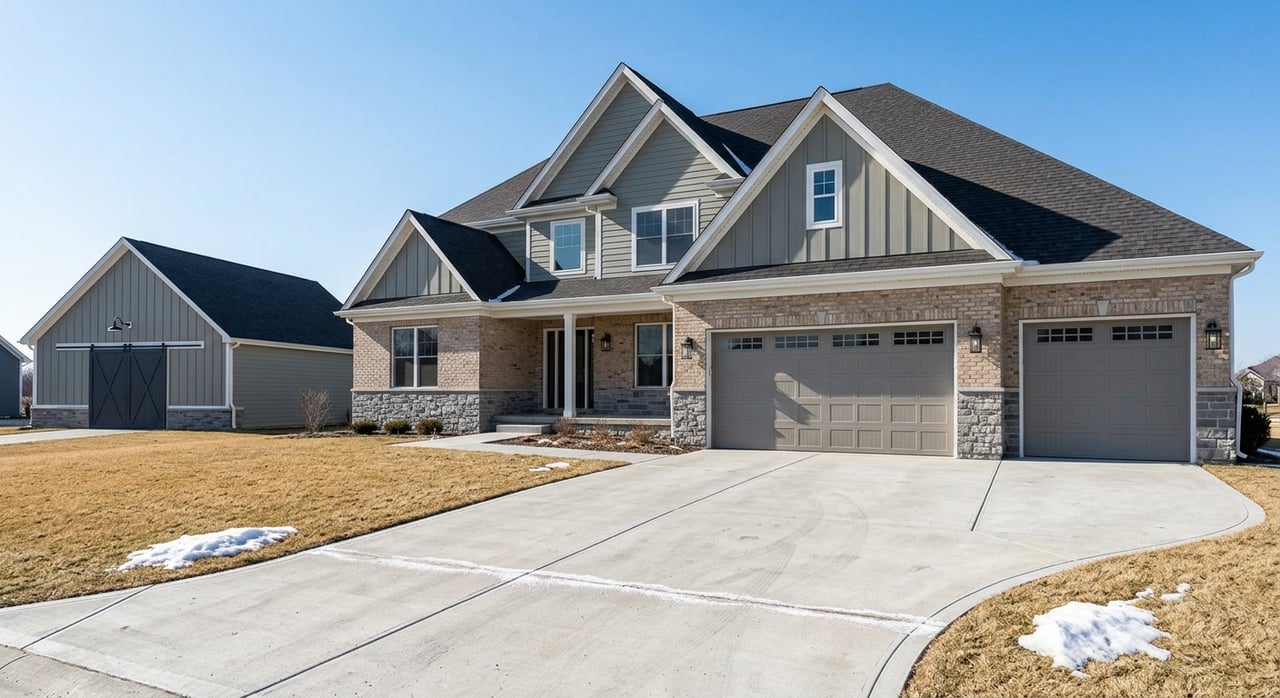
- Newer single-family and patio homes in master-planned neighborhoods.
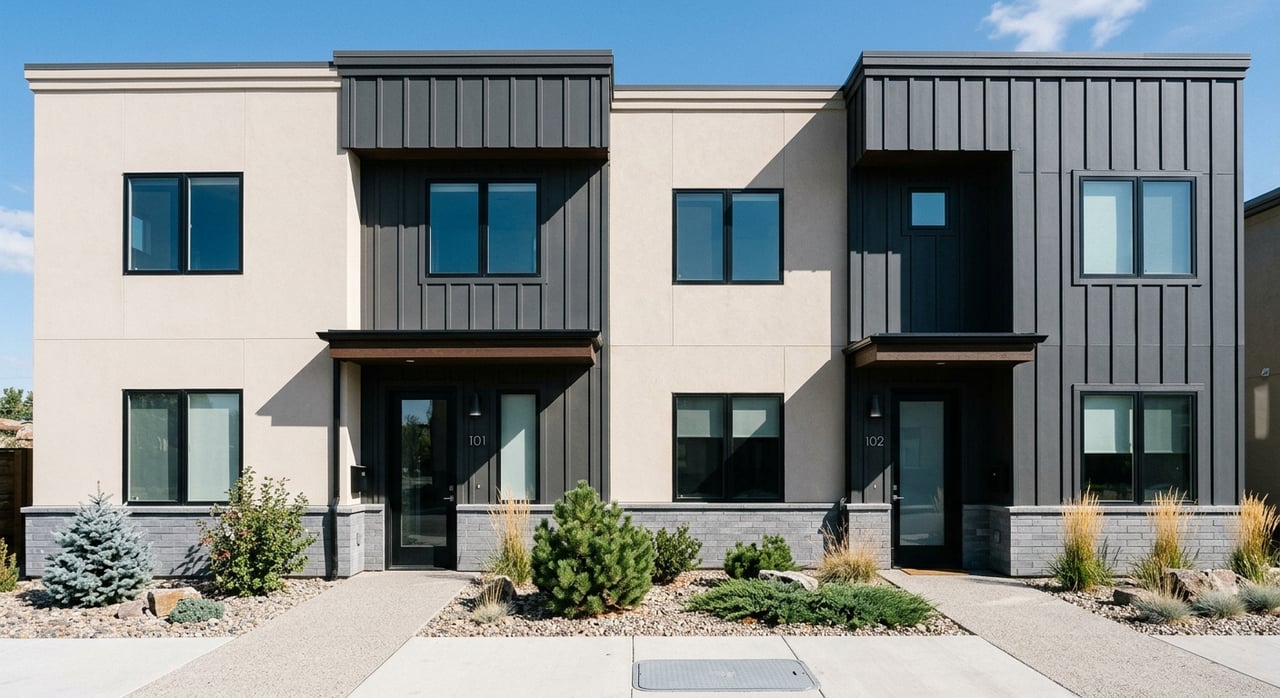
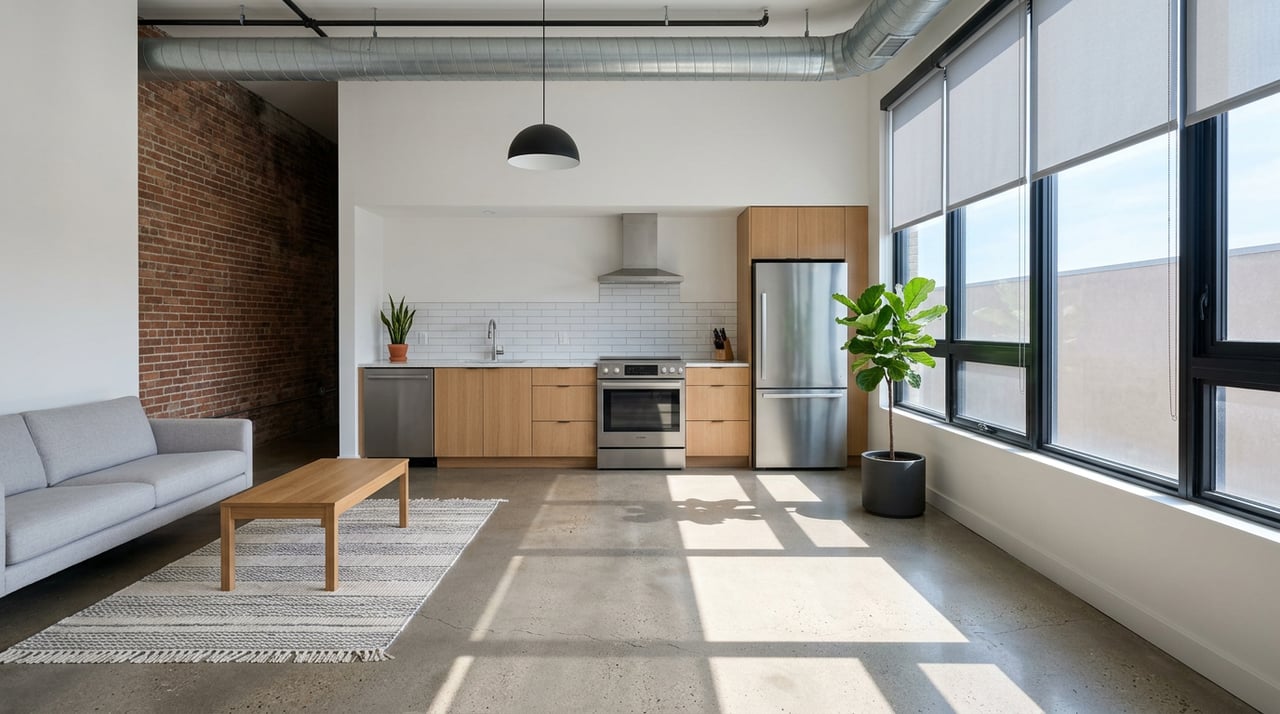
- Townhomes and condominiums near retail and transit nodes, popular with professionals and downsizers.
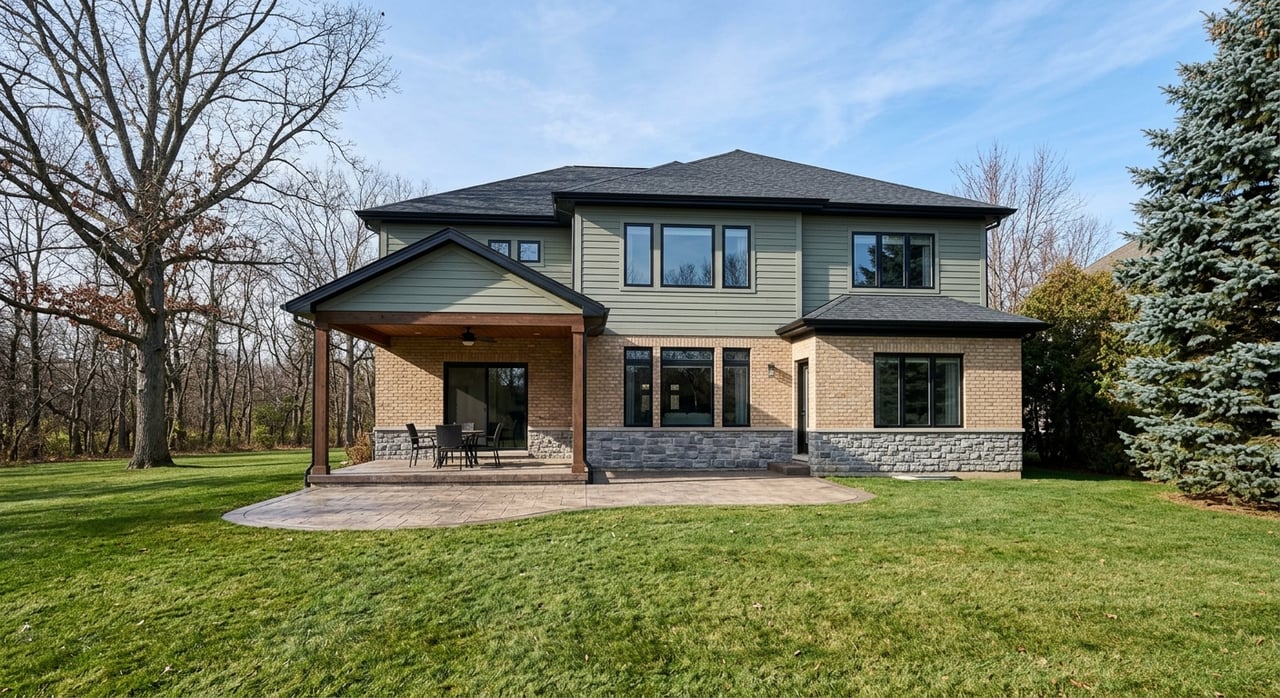
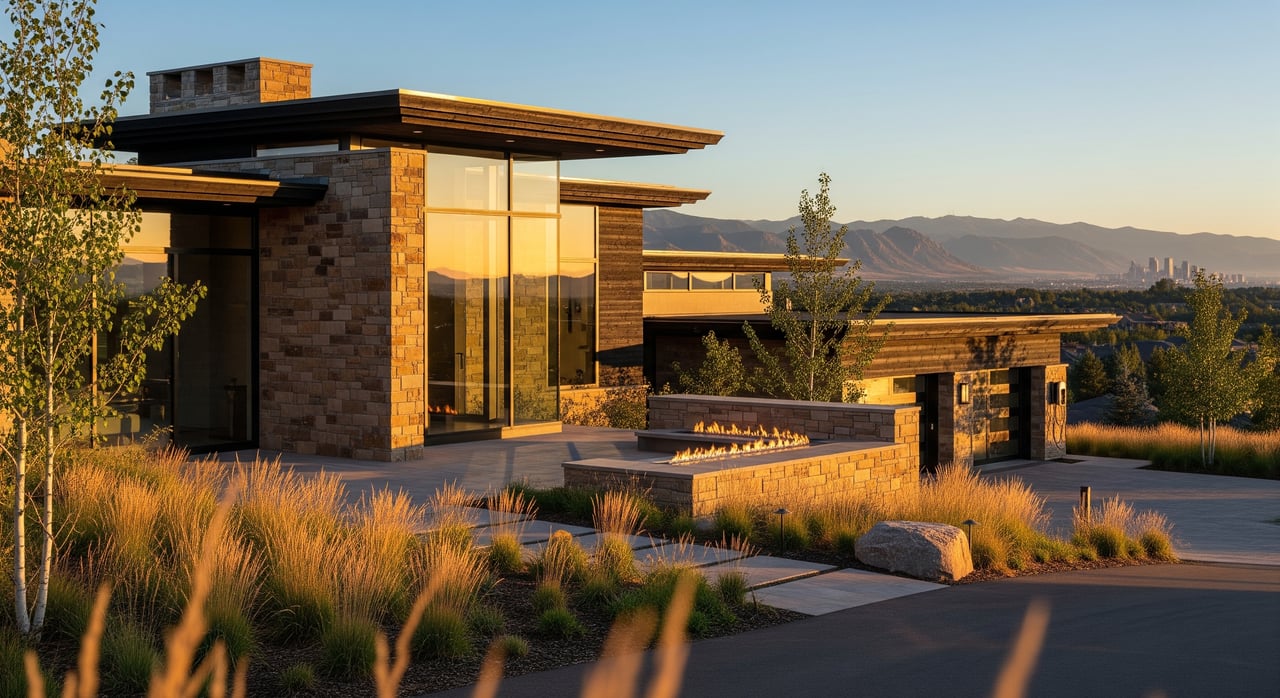
- Luxury estates and golf-adjacent homes in select pockets.
Expect higher-than-average prices relative to the Denver metro, driven by newer construction, location, and Douglas County demand. Options range from more affordable townhomes and condos close to Park Meadows and transit, to newer single-family homes in RidgeGate, up to higher-end estates in Heritage Hills. Actual prices vary by neighborhood, home age, size, and finishes.
Many neighborhoods have HOAs. Fees often cover landscaping of common areas, amenities, and some maintenance. When you are comparing homes, review what is included, the fee schedule, and reserve health so you know the true monthly cost of ownership.
Commute and transit
If you work in the Denver Tech Center, you will appreciate typical drive times of roughly 10 to 25 minutes in normal peak conditions, depending on your starting point and traffic. Downtown Denver tends to run 20 to 40 minutes or more during rush hour. I‑25 is your primary corridor, with Lincoln Avenue and other local roads feeding to retail and employment centers. E‑470 and C‑470 help with regional trips, though some segments are toll roads.
RTD light rail serves Lone Tree as part of the Southeast corridor. Stations in and near the city connect to DTC and downtown, with park-and-ride options and bus links supporting rail travel. If you are deciding between driving and rail, try a commute during peak hours and check current RTD schedules and traffic maps to see which option fits your routine best.
Biking and walking are part of daily life in several areas, especially RidgeGate, where sidewalks and trails link homes to parks and nearby commercial nodes. You can jog, bike, or take the dog for a loop without getting in the car.
Parks, trails, and leisure
Lone Tree’s planned neighborhoods prioritize open space and trail networks. Local parks offer playgrounds, fields, and picnic spots, while nearby Douglas County open space provides easy access to hiking and outdoor recreation. Golf and country-club options in the south metro add to the lifestyle mix for those who enjoy fairways and social events.
Arts and entertainment are close to home. The Lone Tree Arts Center stages theater and live performances, creating cultural variety without a long drive. Around Park Meadows and the broader commercial area, you will find restaurants, a cinema, and family-friendly activities that make weekends simple.
Schools and learning
Most households in Lone Tree are served by Douglas County School District. Attendance boundaries, programs, and enrollment policies can change, so it is best to confirm specifics directly with the district. Families also have access to private and charter options in the south metro corridor. For younger children, daycare and early learning providers are spread throughout Lone Tree and neighboring suburbs, which is helpful if you commute through the Denver Tech Center.
Shopping, dining, and daily errands
Park Meadows is a major retail destination with national brands, department stores, and a broad dining lineup. Surrounding streets bring together grocery stores, services, fitness studios, and casual eateries, so routine errands can be done in a single trip. Evening options range from sit-down restaurants to quick takeout, and many neighborhoods are just a short drive away.
Healthcare and services
Access to care is a practical advantage here. Lone Tree and the south metro are served by major medical centers, specialty clinics, and urgent-care providers. If you value proximity to healthcare, you will find a range of options within a short drive of most neighborhoods.
Day-in-the-life snapshots
- The DTC professional: You grab coffee at home, take I‑25 north, and roll into the Denver Tech Center in about 15 to 20 minutes. After work, a light-rail ride or quick drive sets up dinner and a show at the Lone Tree Arts Center.
- The growing household: School drop-off is a few minutes from home, then a quick grocery run near Park Meadows. Afternoon means a bike ride on neighborhood trails, followed by youth sports at a nearby field.
- The downsizer: You enjoy a low-maintenance townhome near restaurants and services. A midmorning appointment at a local clinic, lunch at a nearby cafe, and a matinee or concert close the day without leaving the area.
Buyer tips for Lone Tree
- Test your commute during peak hours and compare driving with RTD rail.
- Review HOA documents, fee schedules, and reserves before making an offer.
- Confirm current school boundaries and enrollment policies with the district.
- Factor in utility and yard-care costs if you are moving up in lot size.
- Compare new-build warranties and builder reputations in master-planned areas.
- Weigh proximity to transit and Park Meadows if convenience is a top priority.
Seller tips to stand out
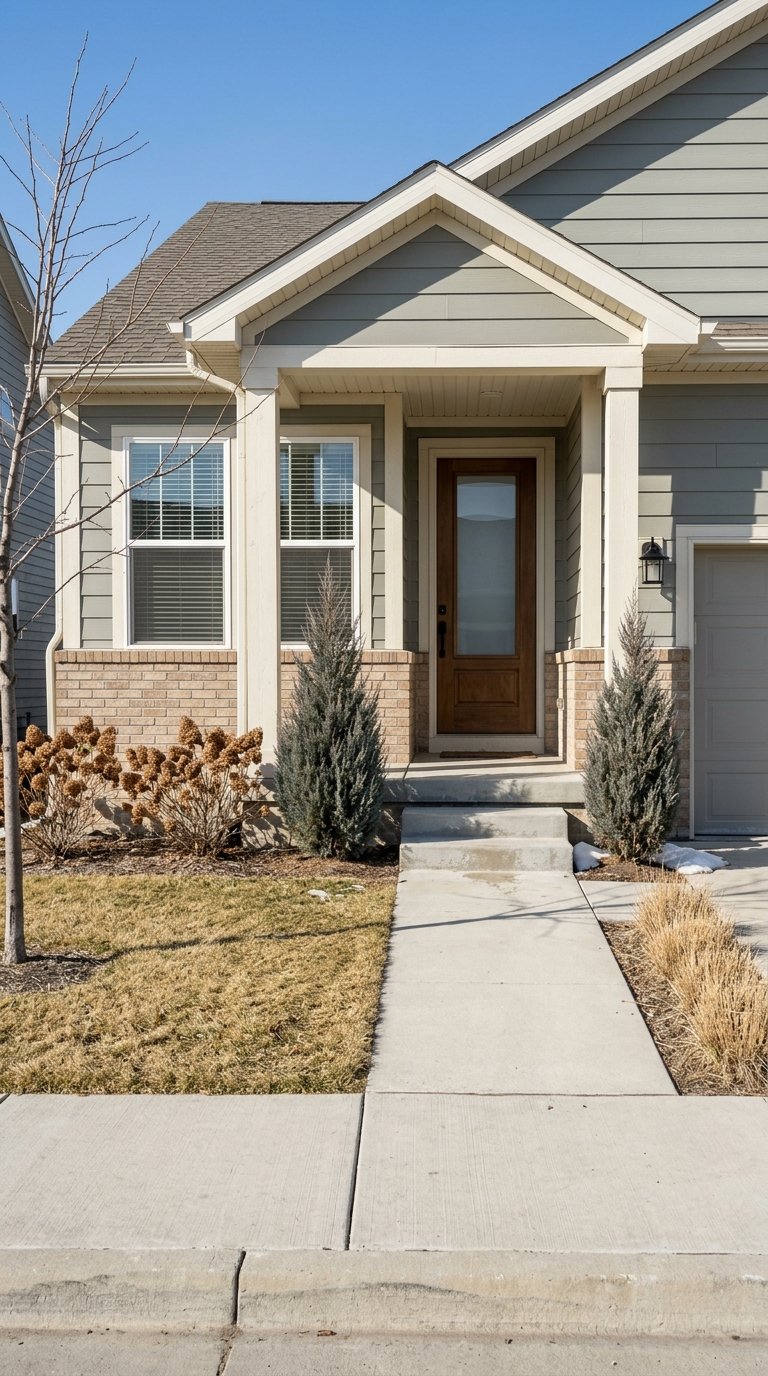
- Max out curb appeal with fresh landscaping and tidy entryways.
- Stage outdoor living spaces to highlight the suburban lifestyle.
- Spotlight proximity to DTC, RTD access, and Park Meadows in your marketing.
- Call out neighborhood parks, trails, and HOA amenities that add value.
- Use professional photos and clear floor plans to show flow and natural light.
Is Lone Tree right for you?
If you want suburban comfort, newer neighborhoods, and strong regional connectivity, Lone Tree delivers. You can choose from a wide variety of home types, balance commute and lifestyle needs, and enjoy shopping, arts, and healthcare without leaving the area. The next step is matching your priorities with the right pocket of the city.
If you would like a tailored plan, from neighborhood tours to negotiation strategy, reach out to Chriss Bond. You will get white-glove guidance backed by deep local expertise and a complete vendor network to make your move smooth.
FAQs
What are typical commute times from Lone Tree to DTC and downtown Denver?
- Expect about 10 to 25 minutes to the Denver Tech Center and 20 to 40 minutes or more to downtown in peak hours, depending on starting point and traffic.
How do RidgeGate and Heritage Hills compare in Lone Tree?
- RidgeGate offers newer, master-planned living with mixed housing and strong trail connectivity, while Heritage Hills is more established with larger lots and higher-end single-family homes.
What housing options are available in Lone Tree, CO?
- You will find single-family homes, patio homes, townhomes, condos, and luxury estates, with prices generally higher than the Denver metro average and wide variation by neighborhood and finishes.
How are schools organized in Lone Tree within Douglas County?
- Most homes are served by Douglas County School District, but boundaries and programs can change, so confirm the latest details directly with the district.
Is Lone Tree walkable and what is the nightlife like?
- Lone Tree is suburban and car-oriented overall, with walkable pockets near Park Meadows and City Center that offer dining and evening options.
What should I know about HOA fees and property taxes in Lone Tree, CO?
- HOA fees vary by neighborhood and should be reviewed in disclosures, and property taxes are assessed by Douglas County based on valuation and local levies.