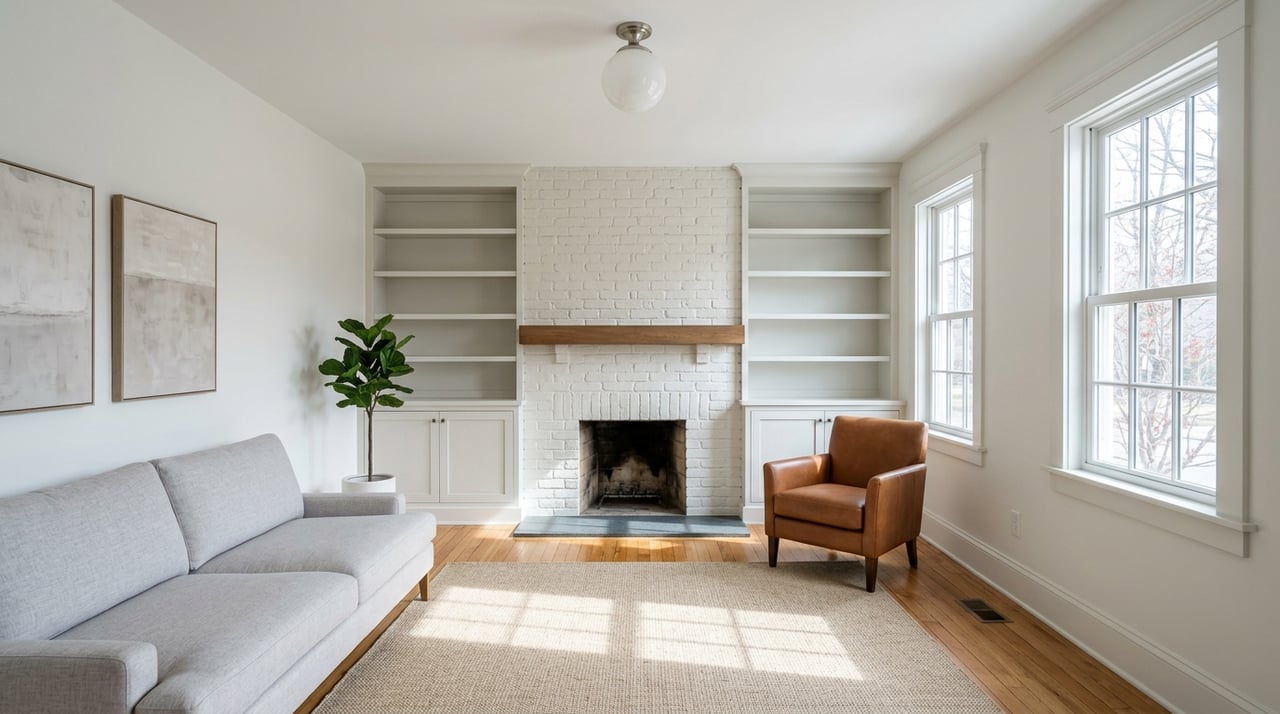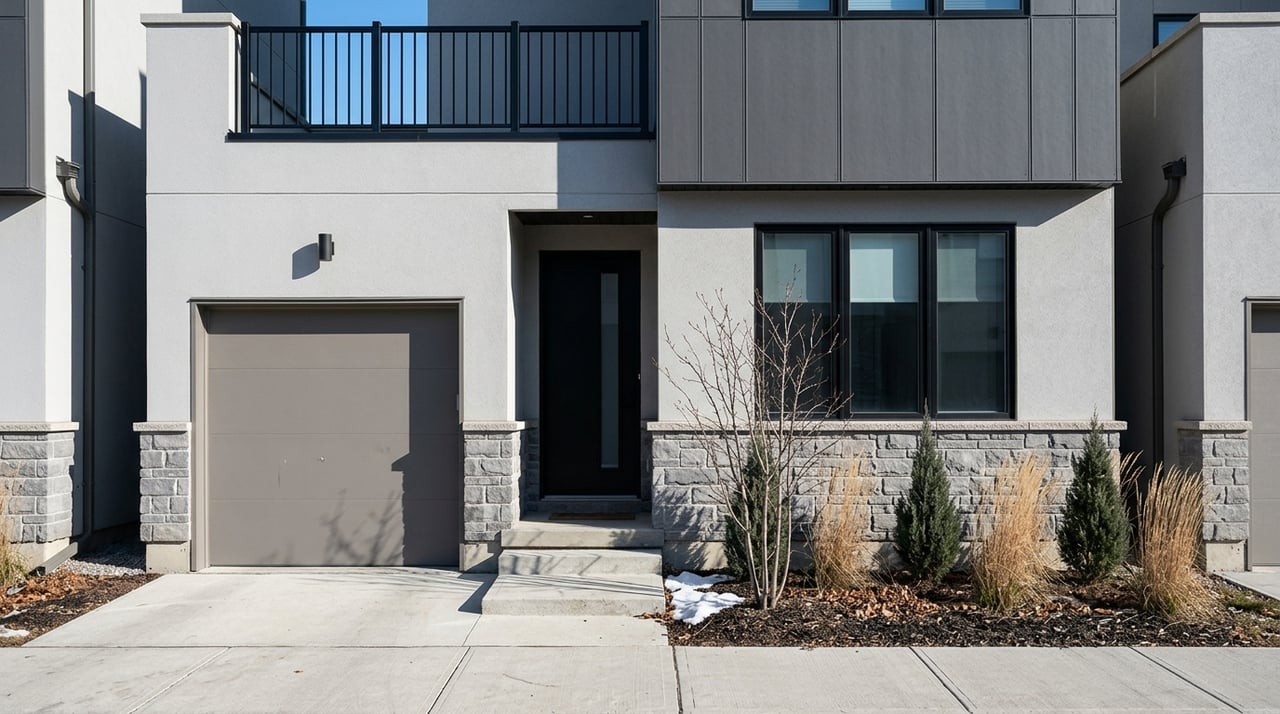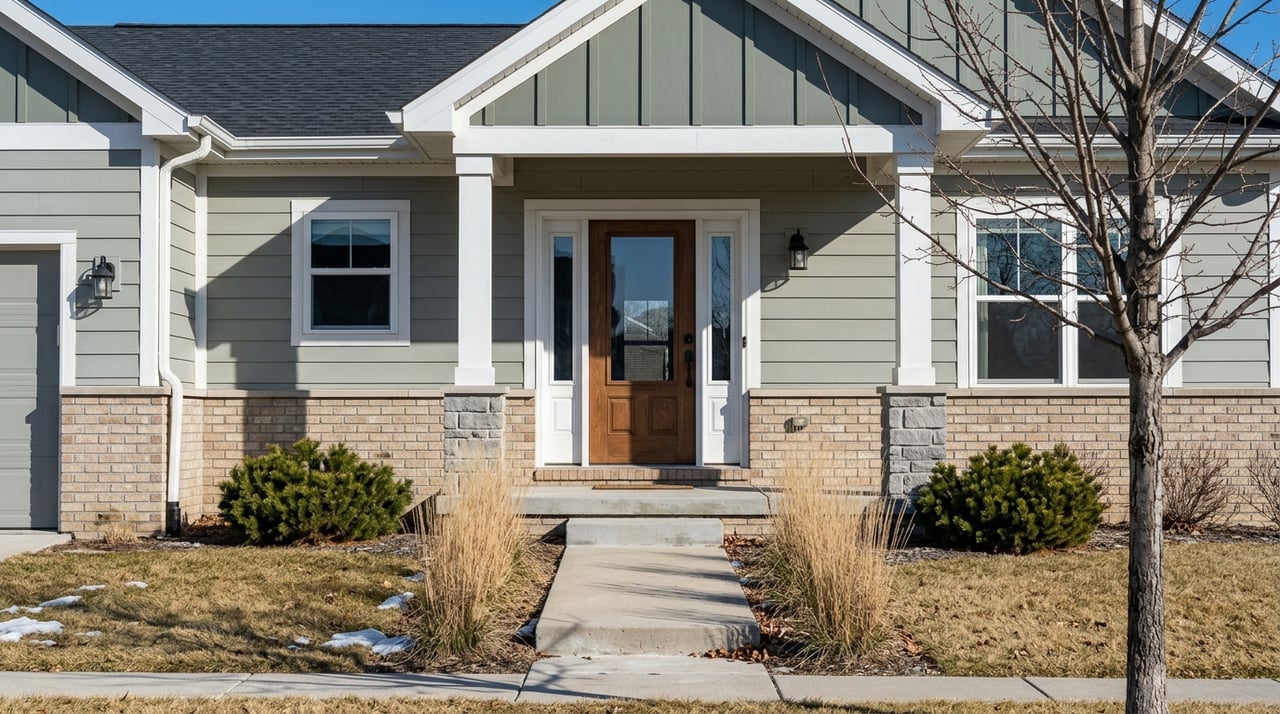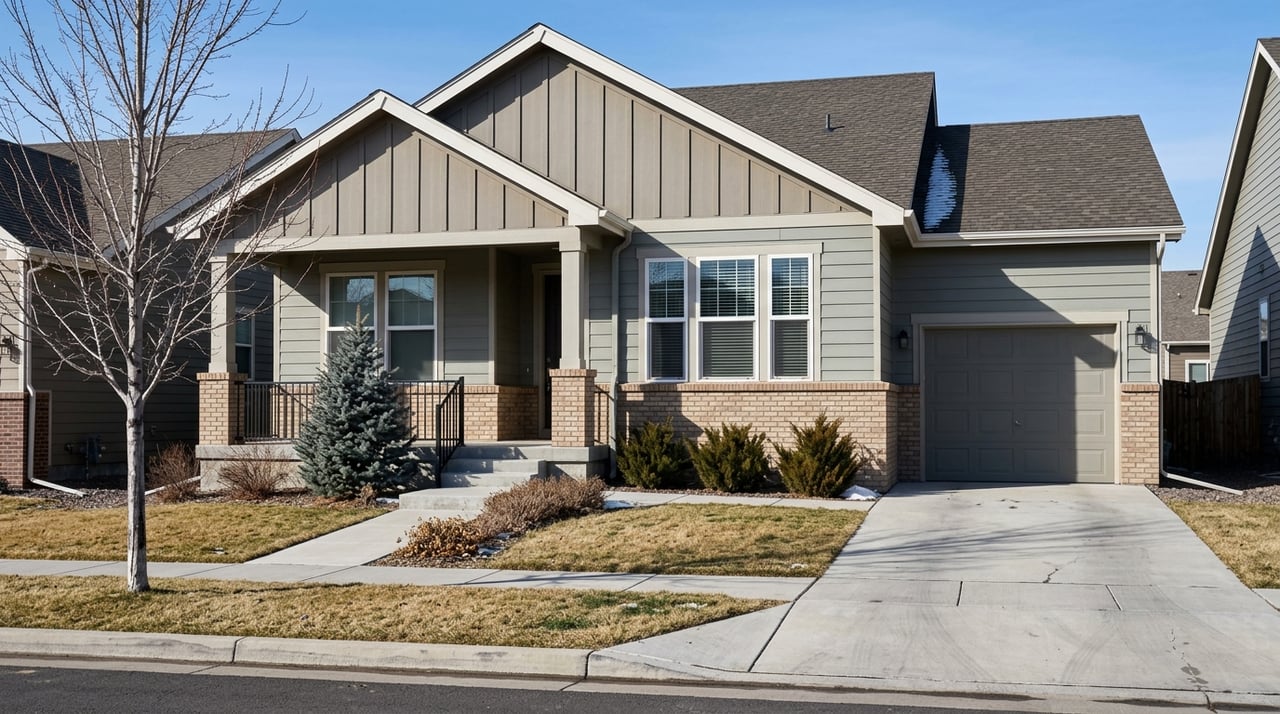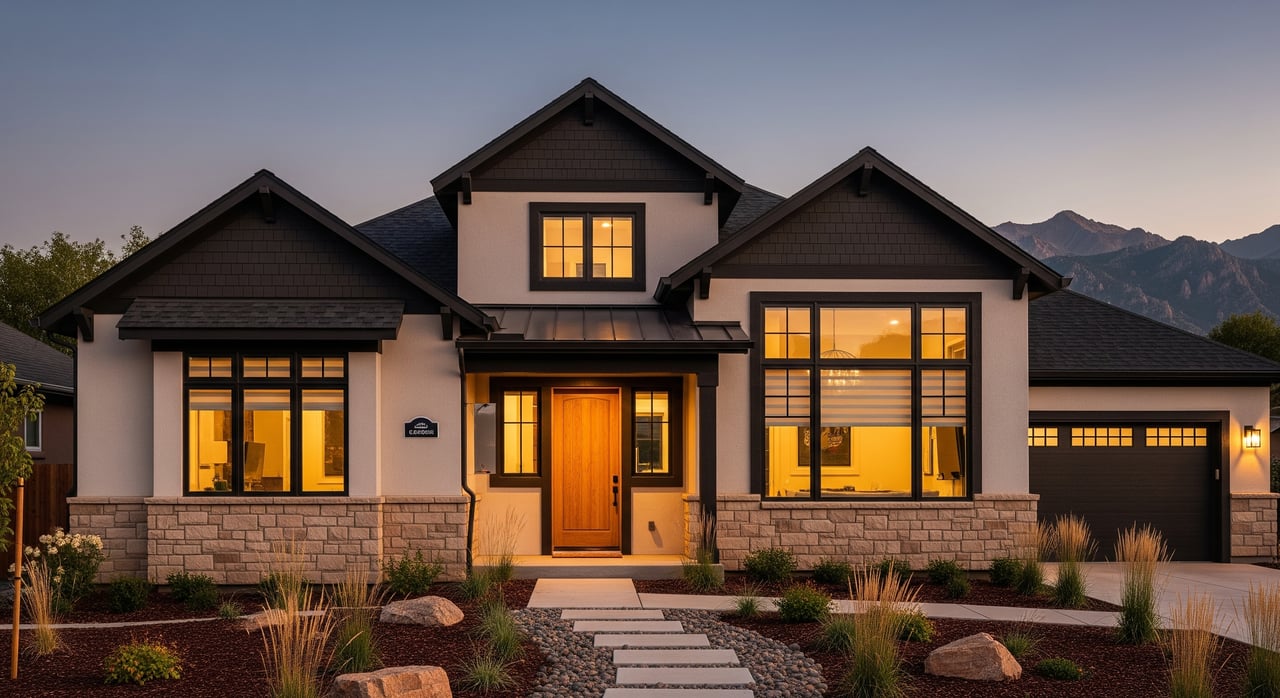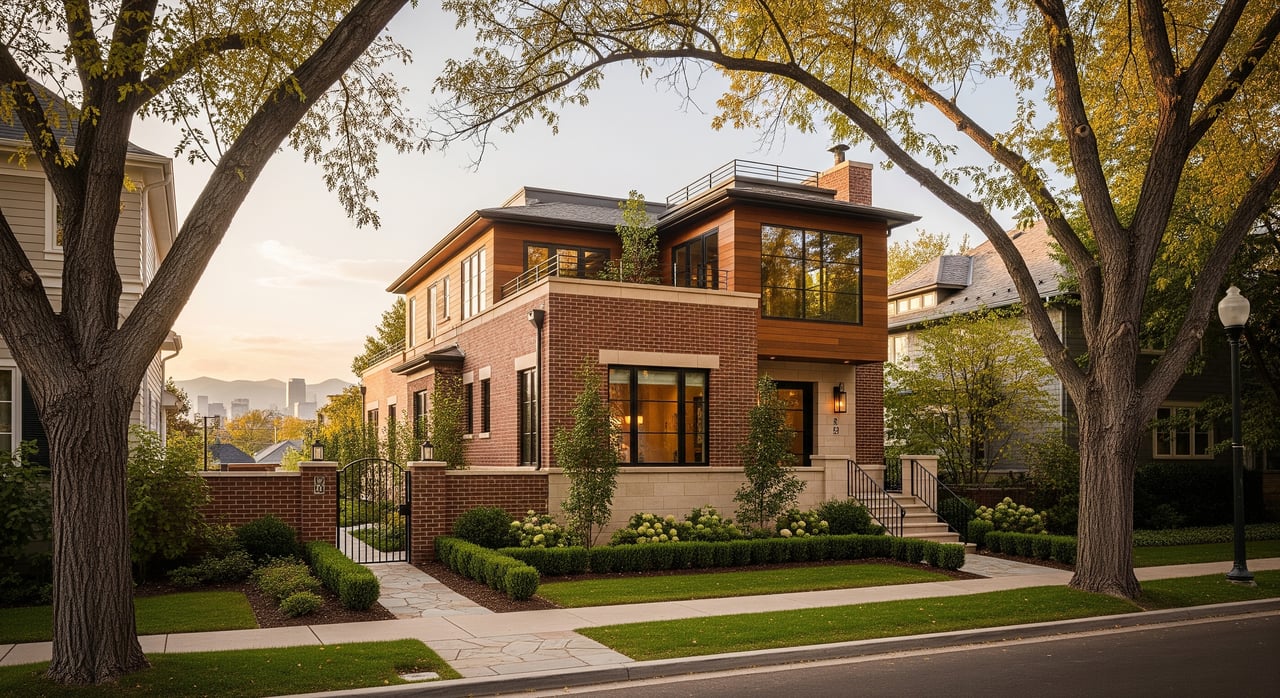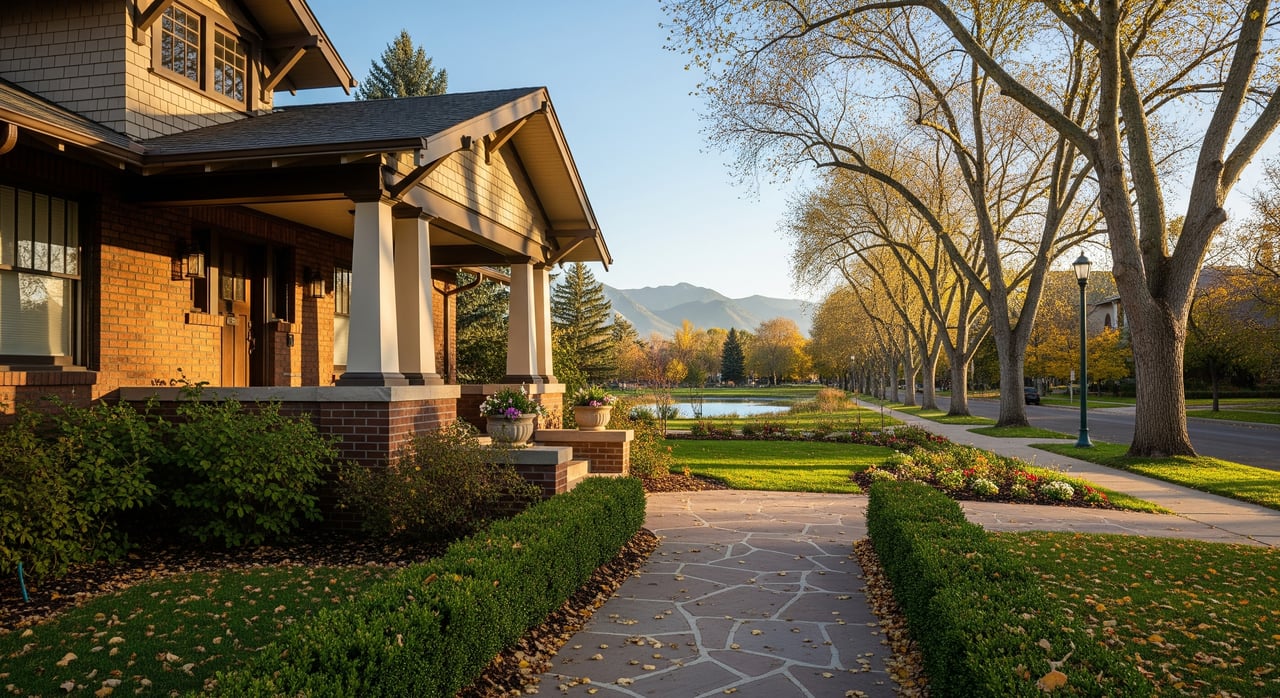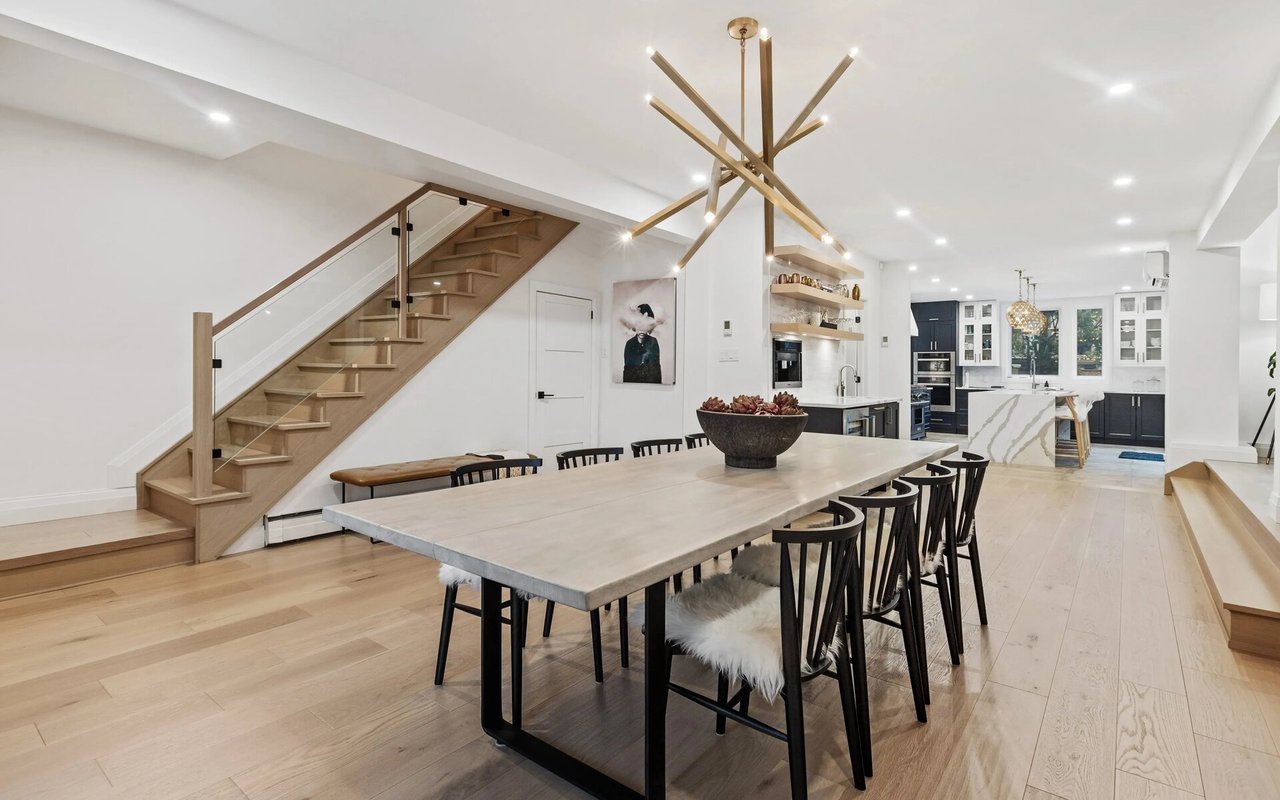
Wondering why one Hilltop or Crestmoor home gets immediate attention while another sits? In these Denver neighborhoods, pricing and marketing need to do more than look polished. They need to reflect the lot, the architecture, the condition, and how buyers are behaving right now. If you want to sell with confidence, this guide will show you what matters most and how to position your home for a strong launch. Let’s dive in.
Why Hilltop and Crestmoor Need a Local Strategy
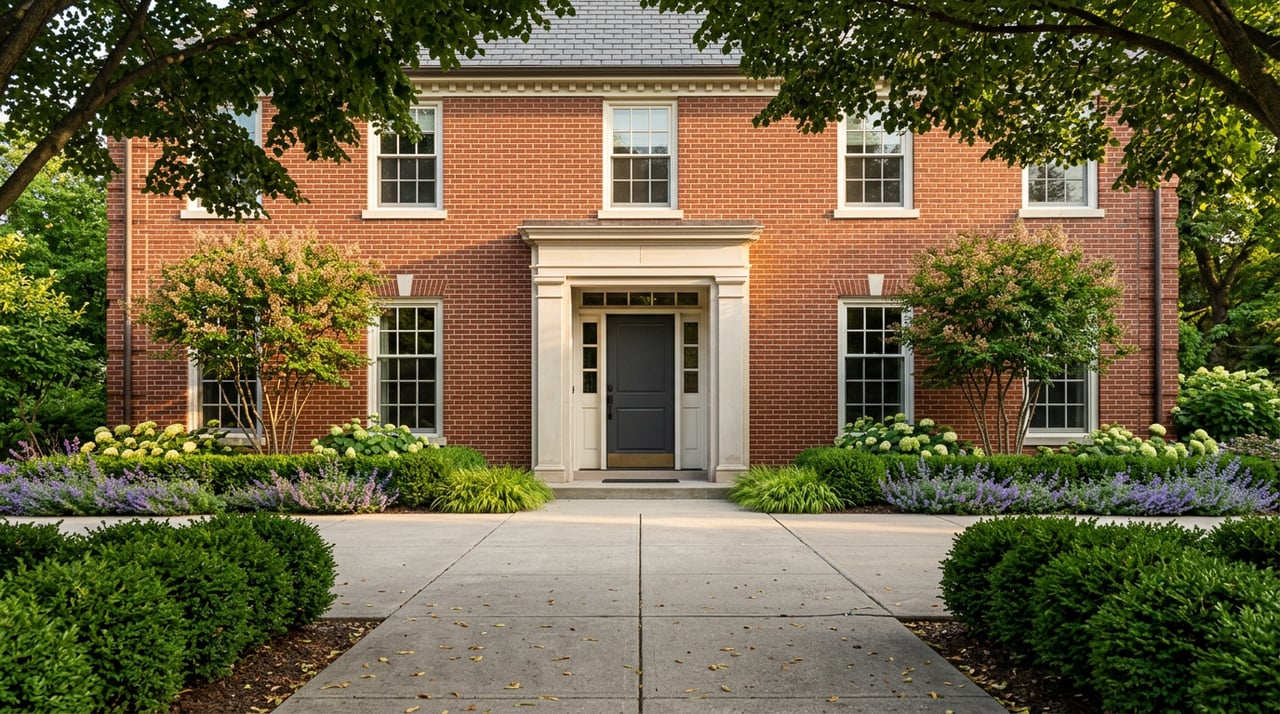
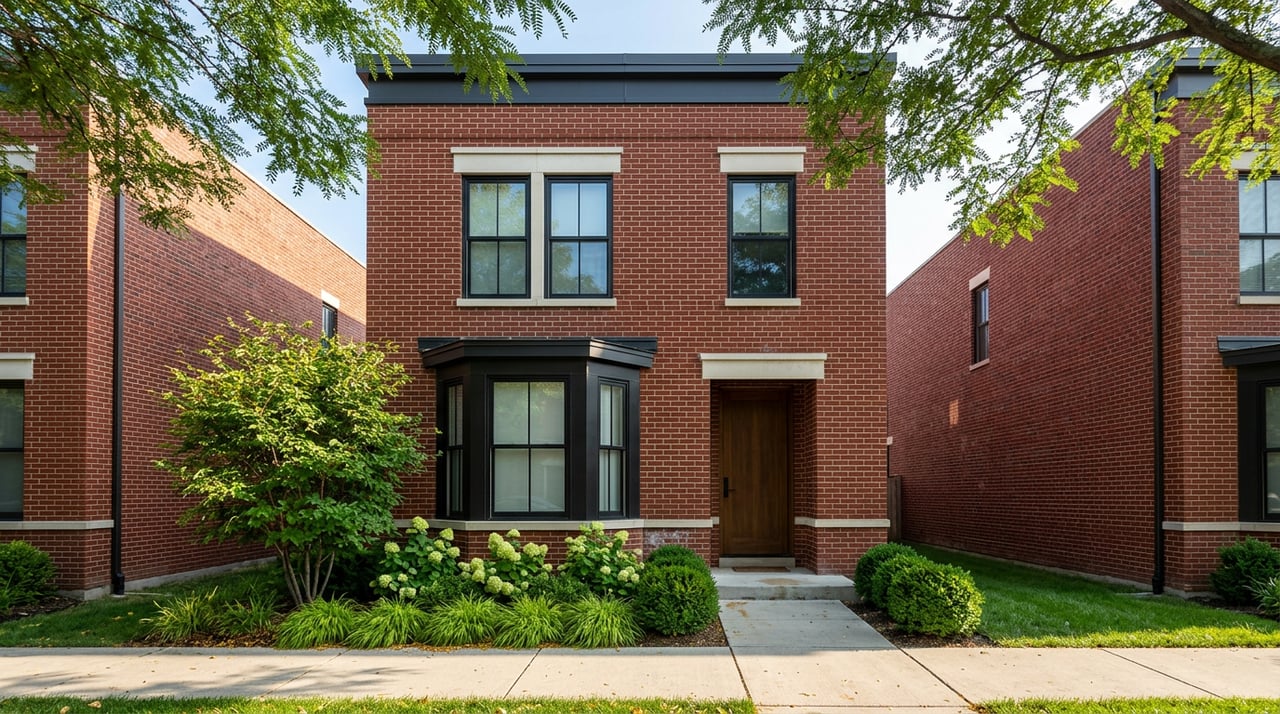
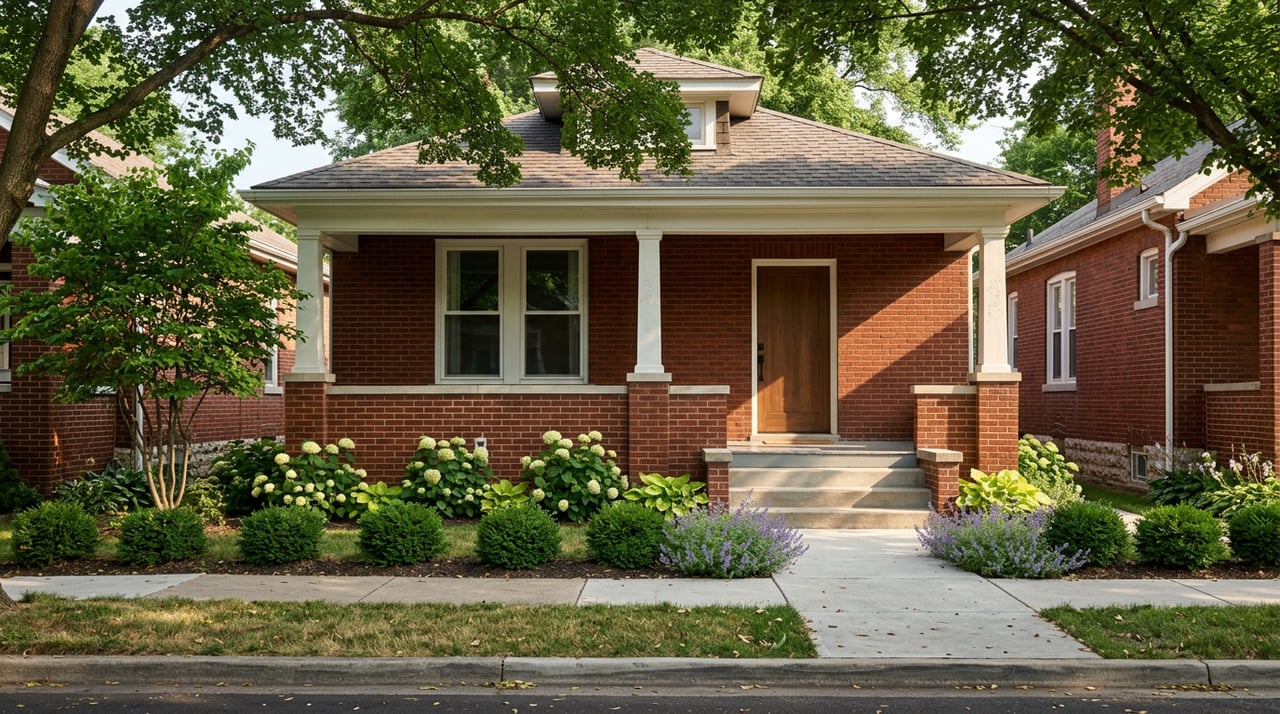
Hilltop and Crestmoor are not cookie-cutter markets. Hilltop is known for long-established streets, notable architecture, and landmark outdoor spaces like Cranmer Park, Robinson Park, and the 6th Avenue Parkway. Crestmoor has its own strong identity, with the Crestmoor Community Association serving as a longtime neighborhood anchor since 1954.
Those neighborhood details matter because buyers in these areas often look closely at setting, lot presence, and how a home fits into the surrounding streetscape. In Crestmoor, city improvements at Crestmoor Park are also part of the current conversation, with playground and accessibility improvements targeted for completion in spring 2026.
Price Strategy Starts With the Lot
In Hilltop and Crestmoor, lot size can have a major effect on value. Denver zoning makes this especially important because zone names can reflect minimum lot size, such as E-SU-D at 6,000 square feet and E-SU-G at 9,000 square feet. That means your marketing and pricing should be based on verified facts, not assumptions.
This is especially important in Hilltop. A Denver City Council District 5 newsletter noted that the neighborhood includes a mix of public alleys, private alleys, and alleys that were originally laid out but never built. It also warned that some properties had been marketed as larger than their legal size, which is why survey work and title review can be critical before using lot dimensions as a pricing advantage.
Legal lot area vs usable space
A big backyard may look straightforward, but value depends on what is legally part of the property and how the site functions. If a seller assumes extra land is included when it is not, the list price can overshoot the market. If the lot is confirmed and well utilized, that can support stronger positioning from day one.
For buyers in these neighborhoods, outdoor usability also matters. A flat yard, appealing patio area, or better relationship to the street and alley can shape perceived value just as much as raw square footage.
What Buyers Are Rewarding Right Now
The broader Denver market shows why precision matters. According to March 2026 data from the Denver Metro Association of Realtors, single-family homes had 1.86 months of inventory, which is below the association’s balanced-market range of 4 to 6 months. That tells you demand is still present, but it does not mean every home can be priced aggressively without pushback.
DMAR also reported that the year-to-date close-price-to-list-price ratio was 98.87 percent, the lowest in five years. In simple terms, buyers are showing more price sensitivity and negotiating more than many sellers remember from the hottest market years. Well-priced homes in desirable locations still saw multiple offers, but the margin for error has narrowed.
Higher price points require more discipline
As price rises, the buyer pool becomes more selective. DMAR reported that detached homes above $2 million had 5.64 months of inventory, and year-to-date closings in that segment were down 10.78 percent from 2025. If your Hilltop or Crestmoor home is in that upper tier, pricing too high can cost valuable momentum.
That does not mean pricing low. It means pricing with intent. The right strategy should reflect recent comparable sales, current competition, renovation level, and the home’s unique appeal.
How to Price a Hilltop or Crestmoor Home
A strong pricing plan weighs several factors together rather than isolating one feature. In these neighborhoods, that usually includes:
- Verified lot size and zoning context
- Architectural style and curb appeal
- Condition and renovation quality
- Layout and room flow
- Outdoor usability
- Street location and nearby park access
- Current inventory and buyer activity in the price band
Coldwell Banker notes that home valuation should account for location, size, condition, and market trends. In Hilltop and Crestmoor, that often means the lot, architectural character, renovation level, and outdoor space should be considered as one complete value story.
Why overpricing is risky
An ambitious price can feel safer to a seller, but it often has the opposite effect. If buyers sense that a property is stretched beyond recent market evidence, they may wait, negotiate harder, or skip it entirely. In a market where many well-positioned homes still move quickly, a stale listing can stand out for the wrong reason.
Why underpricing is not always the answer
Pricing too low can create attention, but it is not a cure-all. If the home is highly specific, needs meaningful updates, or sits in a thinner luxury segment, the market may not respond with the kind of competition a seller expects. The goal is not just traffic. The goal is qualified demand and a strong negotiating position.
Marketing Should Match the Home
Once pricing is right, presentation becomes the next lever. The first days on market matter, especially in neighborhoods where buyers are comparing architecture, finish quality, and lot appeal side by side.
The 2023 Profile of Home Staging found that 81 percent of buyers’ agents said staging made it easier for buyers to visualize the property as a future home. The rooms buyers most wanted staged were the living room, primary bedroom, and kitchen.
Focus on clean, character-forward prep
For Hilltop and Crestmoor, the goal is usually not heavy styling. It is a clean, polished presentation that lets the architecture and flow stand out. That means reducing clutter, deep cleaning, handling minor repairs, touching up paint, and making sure key spaces feel open and easy to understand.
According to the same staging report, common prep recommendations included decluttering, deep cleaning, removing pets during showings, professional photos, minor repairs, and paint touch-ups. Those steps may sound simple, but together they shape how buyers judge value before they ever visit in person.
Staging can support price and timing
The staging data also showed that 20 percent of buyers’ agents said staging increased the dollar value offered by 1 to 5 percent. Another 21 percent of sellers’ agents said staging greatly decreased time on market. For a Hilltop or Crestmoor listing, that can be especially meaningful when you are trying to preserve early momentum.
What Premium Marketing Should Include
In these neighborhoods, marketing should do more than announce a listing. It should tell a clear story about the home, its setting, and why it deserves attention in its price category.
Coldwell Banker’s property spotlight marketing plan includes tools such as professional photography, brochures, a property website, a property tour, REALTOR email notifications, a just-listed email flyer, targeted Facebook and Instagram ads, broad website exposure, TV and online promotion, and print advertising. For the right Hilltop or Crestmoor home, that kind of layered exposure helps reach both local and out-of-area buyers.
The essentials for a strong launch
A thoughtful launch plan often includes:
- Comp-based pricing tied to current market conditions
- Staging or light staging where it will have the most impact
- Professional photography
- Video or guided visual storytelling
- A custom property website
- Broad exposure beyond the local MLS
- Clear showing readiness from day one
This matters because sellers consistently want help with pricing, marketing, finding qualified buyers, and staying on schedule. NAR’s 2024 seller data found that 90 percent of home sellers used a real estate agent or broker, underscoring how important coordinated strategy has become.
Why Experience Matters in These Neighborhoods
Hilltop and Crestmoor homes can be deceptively complex to price. Two properties with similar square footage may perform very differently based on legal lot area, renovation choices, architecture, and how the home lives day to day. That is why local context matters as much as spreadsheet math.
With a full-service approach, you can build the plan around your home instead of forcing your home into a generic formula. That may include pricing guidance, staging support, vendor coordination, marketing rollout, and negotiation strategy designed around your timing and goals.
Selling With Confidence
The strongest Hilltop and Crestmoor listings usually share the same foundation. They enter the market with a realistic price, verified property details, polished presentation, and marketing that fits the home’s value tier.
If you are thinking about selling, the best first step is to understand how your home would be positioned in today’s market, not last year’s market. For tailored advice on pricing, preparation, and launch strategy in Hilltop or Crestmoor, connect with Chriss Bond.
FAQs
How should you price a Hilltop home in Denver?
- You should base pricing on verified lot details, zoning context, condition, architecture, outdoor usability, recent comparable sales, and current buyer demand in that price range.
Why does legal lot size matter for Hilltop homes?
- Legal lot size matters because some Hilltop properties may have been marketed larger than their legal size, and alley conditions can affect what is actually part of the property.
What marketing works best for a Crestmoor home?
- A strong Crestmoor marketing plan should combine disciplined pricing, polished preparation, professional photography, video, a custom property website, and broad listing exposure.
Does staging help sell higher-end Denver homes?
- Staging can help buyers visualize the home more clearly, support stronger offers, and reduce time on market, especially in key rooms like the living room, primary bedroom, and kitchen.
Is the Denver luxury market still competitive?
- It depends on the price point. The March 2026 market data shows tighter inventory in many single-family segments, but homes above $2 million face a more selective buyer pool and require sharper pricing.