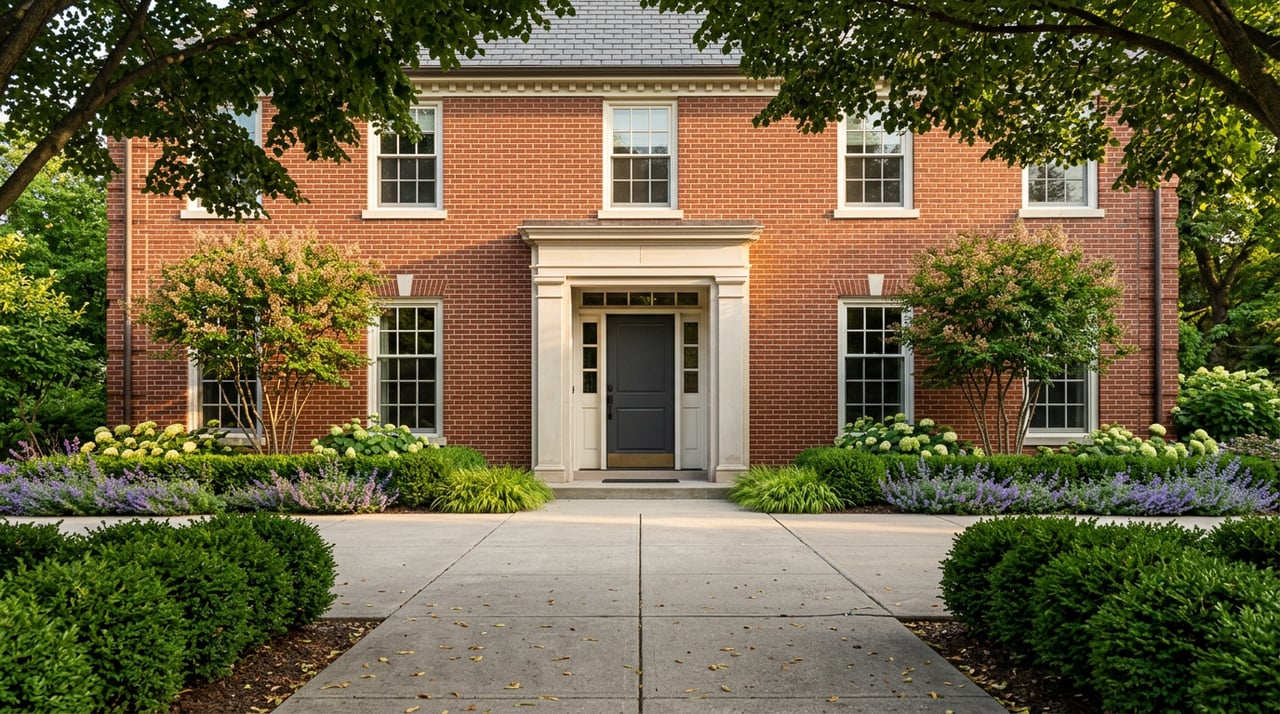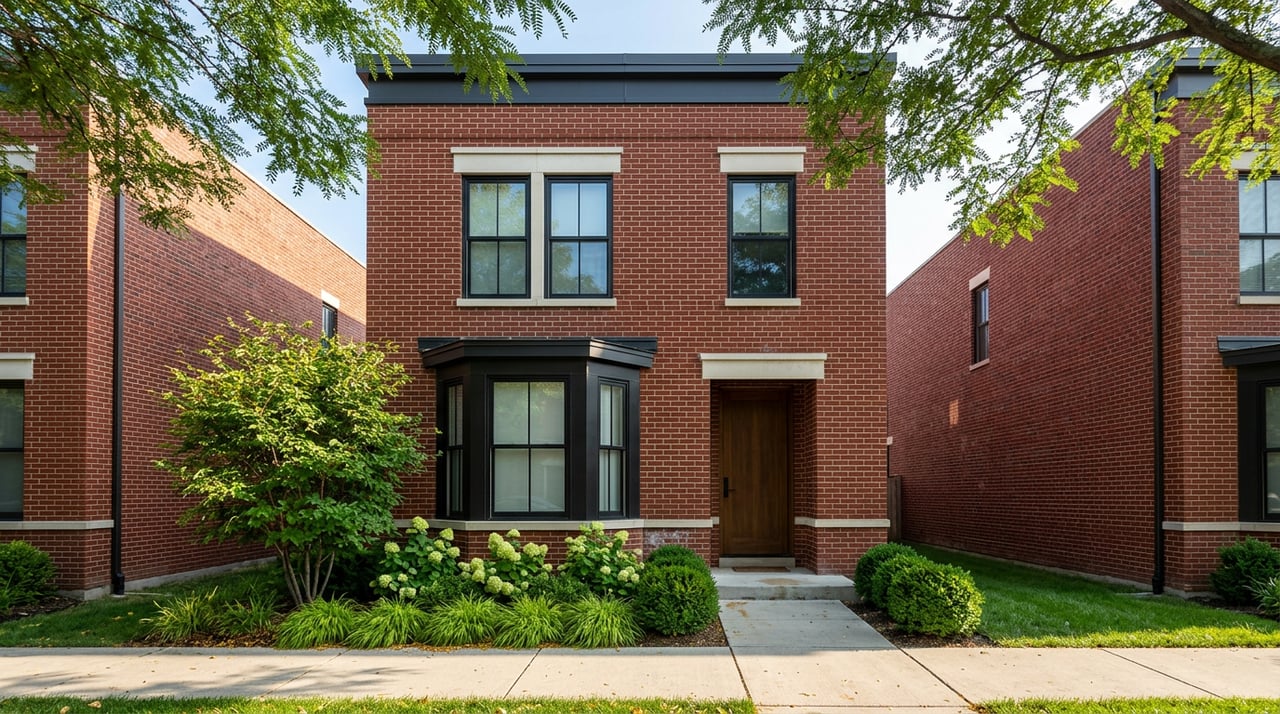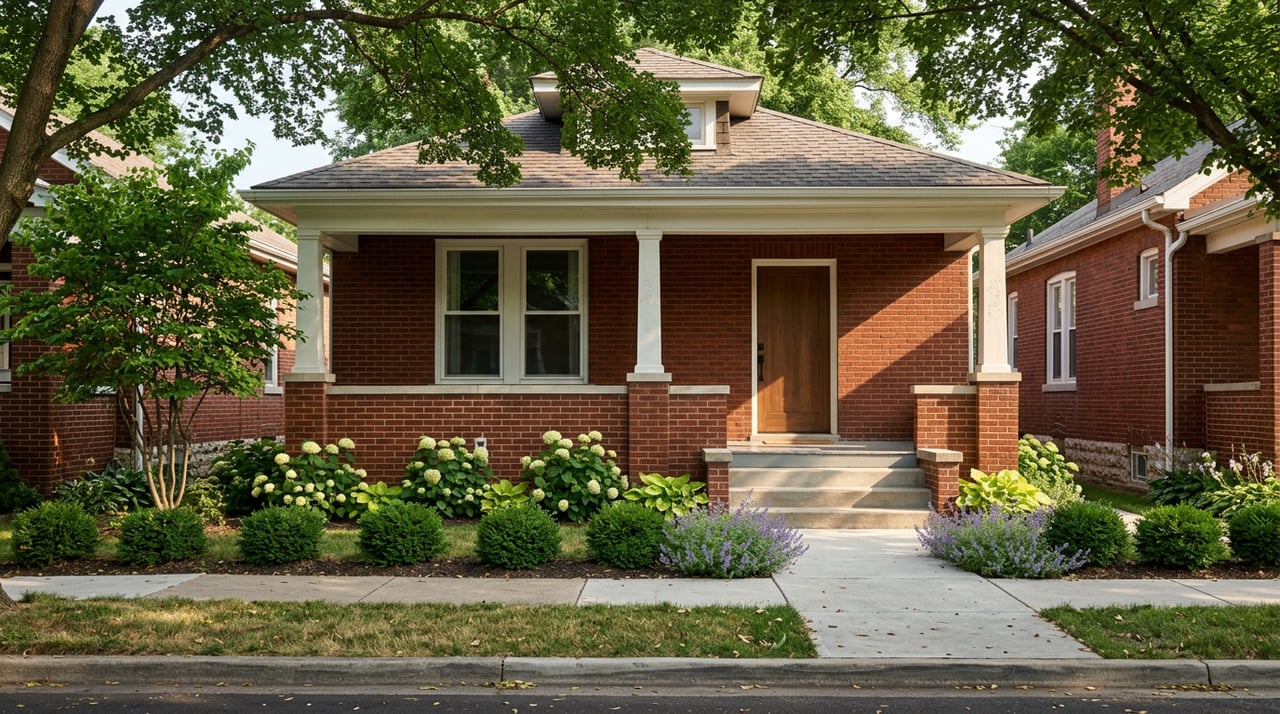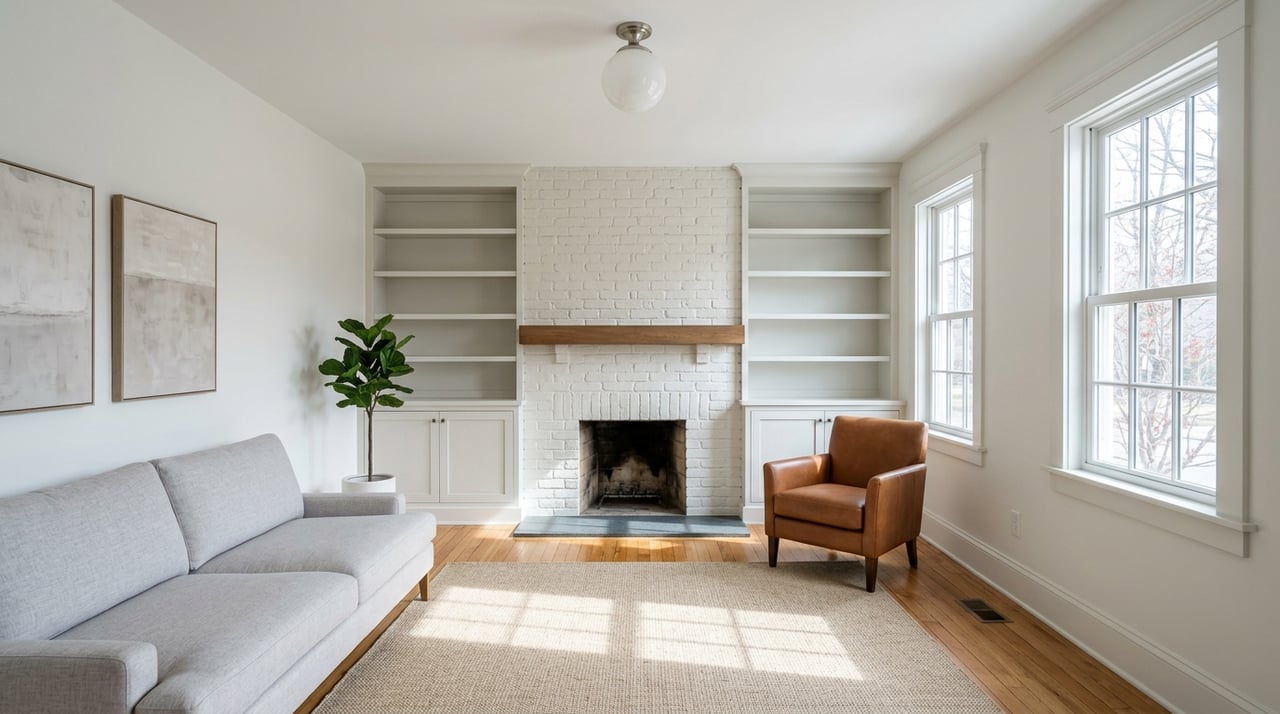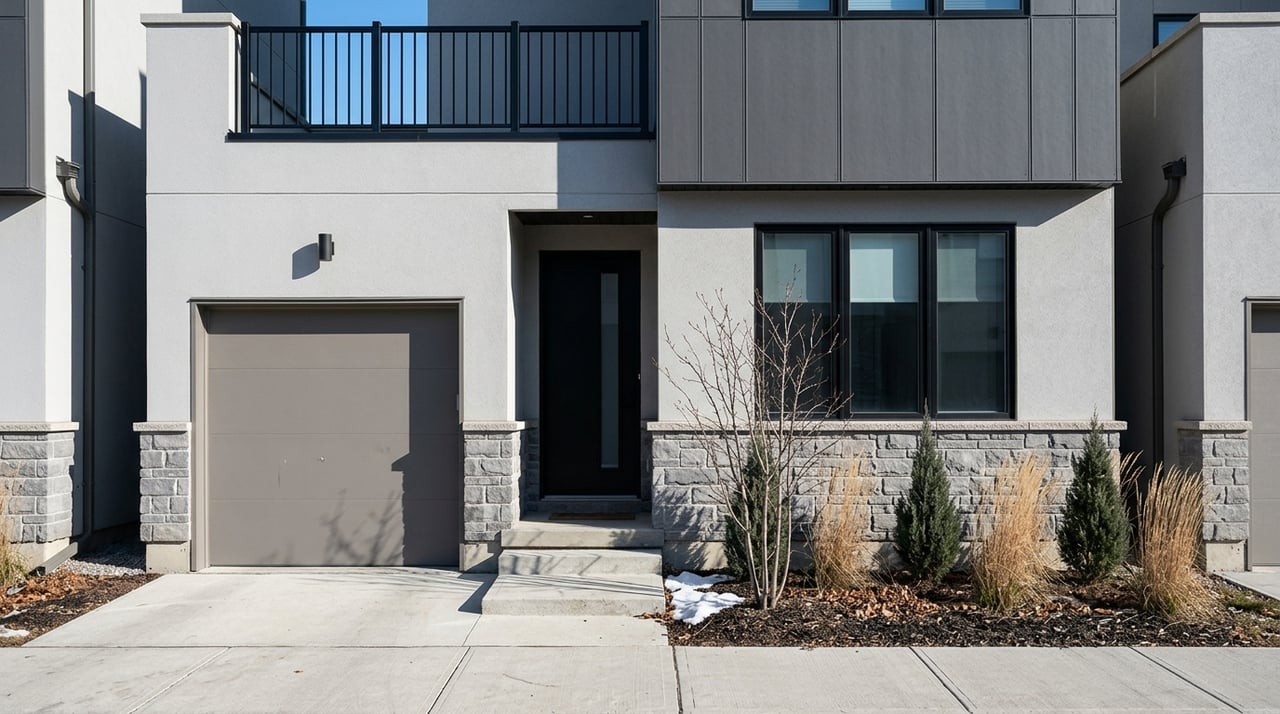
Wondering whether your perfect Denver home base is Downtown, the Highlands, or LoHi? You are not alone. Each area offers a distinct lifestyle and mix of condos, lofts, and townhomes that appeal to different goals. In this guide, you will compare day-to-day living, building types, prices and rents, HOA and insurance factors, financing, and rental rules so you can move forward with confidence. Let’s dive in.
How these neighborhoods differ
Location and vibe
- Downtown places you in Denver’s core near Union Station and LoDo. You get the densest urban experience with high-rise living, major venues, and quick transit.
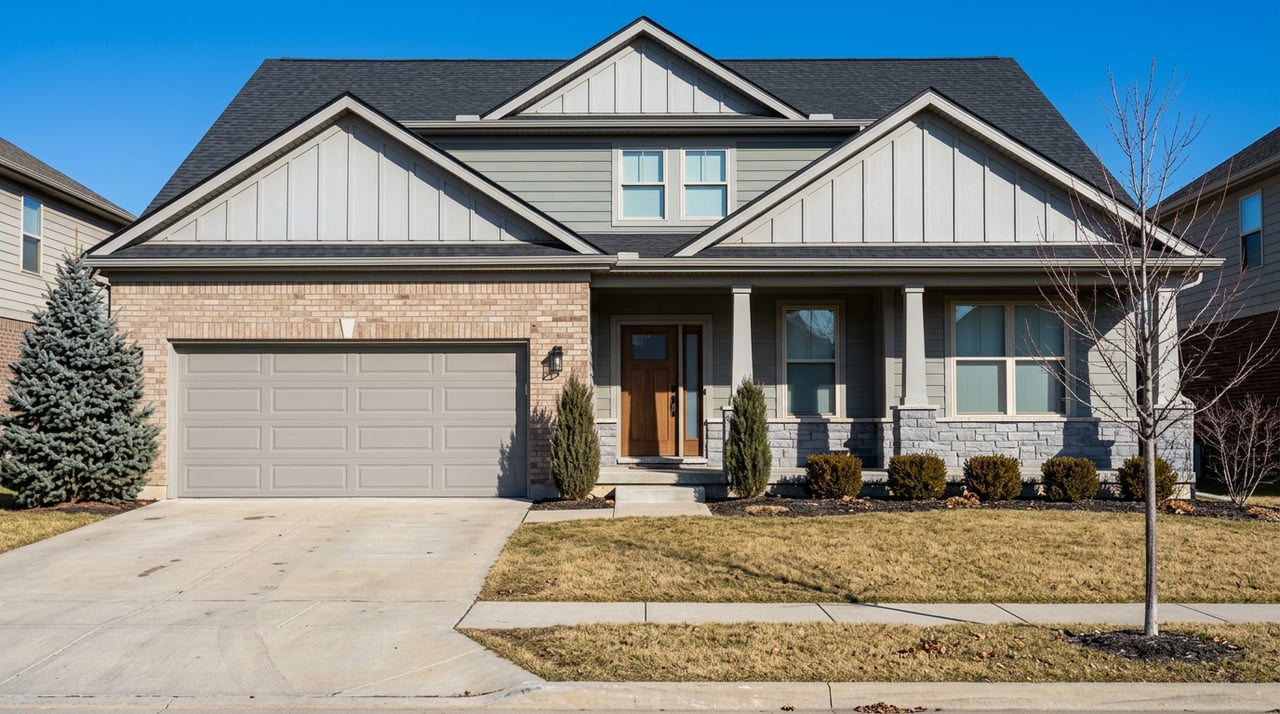
- The Highlands refers to a larger, residential neighborhood northwest of the South Platte River. Expect more tree-lined streets and a quieter feel with pockets of condos and townhomes.
- LoHi sits on the east edge of the Highlands near the pedestrian bridge to Union Station. It is compact, restaurant rich, and very walkable.
Walkability and transit
If you want a car-light lifestyle, focus on LoDo and LoHi. Downtown is a walker’s paradise with rail and bus lines at Union Station. LoHi and the central Highlands also score high for walkability and bike access, with some pockets in the low 90s on Walk Score’s Denver maps.
Daily life snapshot
- Downtown: high-rise amenities, sports and concert nights, and quick commutes. Great if you value elevator living and instant access to events.
- LoHi: buzzy dining and rooftops, boutique condo buildings, and newer townhomes with private decks.
- Highlands: a more residential pace near neighborhood retail corridors. You trade a few extra minutes to downtown for a quieter street feel.
What you will find on the market
Downtown and LoDo homes
You will see high-rise luxury towers with concierge, gyms, and rooftop spaces, plus classic brick-and-timber loft conversions near Union Station and Platte Street. Many listings are studios and one-bedrooms suited to single professionals or lock-and-leave owners. Unit finishes and views can swing pricing within the same building.
LoHi homes
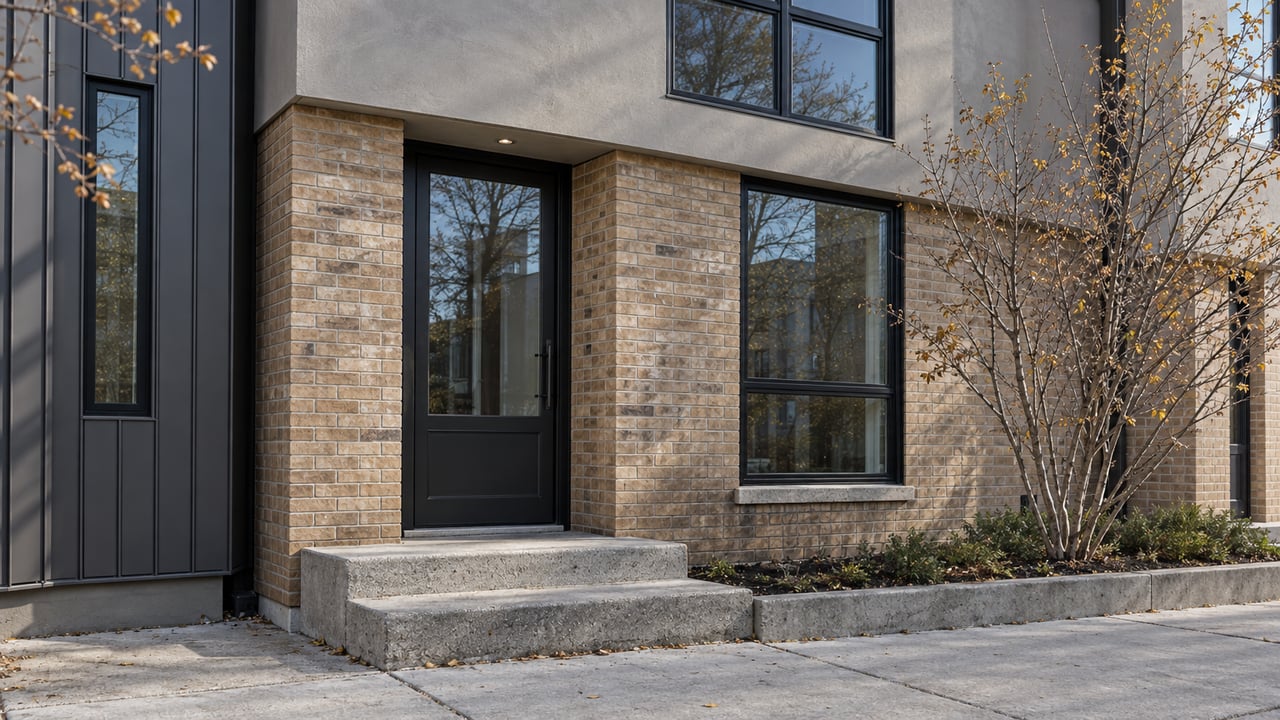
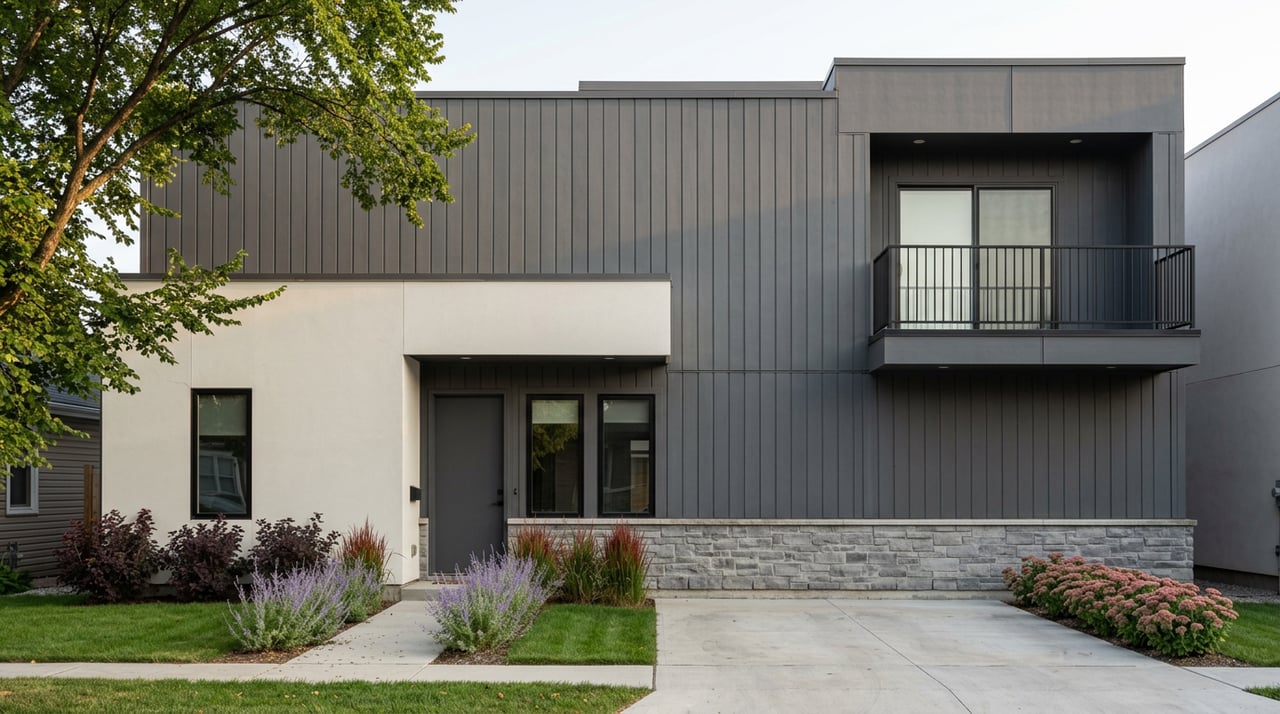
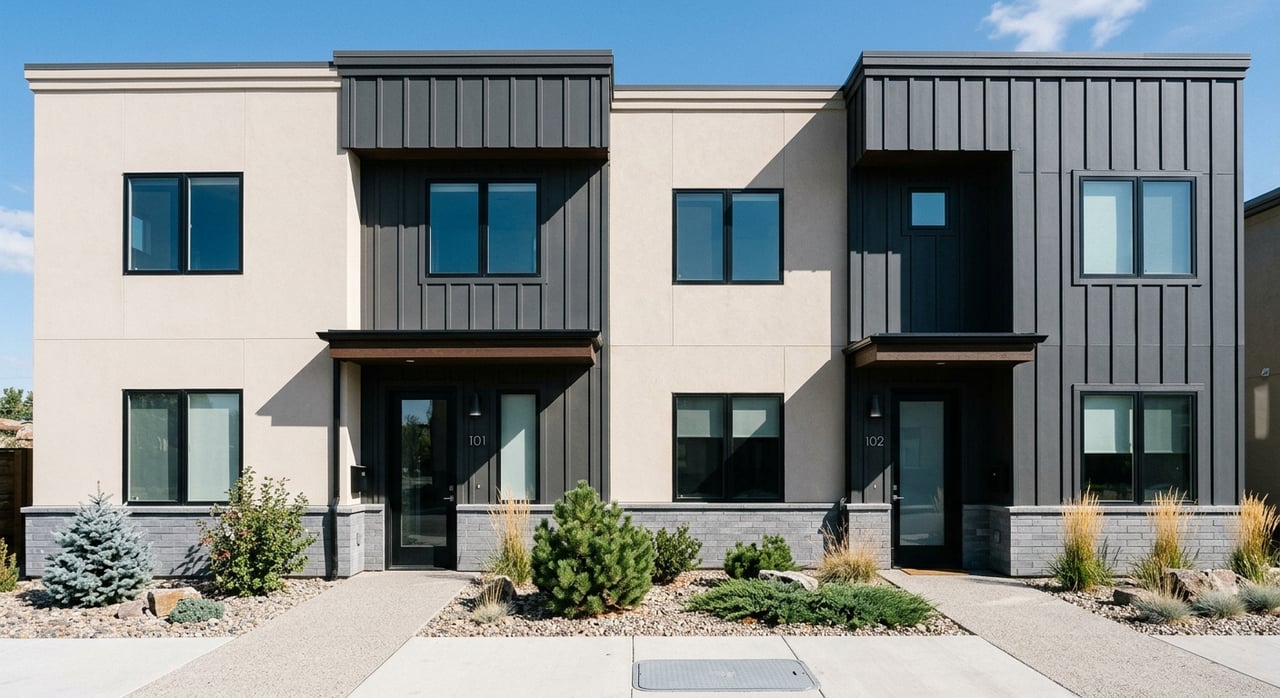
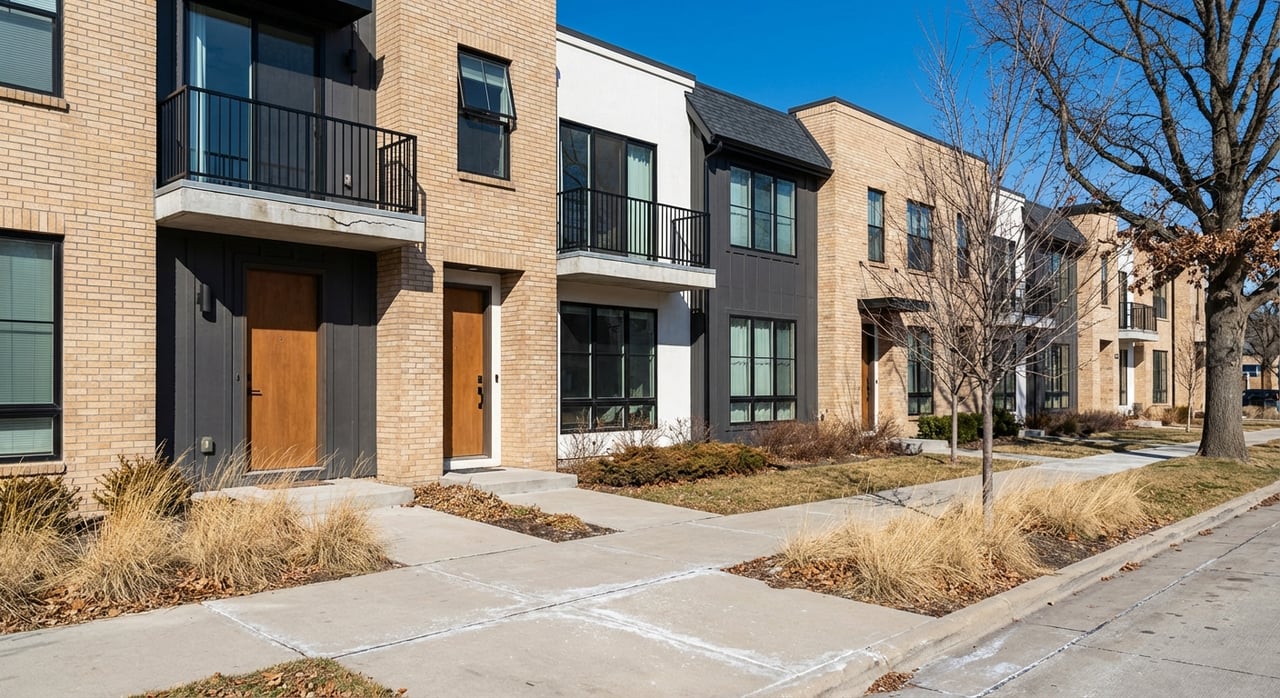
LoHi features newer infill townhomes, contemporary low-rise condos, and rooftop units. Developers built heavily here in the 2010s and 2020s, so you will often find modern finishes, attached garages, and private outdoor spaces. Townhomes in LoHi tend to list higher than older low-rise condos due to finish and rooftop premiums.
Highlands homes
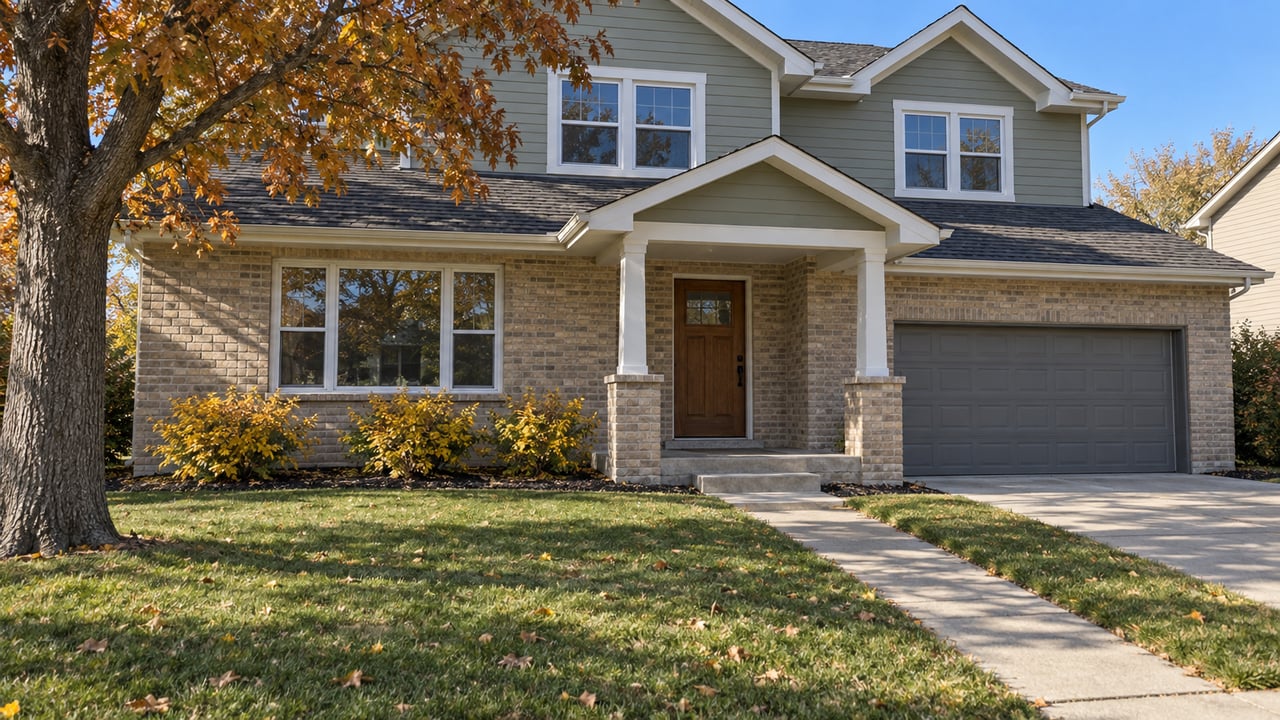
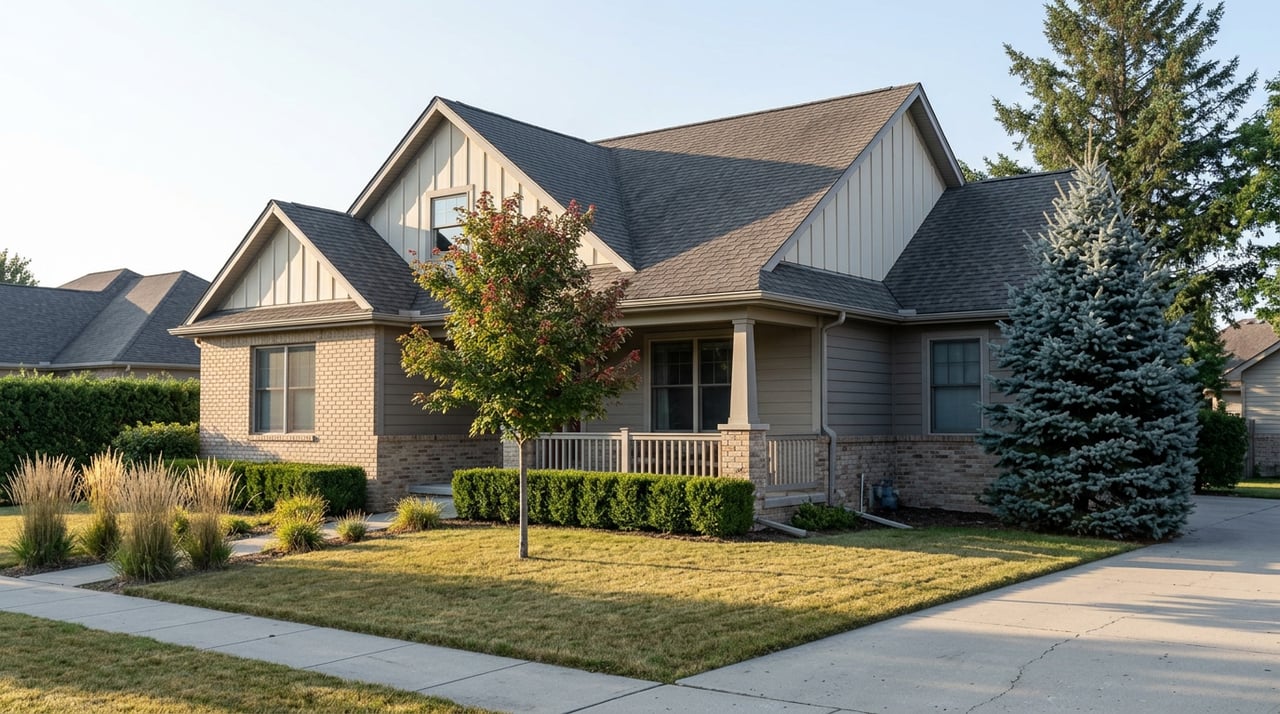
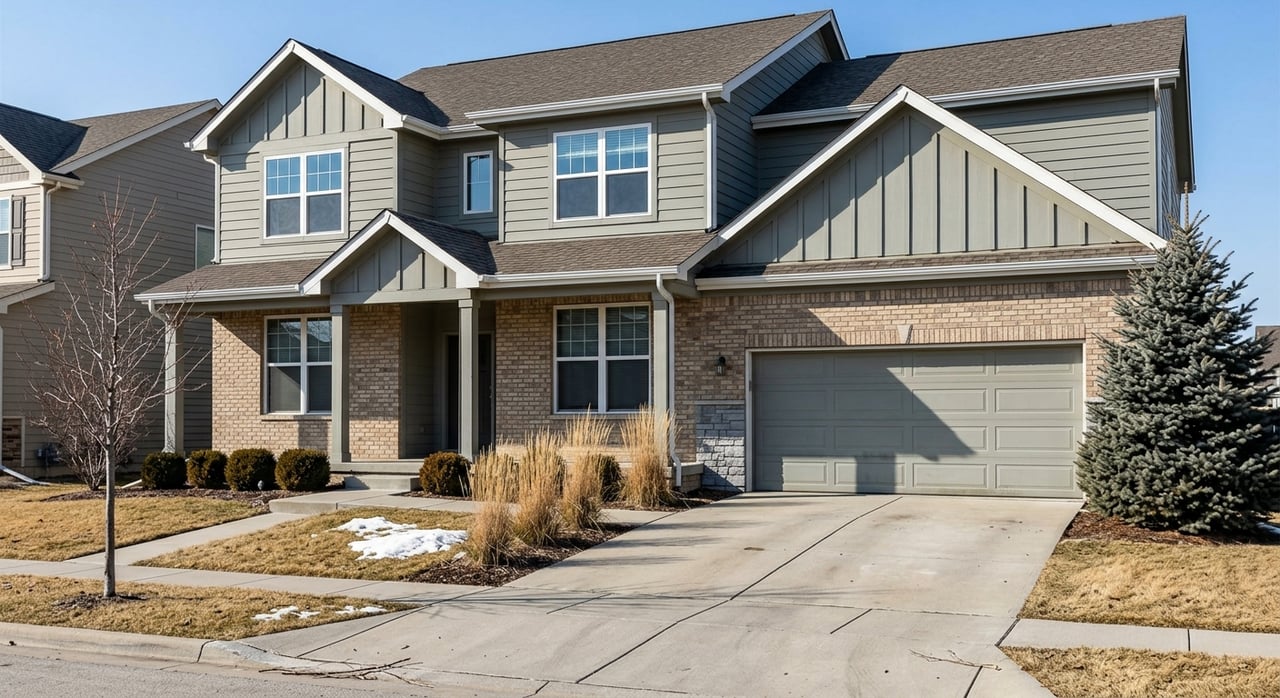
The broader Highlands mixes historic single-family homes with smaller condo and townhome communities near retail corridors. Attached homes here lean low-rise with simpler amenity packages compared with downtown towers. Buyers pick the Highlands to balance urban access with a more residential environment.
Prices and rents right now
Market medians differ by data provider and change month to month, so treat these as snapshots. Always confirm with current comps when you are ready to act.
- Downtown and LoDo: Redfin’s January 2026 Downtown median landed around the mid to low 600s, while Realtor’s December 2025 snapshot reported a similar band near the high 500s to low 600s. You can review Redfin’s January 2026 Downtown median and Realtor’s December 2025 Downtown overview for context. Rent feeds show central Downtown one-bedrooms commonly around 1,700 to 2,500 per month, with Realtor’s December 2025 median near 2,300 per month.
- LoDo and LoHi: Vendor medians span roughly the low 500s to the high 700s and higher depending on unit type. Smaller lofts can trade in the mid 300s, and penthouses can exceed one million. Rents in LoDo and LoHi often sit above Denver’s citywide average, with some feeds printing near 2,900 per month for LoDo in late 2025, though one-bedroom units in specific buildings can be lower.
- Highlands: During 2025, multiple vendor feeds reported medians in a broad 770,000 to 870,000 range across the Highlands submarkets. Typical rents across the larger Highlands area often run 1,700 to 2,300 per month, with LoHi pockets commanding a premium.
Key takeaway: downtown cores and LoHi price per square foot usually run higher for newer or view-driven product. Highlands ownership often tilts more toward lifestyle and long-term equity than pure cash flow.
HOA, insurance, and what to scrutinize
Typical HOA ranges
Association dues vary by building scale and amenities. In Denver, townhome HOAs often run about 200 to 400 per month. Condo and high-rise HOAs commonly fall in the 300 to 600 plus per month range, and luxury towers can exceed 1,000 per month. Fees reflect services like concierge, pools, master insurance, and included utilities. Always compare what is covered.
Insurance and reserve pressure
Colorado condo and HOA communities have seen rising master-policy premiums and deductibles. That can push dues higher and trigger special assessments in some buildings. Local reporting highlights the impact on fees and values, so make insurance and reserves a top checklist item. See recent context in this Denver Post coverage of HOA insurance pressures.
Documents to request
Colorado’s Common Interest Ownership Act gives buyers access to key association records. Ask for the declaration and bylaws, current budget, reserve study, insurance certificate, assessment history, minutes for the past year, and the owner-occupancy breakdown. Review the statute overview at Colorado’s CCIOA reference page.
Financing and rental rules you must know
Warrantable vs non-warrantable condos
Conventional and government loans look at the building, not just your unit. Projects with high investor concentration, significant commercial space, weak reserves, delinquencies, or active litigation may be considered non-warrantable, which can limit loan options or raise rates. Ask your lender to check Fannie Mae’s Condo Project Manager and, for FHA, HUD’s condominium guidance early in your search.
Short-term rentals in Denver
Denver requires short-term rental licensing and lodger’s tax registration, and licenses are tied to primary residences. Even if the city allows licensing, HOA rules can prohibit or restrict rentals. Always confirm the building’s rental caps and minimum lease terms before underwriting any rental income. You can read the city’s licensing and tax overview on the Denver Treasury Business Tax page.
Investor lens: what the math says
Rents and prices shift by building and finish level, so run unit-by-unit numbers. The quick examples below are gross yields that do not include HOA dues, taxes, insurance, management, or vacancy.
- Downtown example: Using Realtor’s December 2025 Downtown median price near 615,000 and median rent around 2,300 per month, the gross yield is about 4.5 percent. Check the Realtor Downtown overview for context.
- LoDo and LoHi example: With prices around the mid 600s and rents in the 2,500 to 3,000 range, gross yields can pencil near 4.5 to 5.5 percent depending on unit size and building.
- Highlands example: With broader Highlands medians around 770,000 to 870,000 and typical rents near 2,000 per month, gross yields often land closer to 2.8 to 3.2 percent. Many buyers here are prioritizing lifestyle and long-term appreciation.
Denver’s recent construction pipeline delivered a lot of luxury rentals, and vacancy patterns vary by product class. For broader market context, see this Denver multifamily snapshot. As a small investor, you should build a net yield model that includes HOA, insurance, taxes, maintenance, and realistic vacancy before you write an offer.
Which neighborhood fits you?
- Choose Downtown if you want the most urban experience, elevator living, amenities in-building, and the fastest access to rail and events. This works well for first-time buyers who value time savings and a lock-and-leave setup.
- Choose LoHi if you want a smaller building or a newer townhome near top dining and nightlife, and you enjoy rooftop decks and quick access to Union Station via the pedestrian bridge.
- Choose the Highlands if you prefer a quieter, residential feel near neighborhood retail, and you want a broader mix of housing types. This can suit owners who plan to hold long term and prioritize day-to-day livability over maximum rental yield.
Smart next steps
- Get a live comp set. Ask for building-specific sales and rent comps within the past 90 to 180 days for your top three targets.
- Review the HOA early. Request the declaration, bylaws, budget, reserve study, insurance certificate, recent minutes, assessment history, and the owner-versus-renter mix.
- Confirm financing paths. Have your lender check Fannie Mae CPM and any FHA or VA approval needs before you tour.
- Model the net. Build a simple cash flow predicting HOA dues growth, insurance changes, and likely vacancy. You can also compare rent snapshots from trusted sources like Rentometer’s Denver averages to sanity check your assumptions.
If you want help narrowing your options, reviewing HOA documents, or modeling pricing and rents building by building, reach out. With 17 years serving buyers and sellers across central Denver, I will help you compare Downtown, LoHi, and the Highlands with real comps, clear due diligence, and a plan that fits your goals.
Ready to explore units that match your lifestyle and budget? Contact Chriss Bond to start your Denver search today.
FAQs
What is the main difference between Downtown, LoHi, and the Highlands?
- Downtown is Denver’s densest core with high-rise living and strong transit, LoHi is a compact and very walkable dining hub next to downtown, and the Highlands is a larger, more residential neighborhood still close to the city center.
How do condo and townhome HOAs differ in Denver?
- Townhome dues often cover exterior maintenance and common areas with simpler amenities, while high-rise condo HOAs typically cost more because they include staffing, larger amenities, master insurance, and sometimes utilities. Always compare what is covered.
Are short-term rentals allowed in Denver condos near Downtown or LoHi?
- Denver licenses short-term rentals only for primary residences and requires tax registration, and many HOAs prohibit or restrict STRs. Check city rules and the building’s governing documents before assuming rental income.
How can I tell if a Denver condo is warrantable for financing?
- Ask your lender to review the project in Fannie Mae’s Condo Project Manager and check FHA or VA approval status. Buildings with high investor ratios, litigation, or weak reserves can limit conventional or government loan options.
What should I look for in HOA documents when buying in Downtown, LoHi, or the Highlands?
- Review the declaration, bylaws, budget, reserve study, master insurance, recent board minutes, assessment history, and rental rules. Pay close attention to reserves, insurance deductibles, and any planned or recent special assessments.