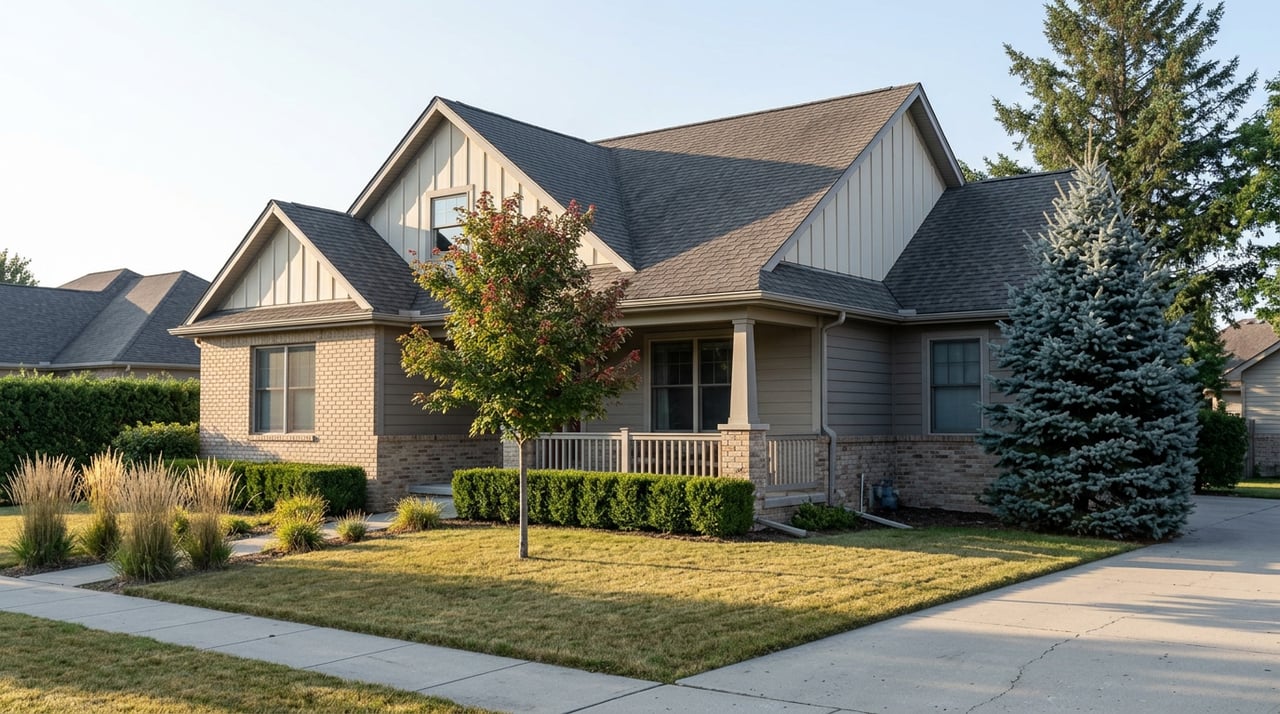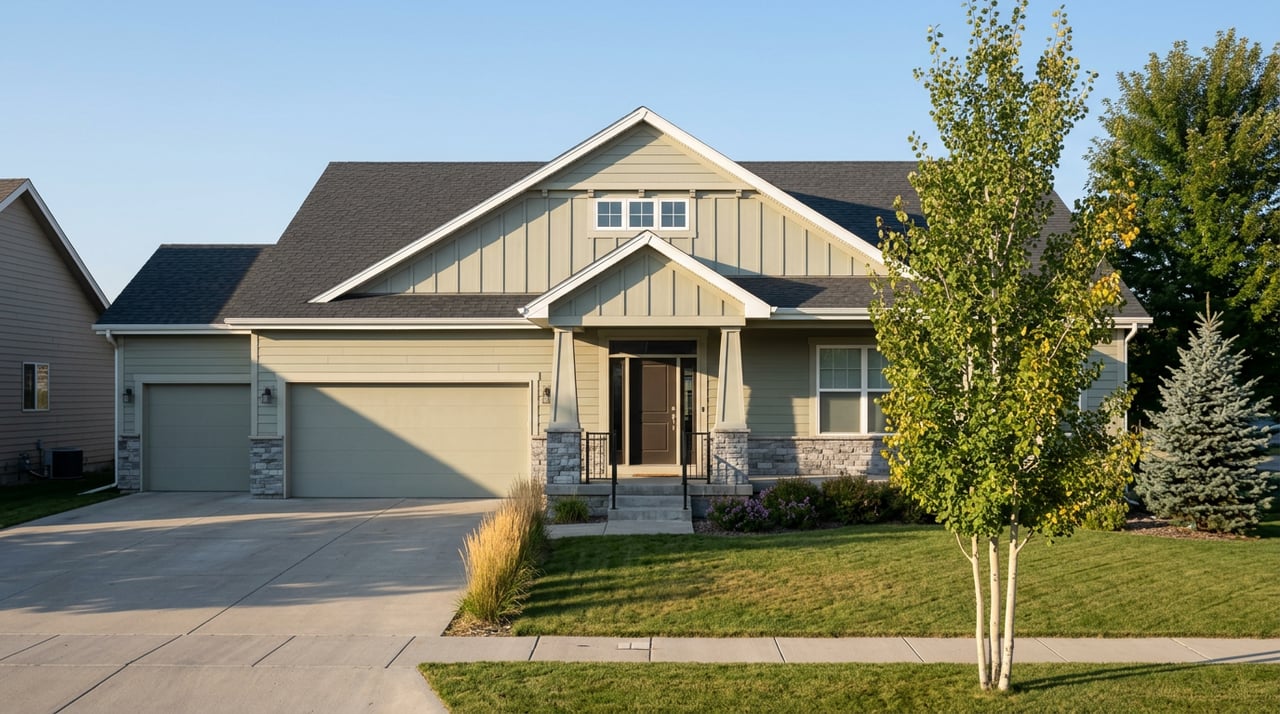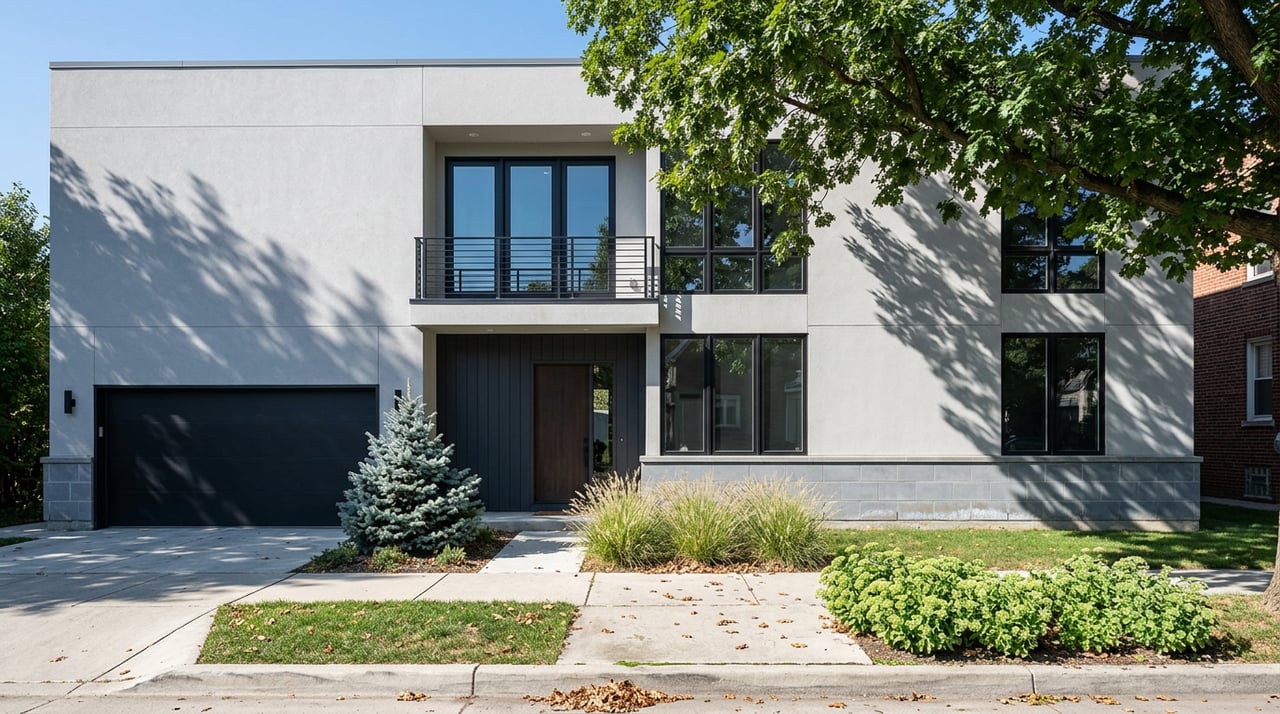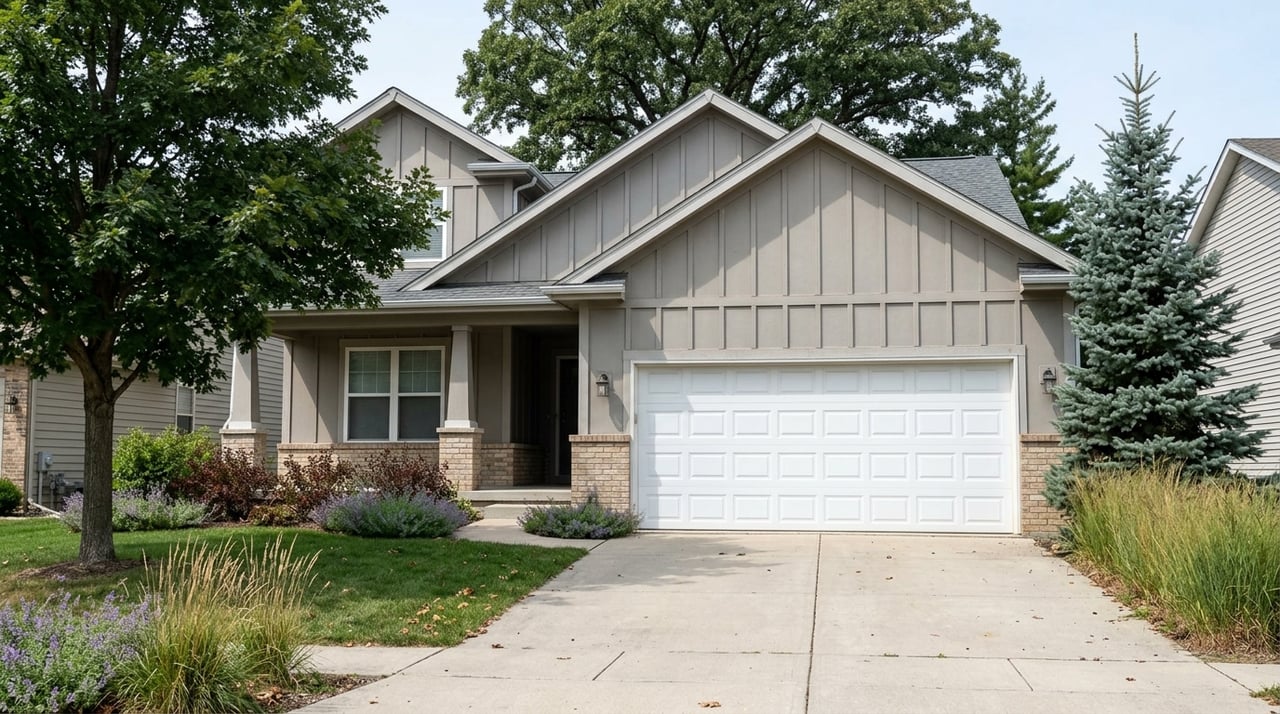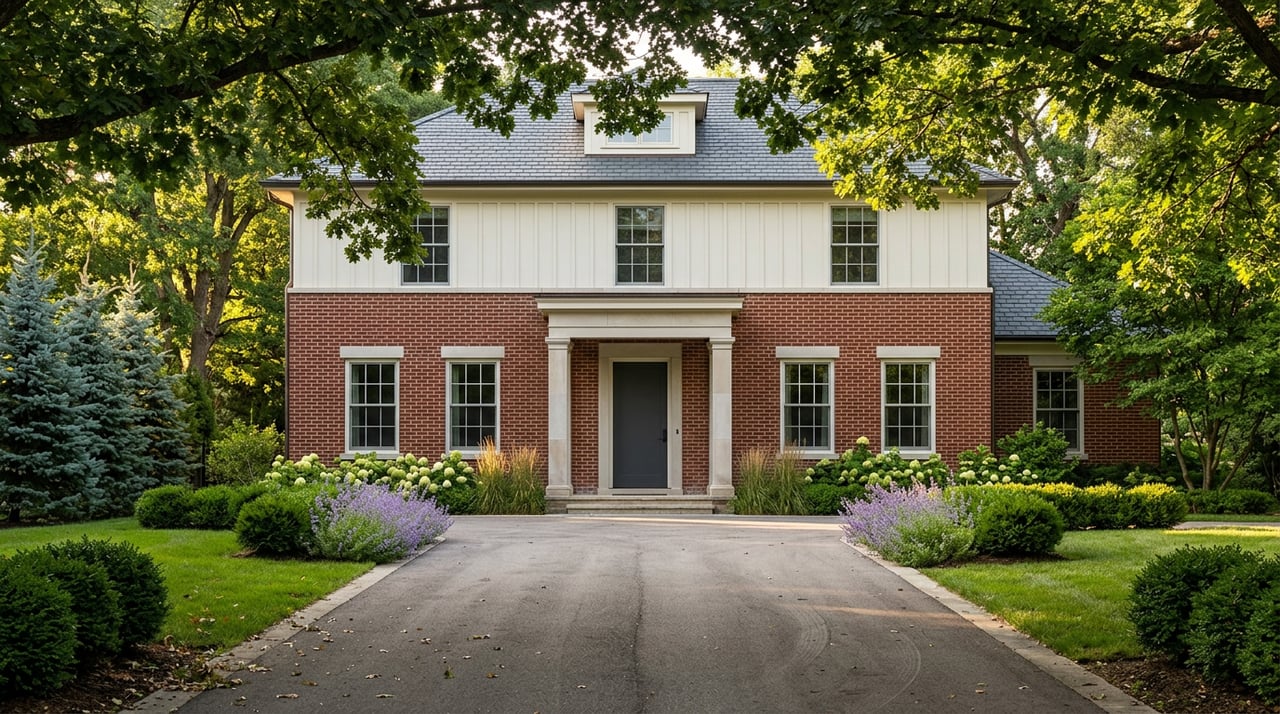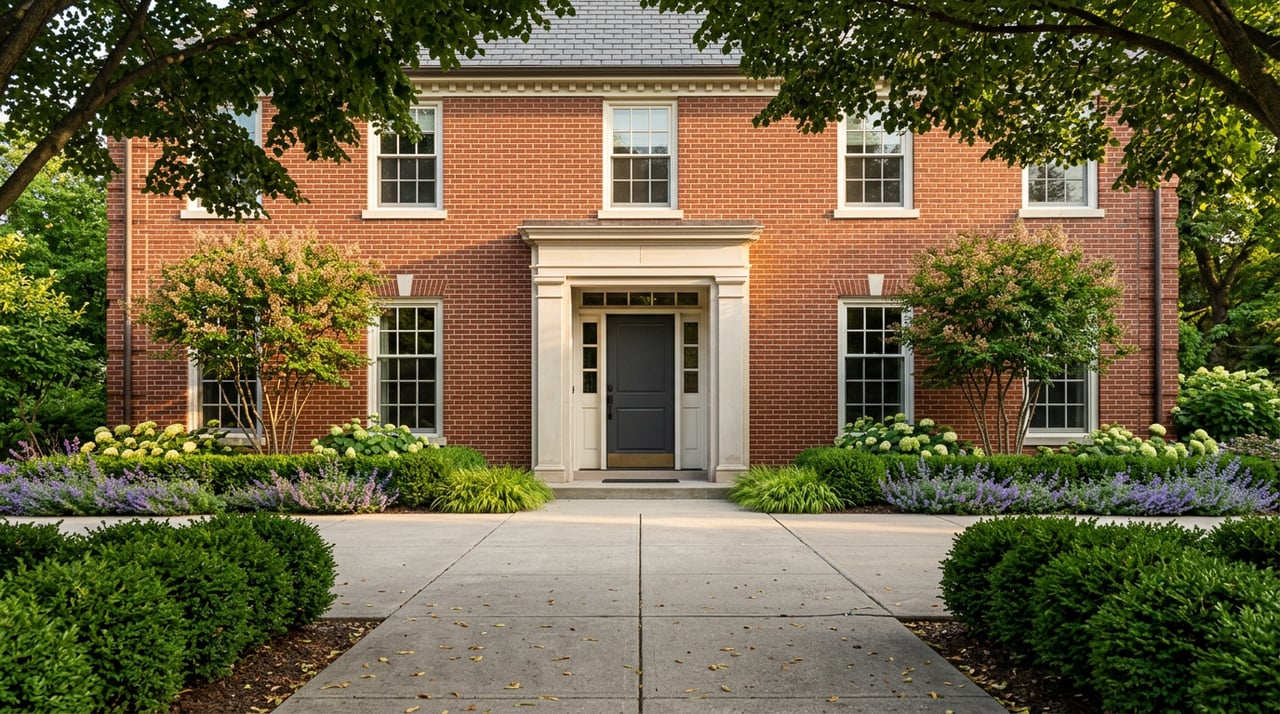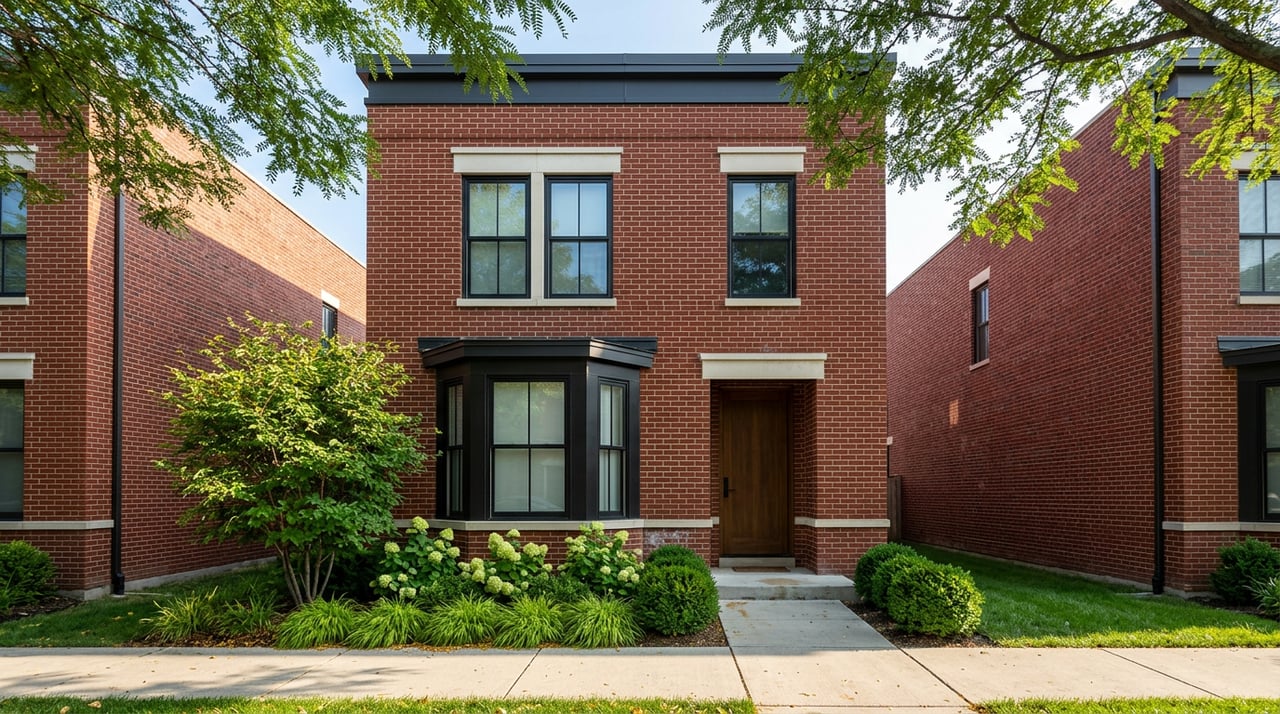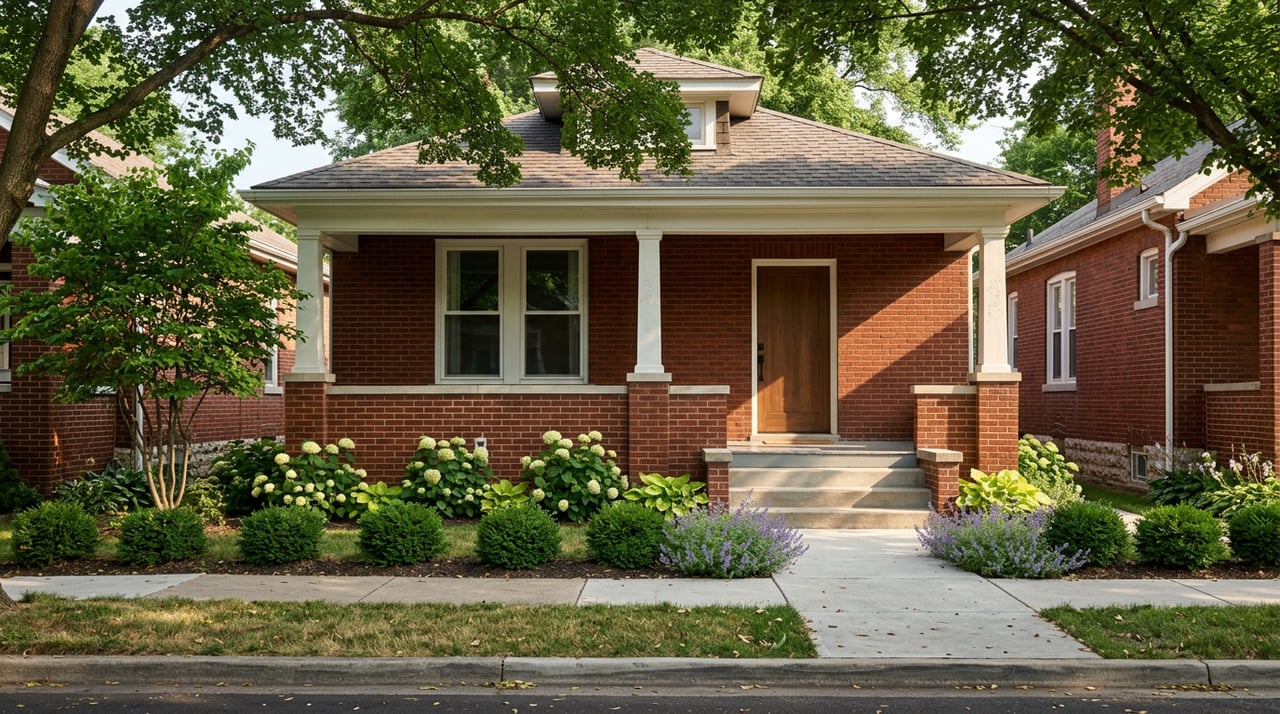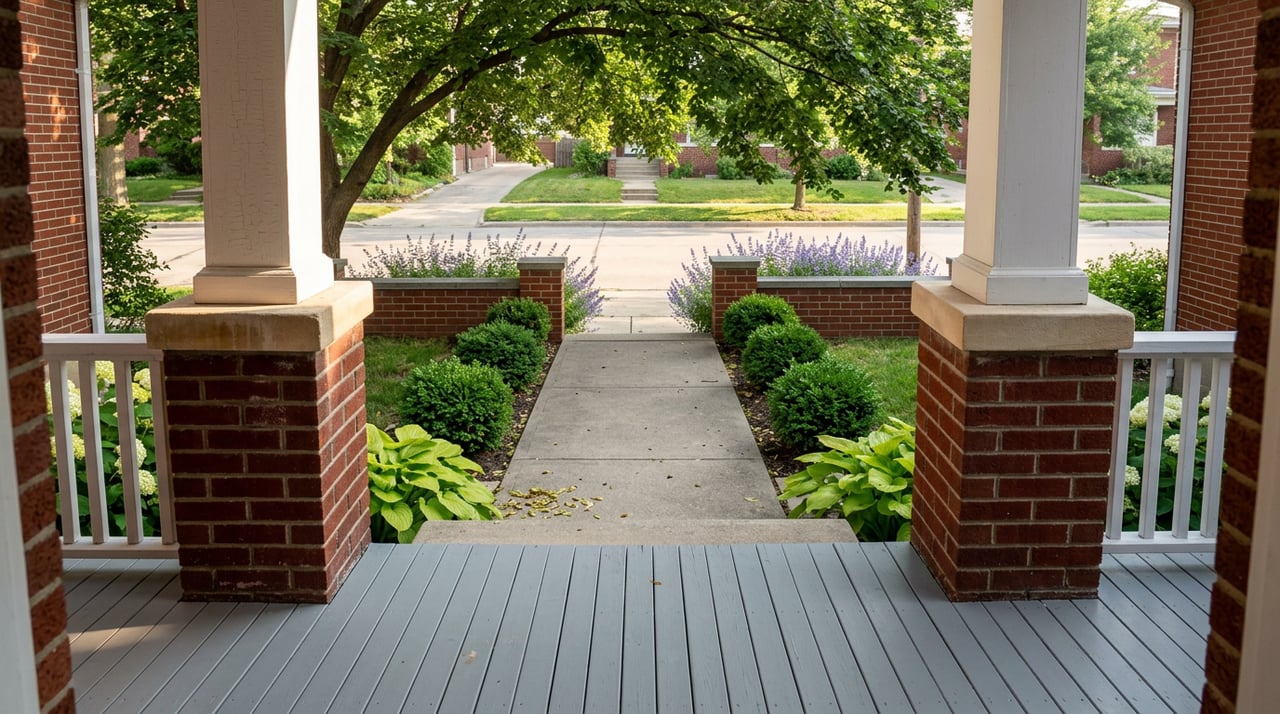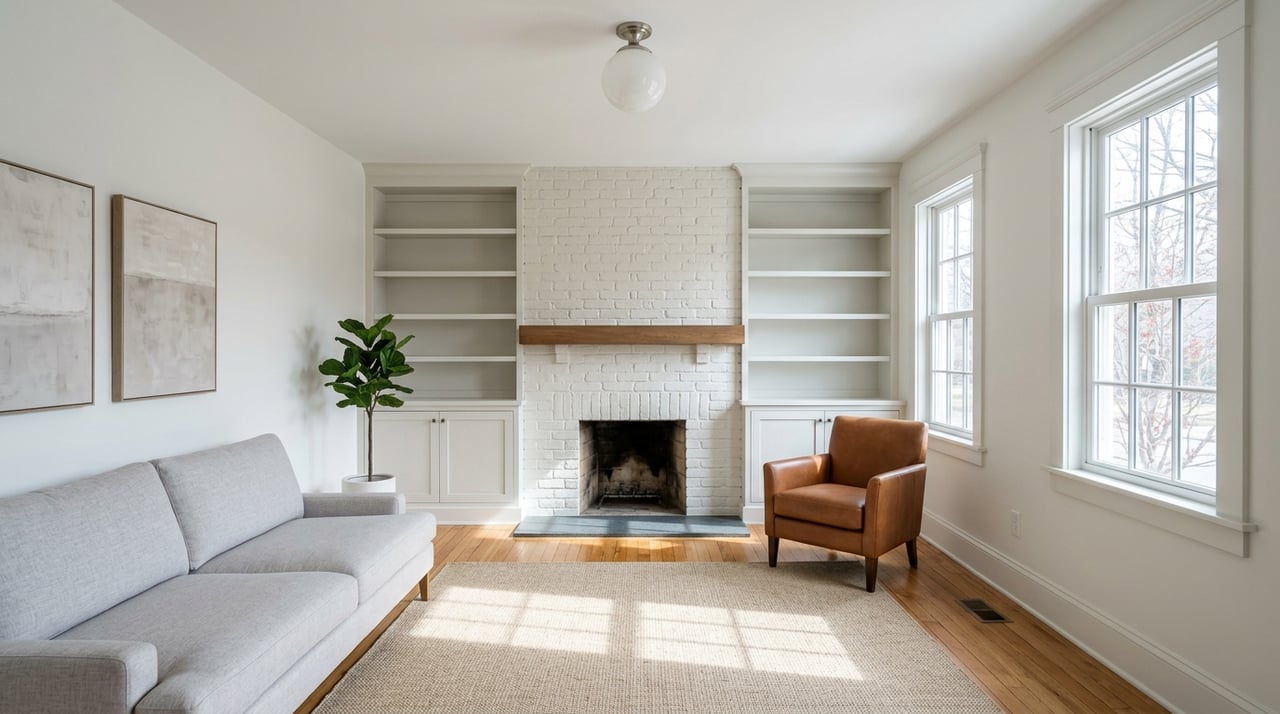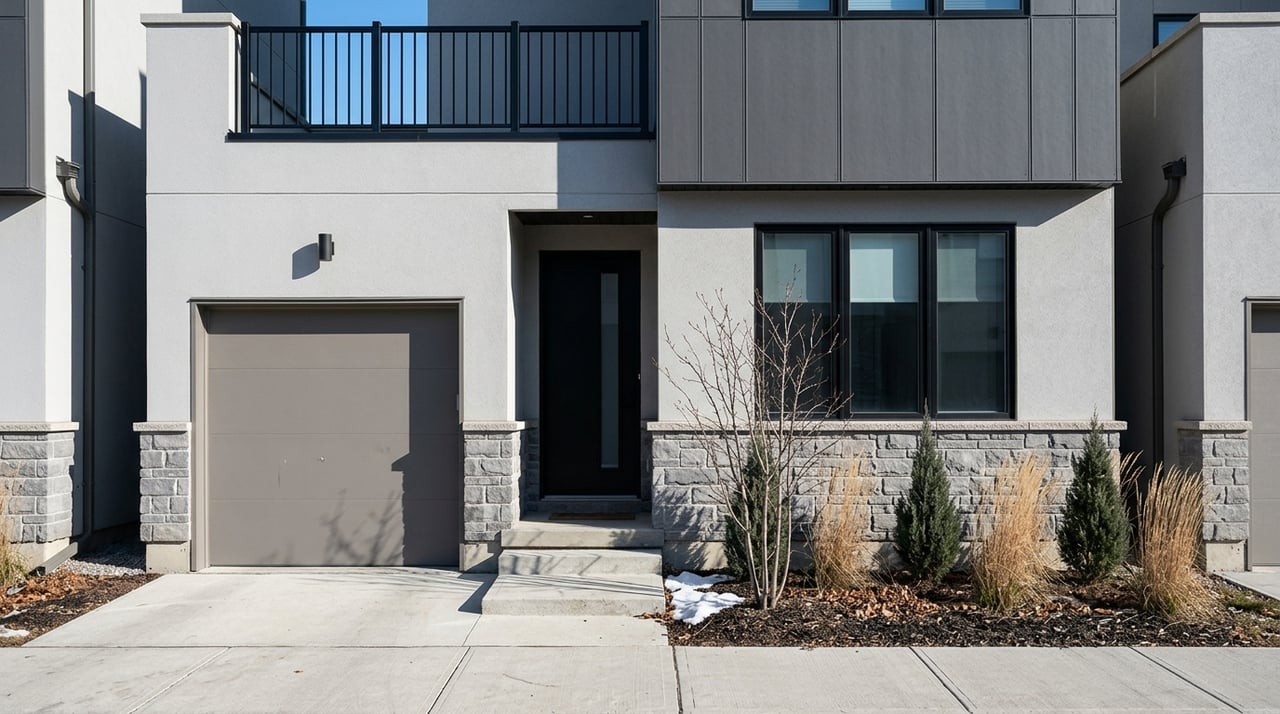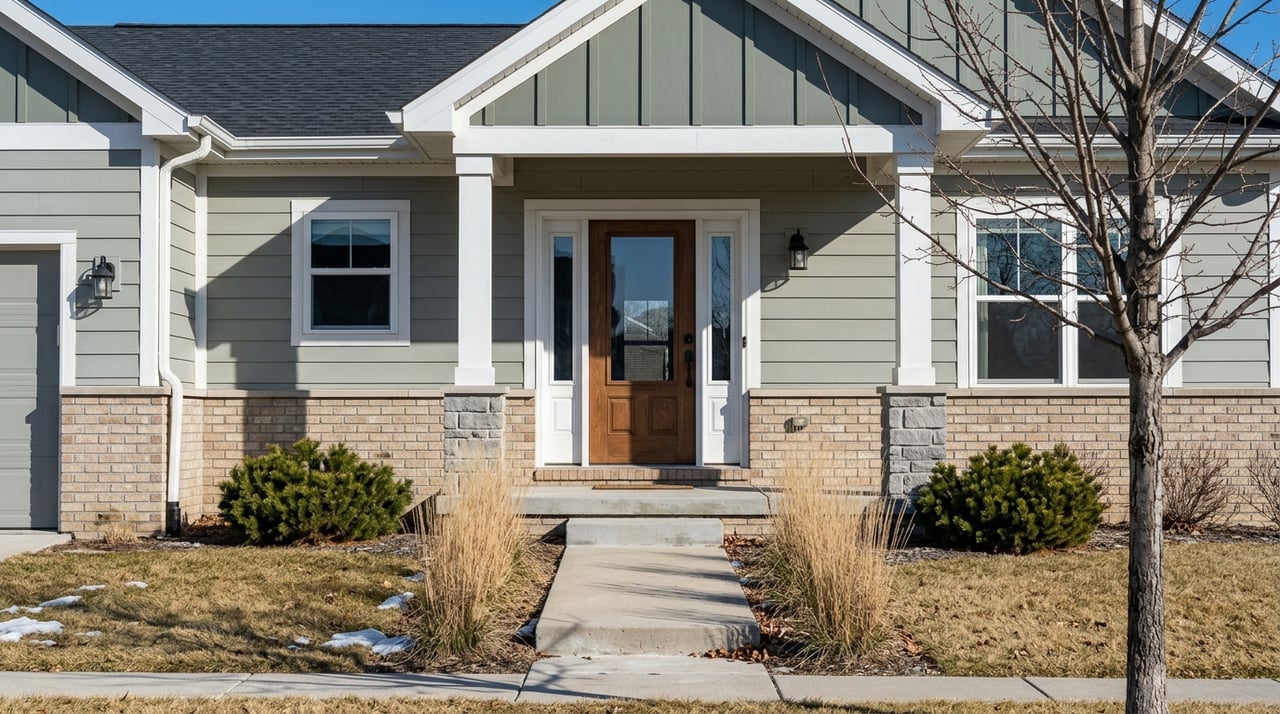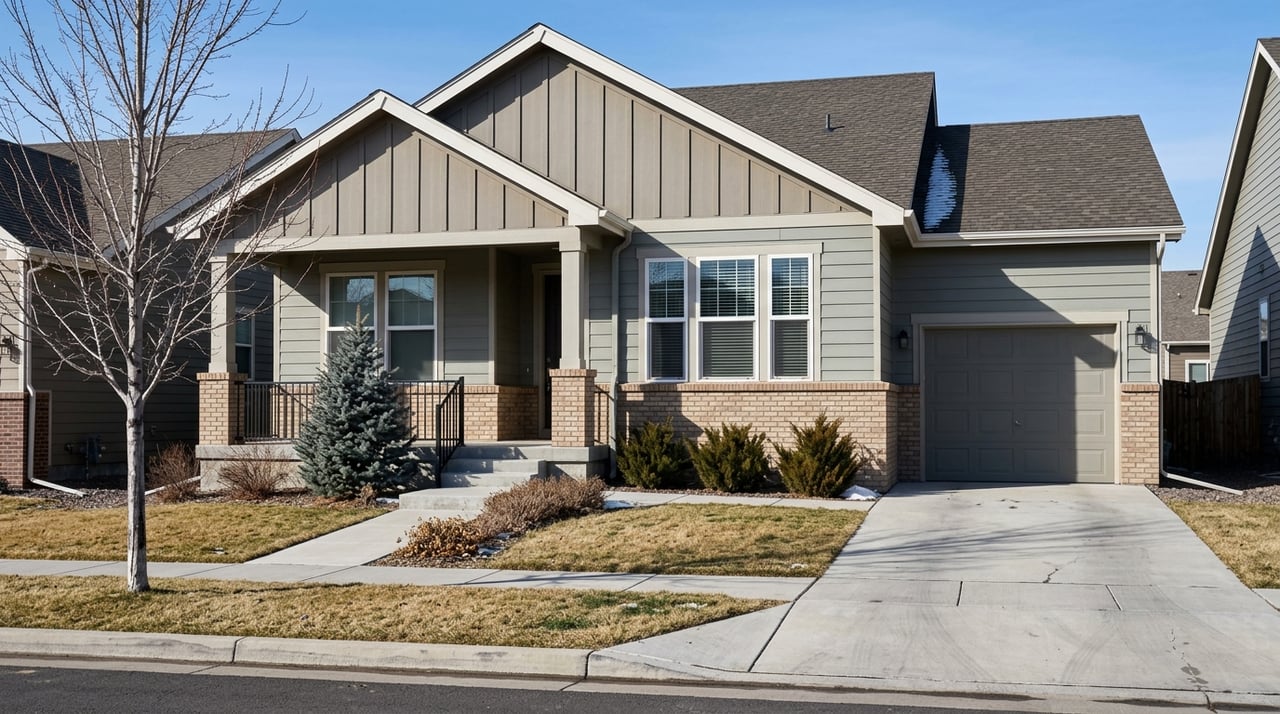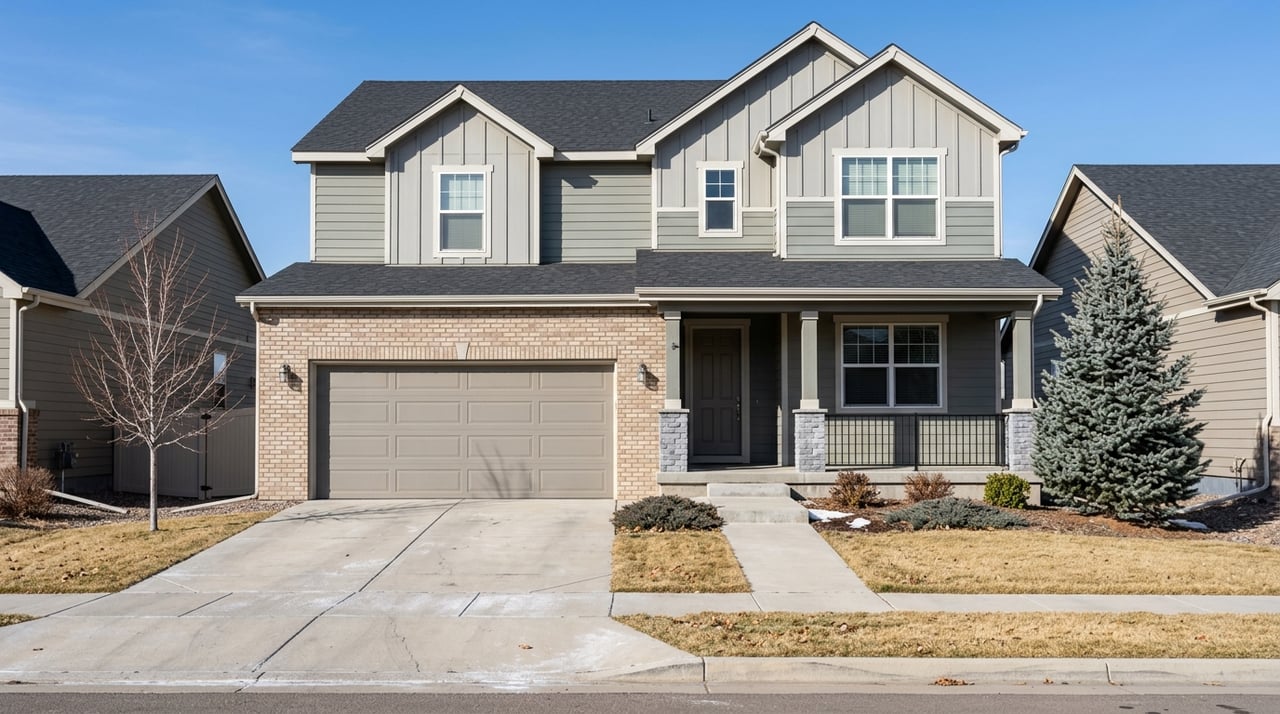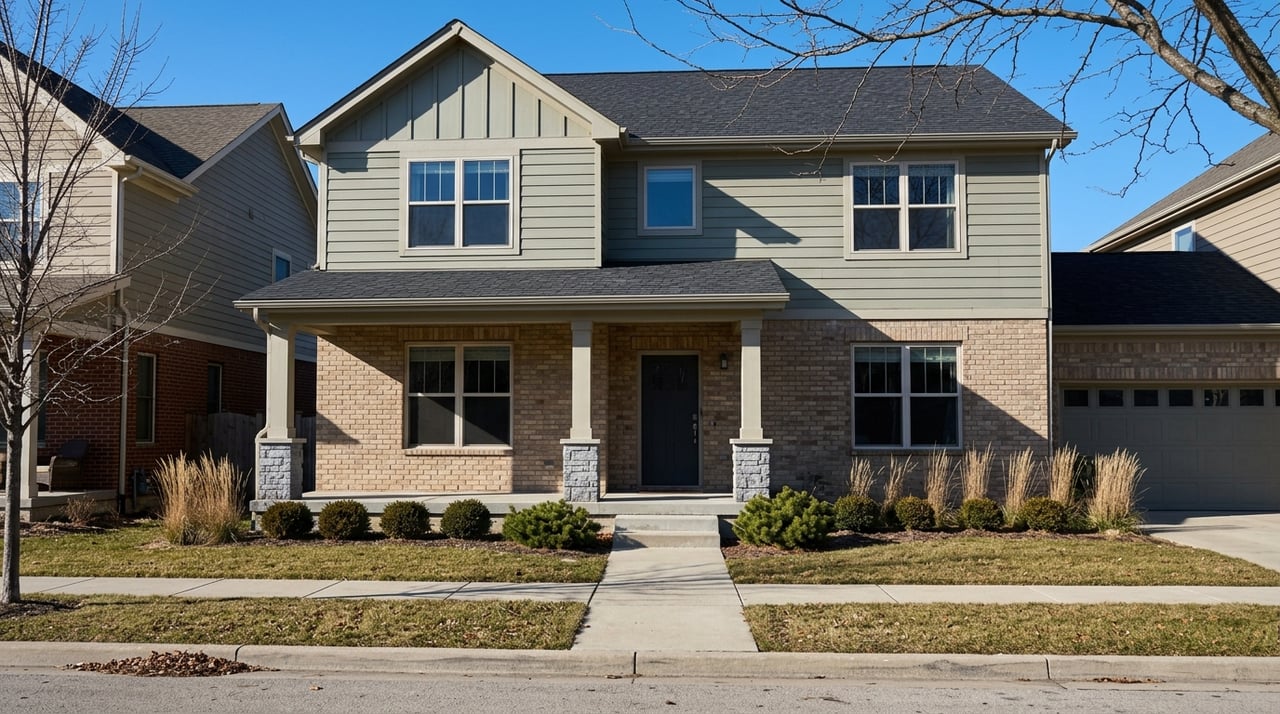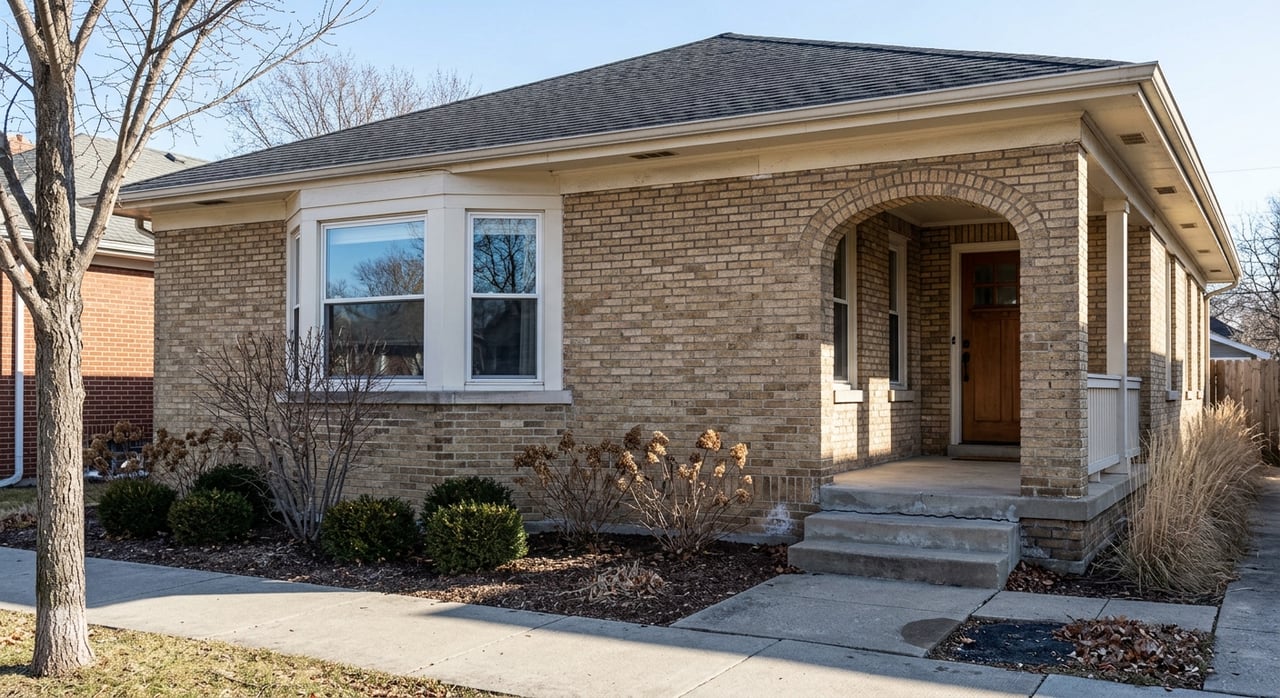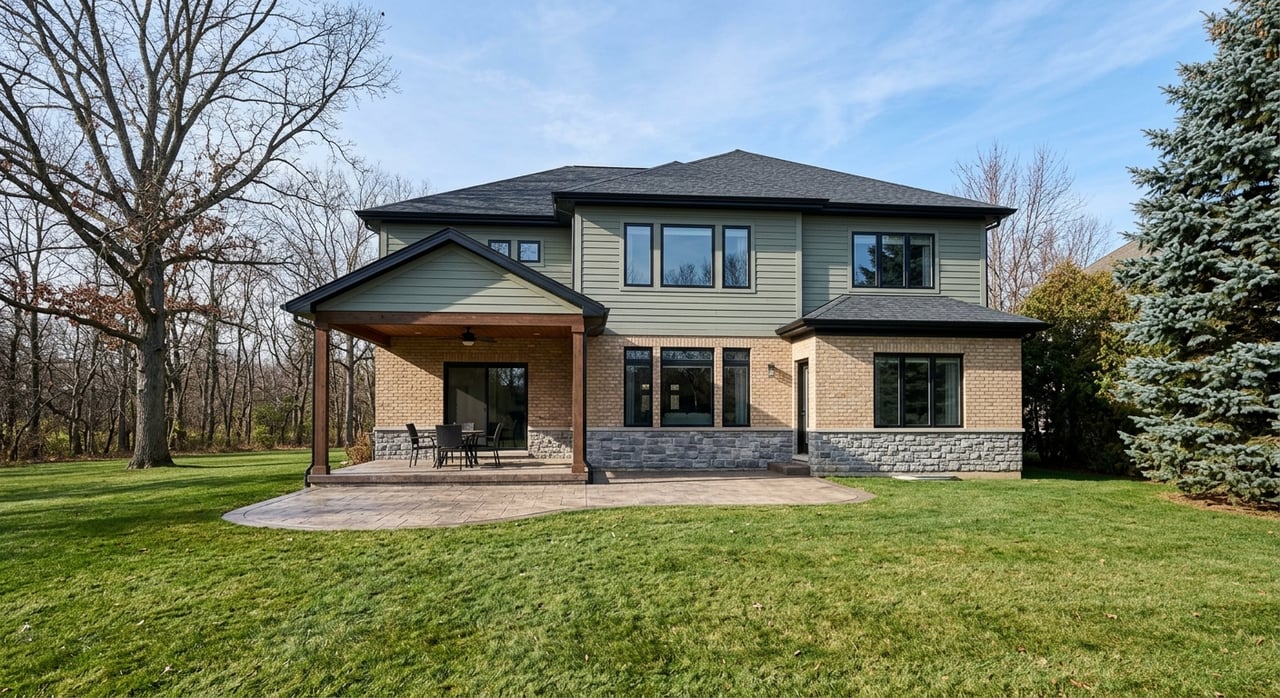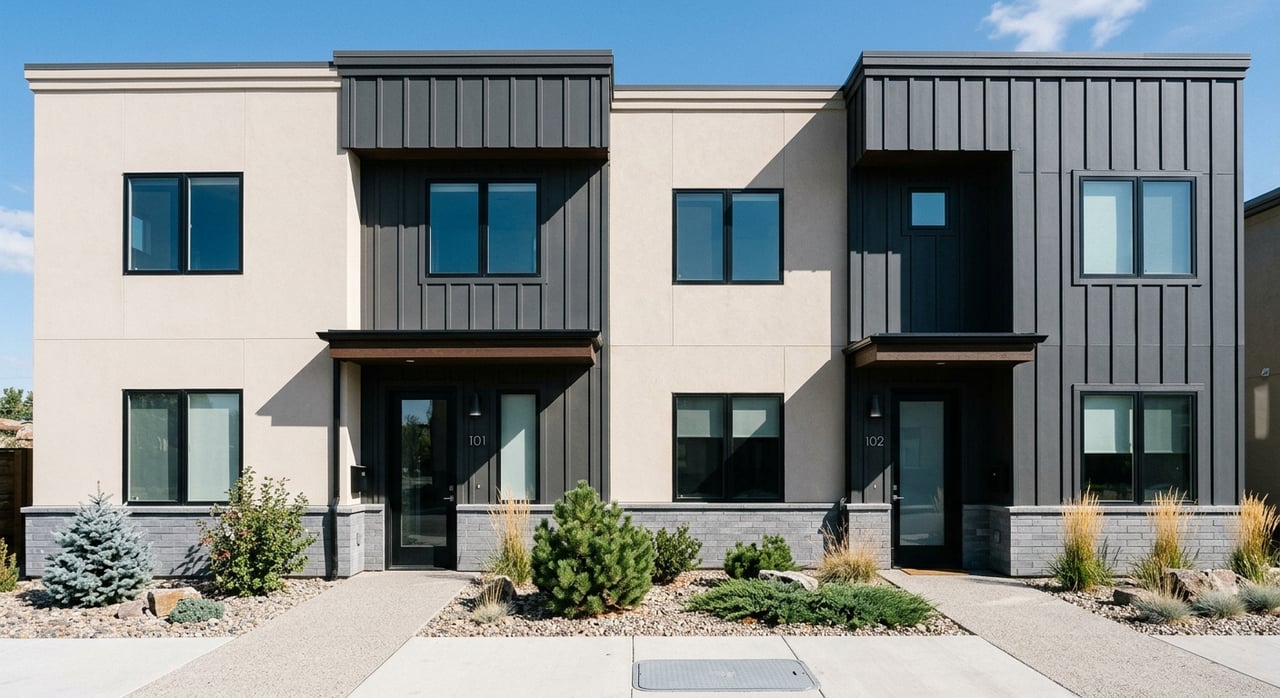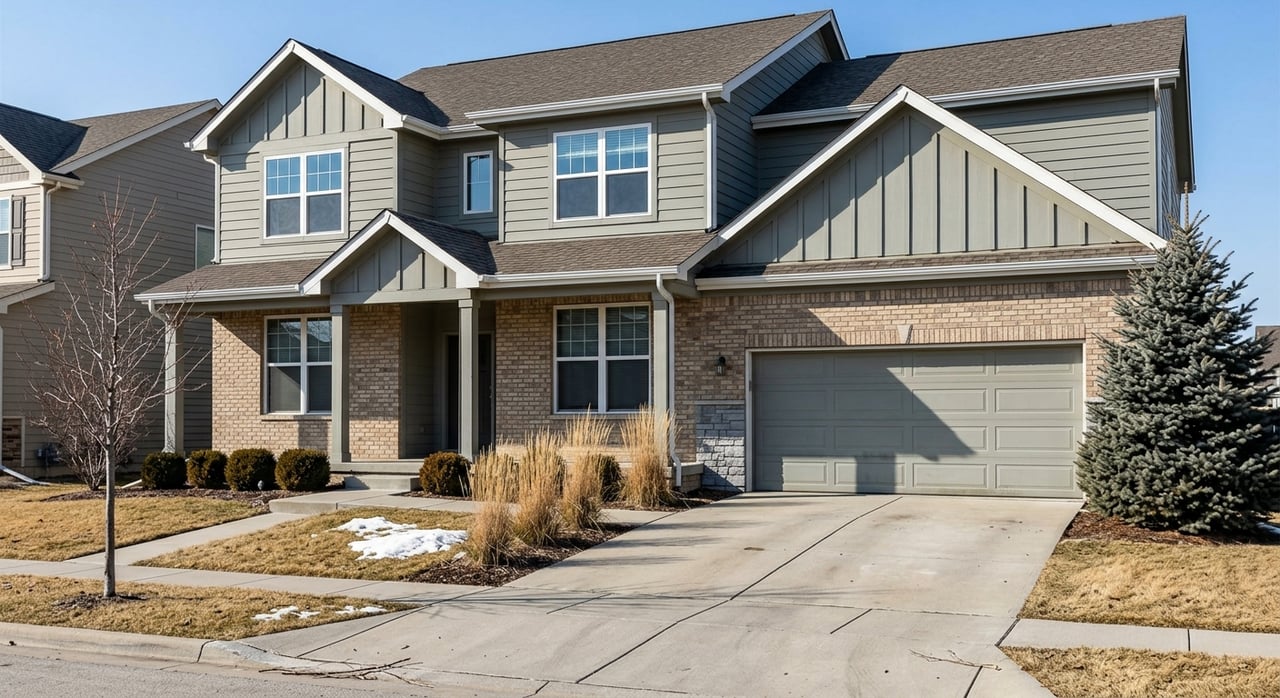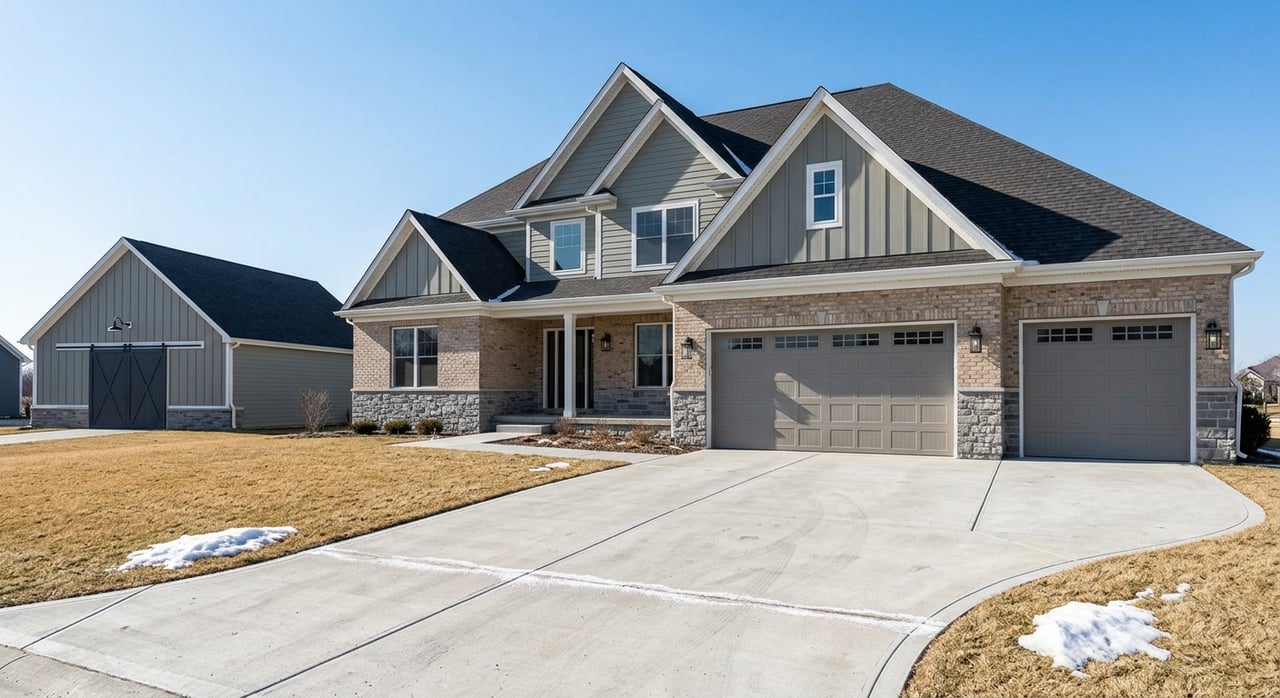
Thinking about moving up in Denver, but not ready to give up an in-town lifestyle? Bonnie Brae and Belcaro stand out for buyers who want more space, a more established setting, and access to some of south-central Denver’s most recognized residential streets. If you are trying to decide whether one of these neighborhoods fits your next chapter, this guide will help you understand pricing, housing options, competition, and the planning steps that matter most. Let’s dive in.
Why move-up buyers target these neighborhoods
Bonnie Brae and Belcaro sit in Denver’s premium south-central housing corridor, and both appeal to buyers who want to stay close to the city while gaining more home. That combination is a big reason move-up buyers keep coming back to these two neighborhoods.
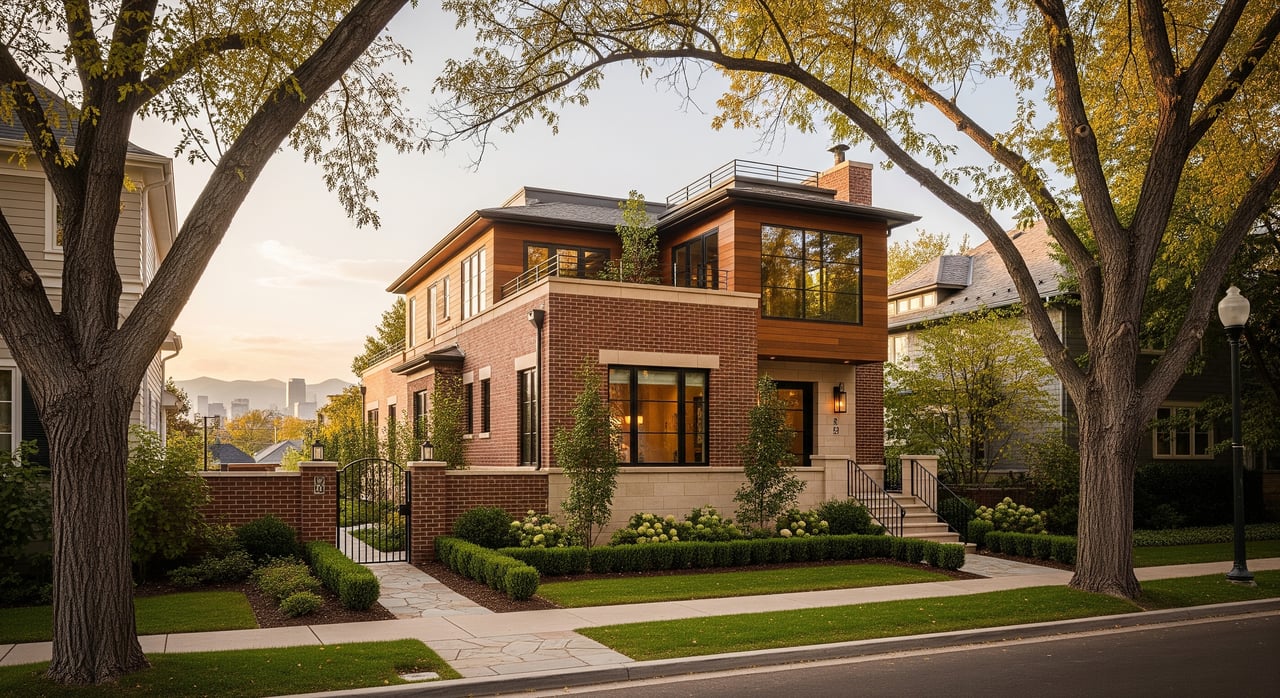
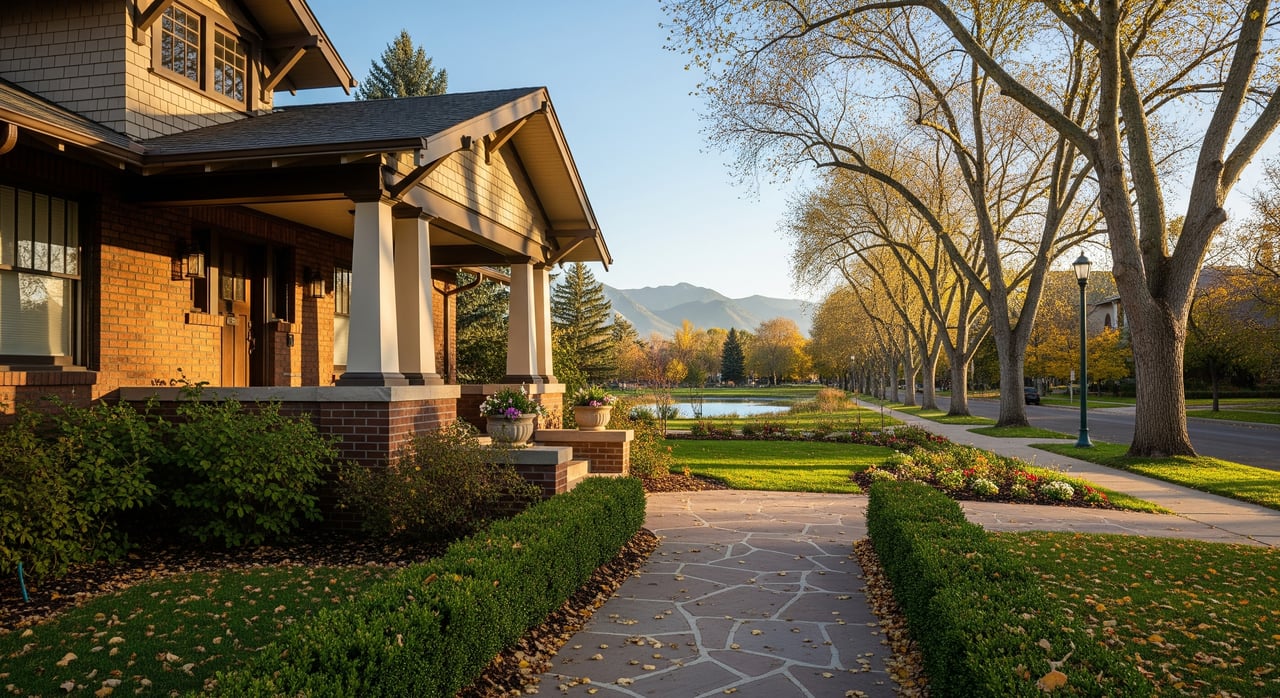
Bonnie Brae has roots in the 1920s and was planned around curving streets and Bonnie Brae Park. The neighborhood grew house by house over time, which helps explain why you see a broad mix of architectural styles instead of one uniform look.
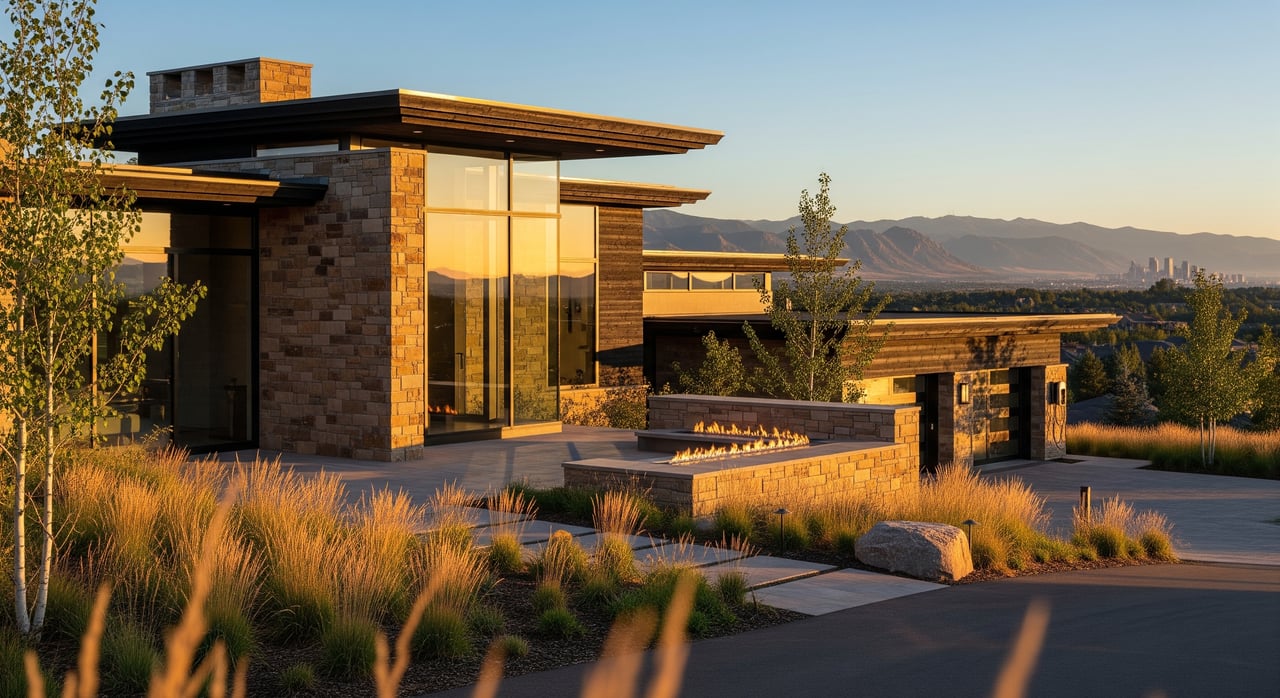
Belcaro has a different feel. It grew around the Phipps estate and is now known for larger ranch homes, custom builds, and larger lots, with convenient access to Washington Park, Cherry Creek, and the Cherry Creek Trail along its northern edge.
For many buyers, the appeal is simple. You get a more settled, central neighborhood feel without moving out to a newer subdivision, and you can often find homes with more square footage, updated layouts, or more land than you may have in your current Denver home.
Bonnie Brae home styles and lot patterns
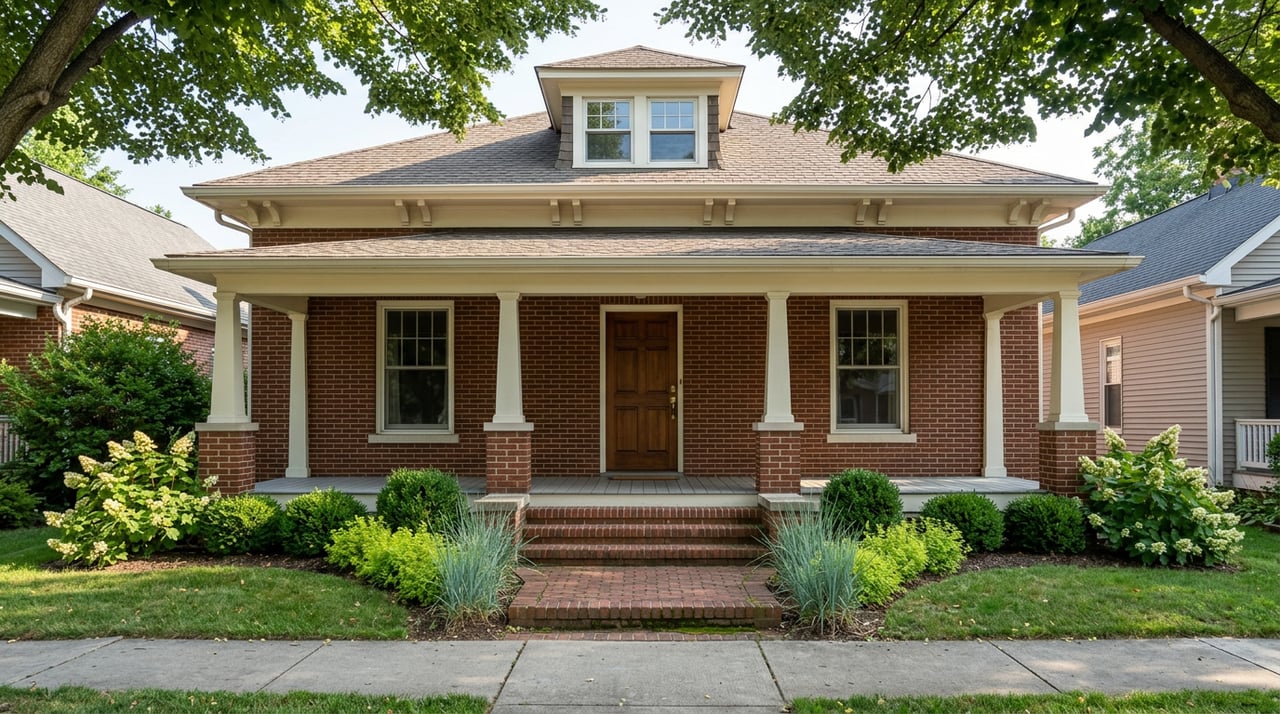
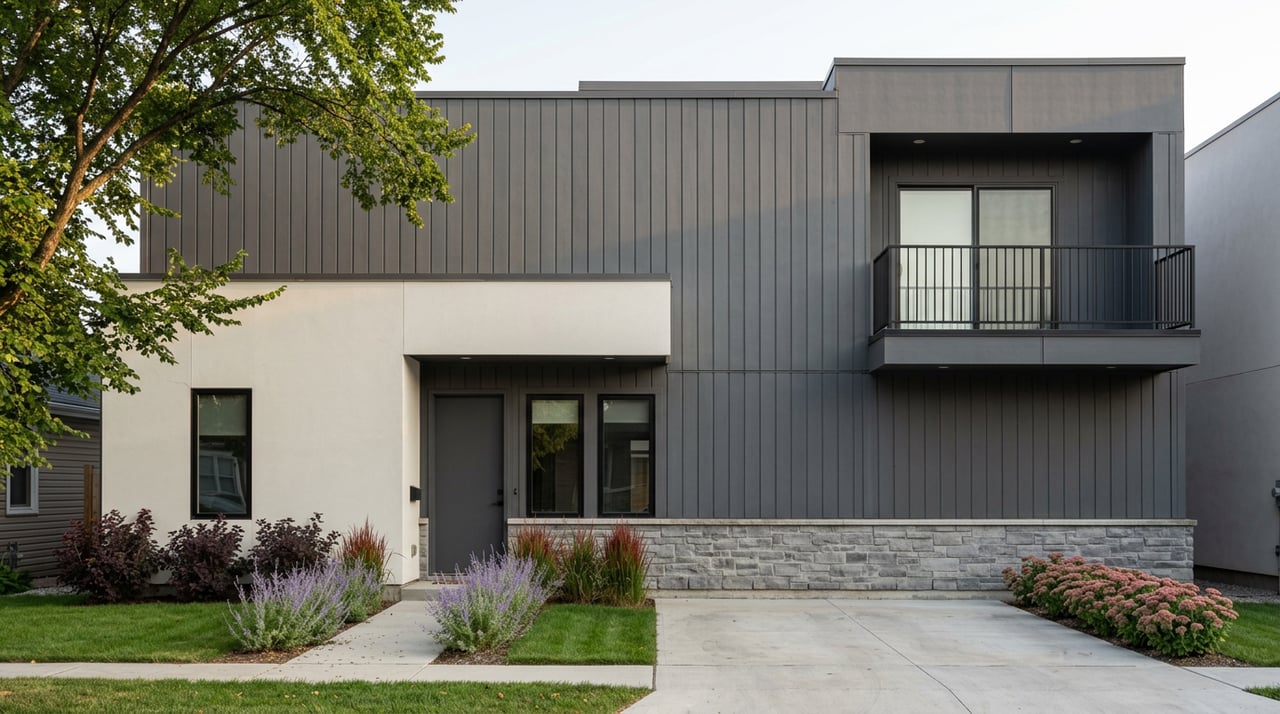
Bonnie Brae offers one of the more varied move-up buying experiences in central Denver. Current inventory shows everything from original older homes to renovated properties and brand-new custom construction.
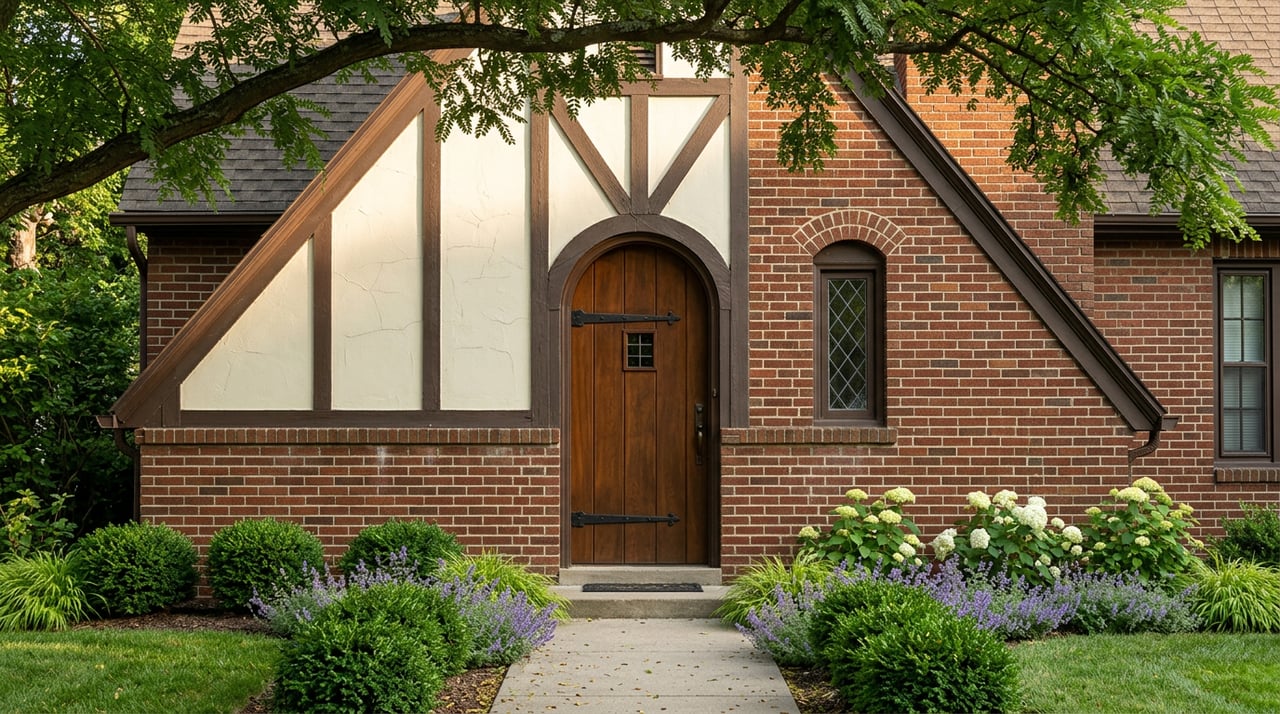
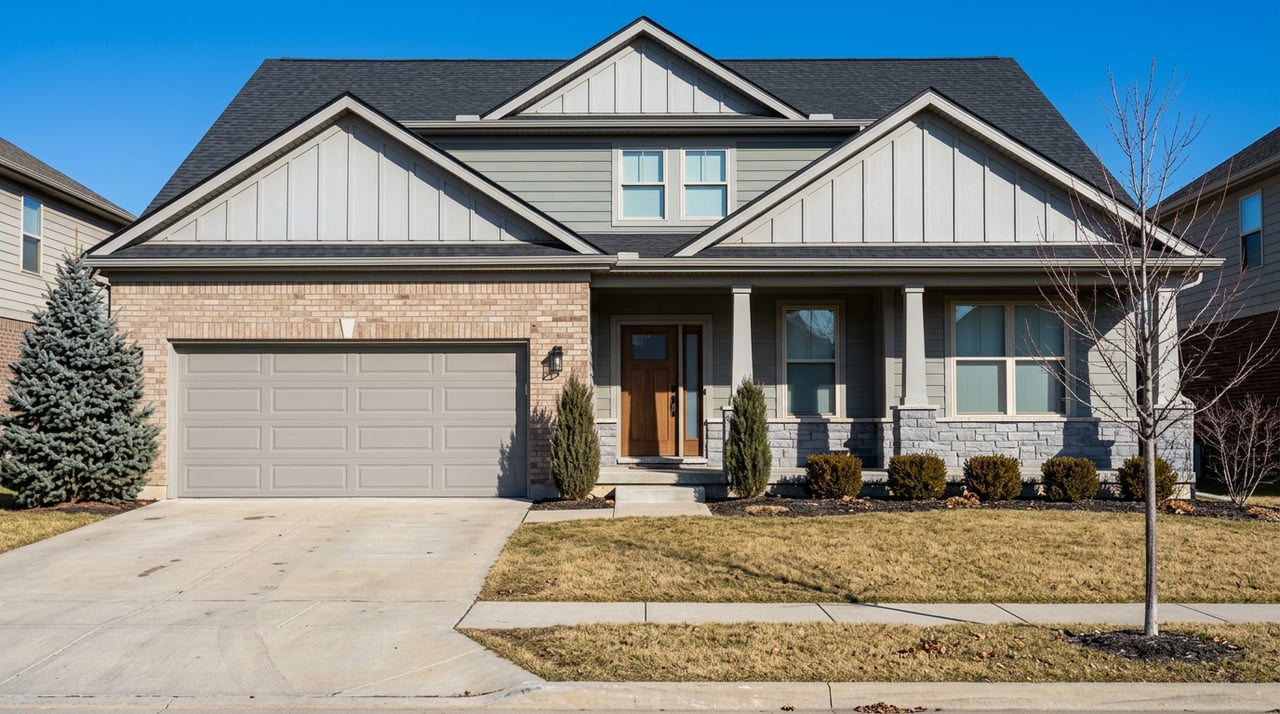
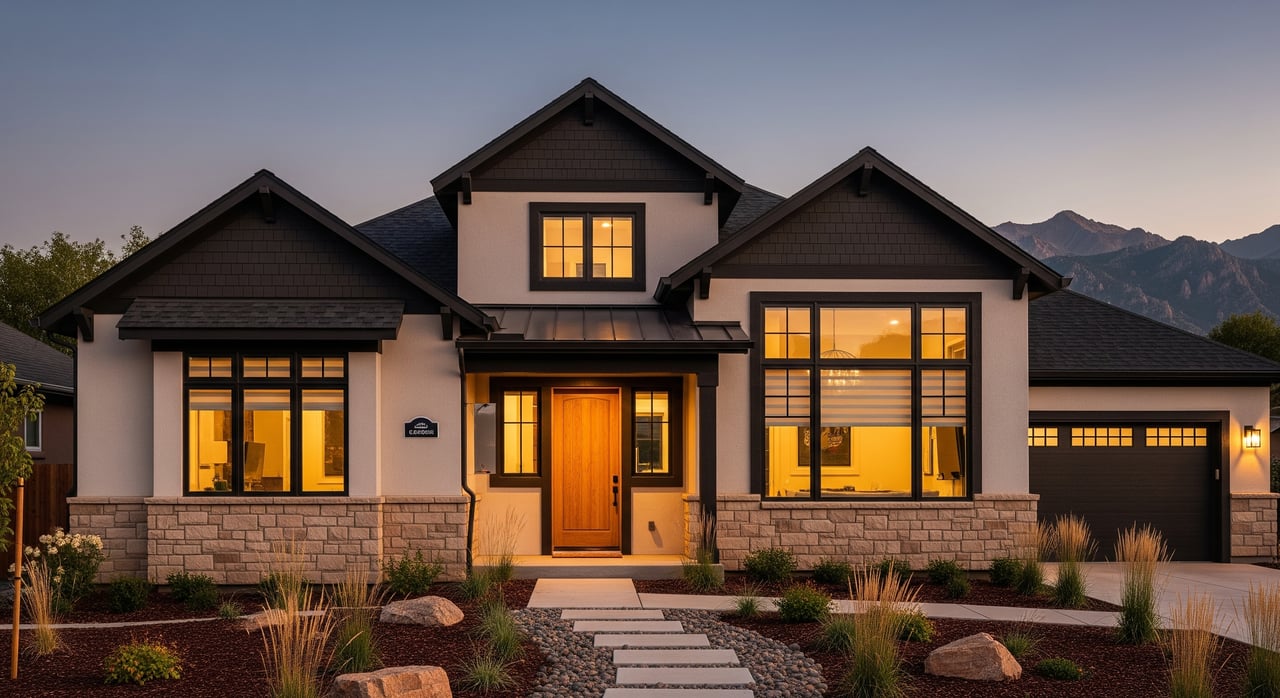
You may come across a 1920s or 1930s brick home on a relatively compact urban lot, a partially updated mid-century property, or a newly built home from 2025 or 2026 on a 6,500- or 7,750-square-foot lot. That range matters because your search may involve very different definitions of value from one block to the next.
Some streets also carry added planning considerations. Denver designates Bonnie Brae Boulevard as a parkway, and properties along parkways are subject to building-line restrictions that help preserve the green, park-like street character.
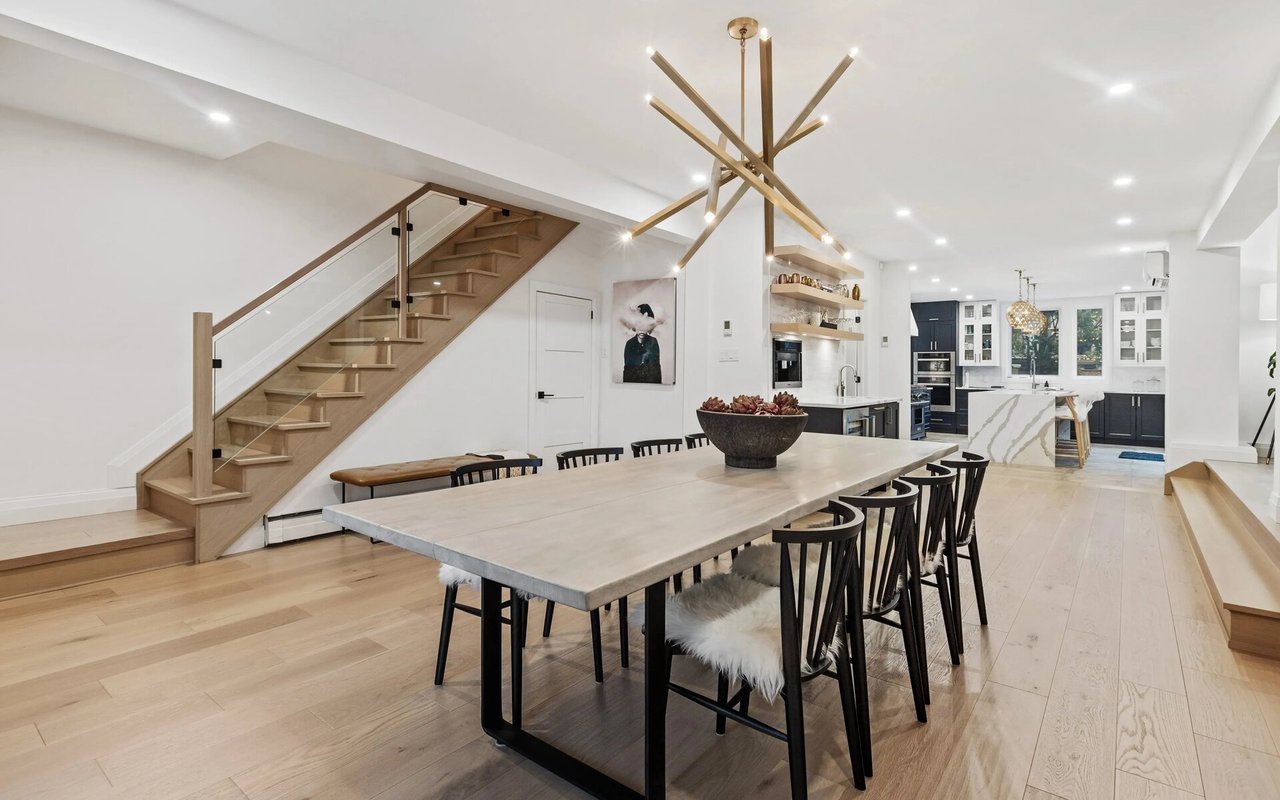
If you are moving up within Denver, Bonnie Brae can be attractive because it offers more than one path forward. You might buy a home with good bones and make gradual improvements, choose a fully renovated property, or target new construction if turnkey living is your priority.
Belcaro home styles and lot opportunities
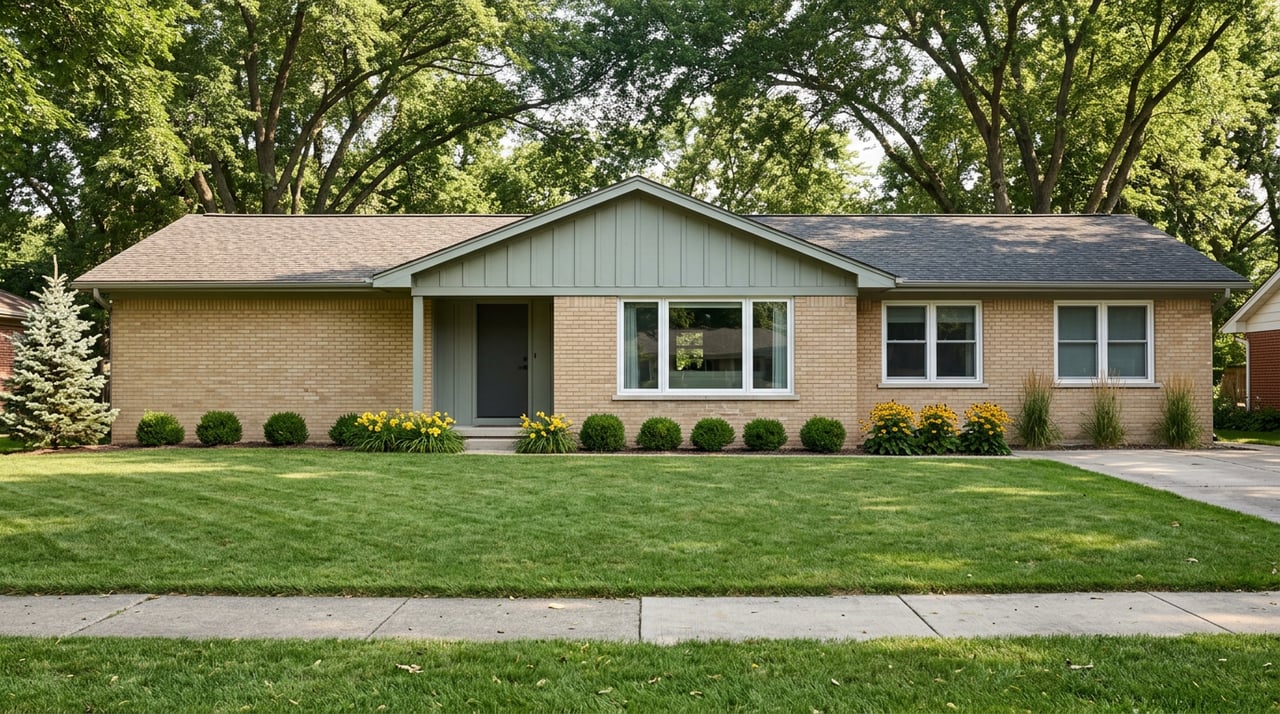
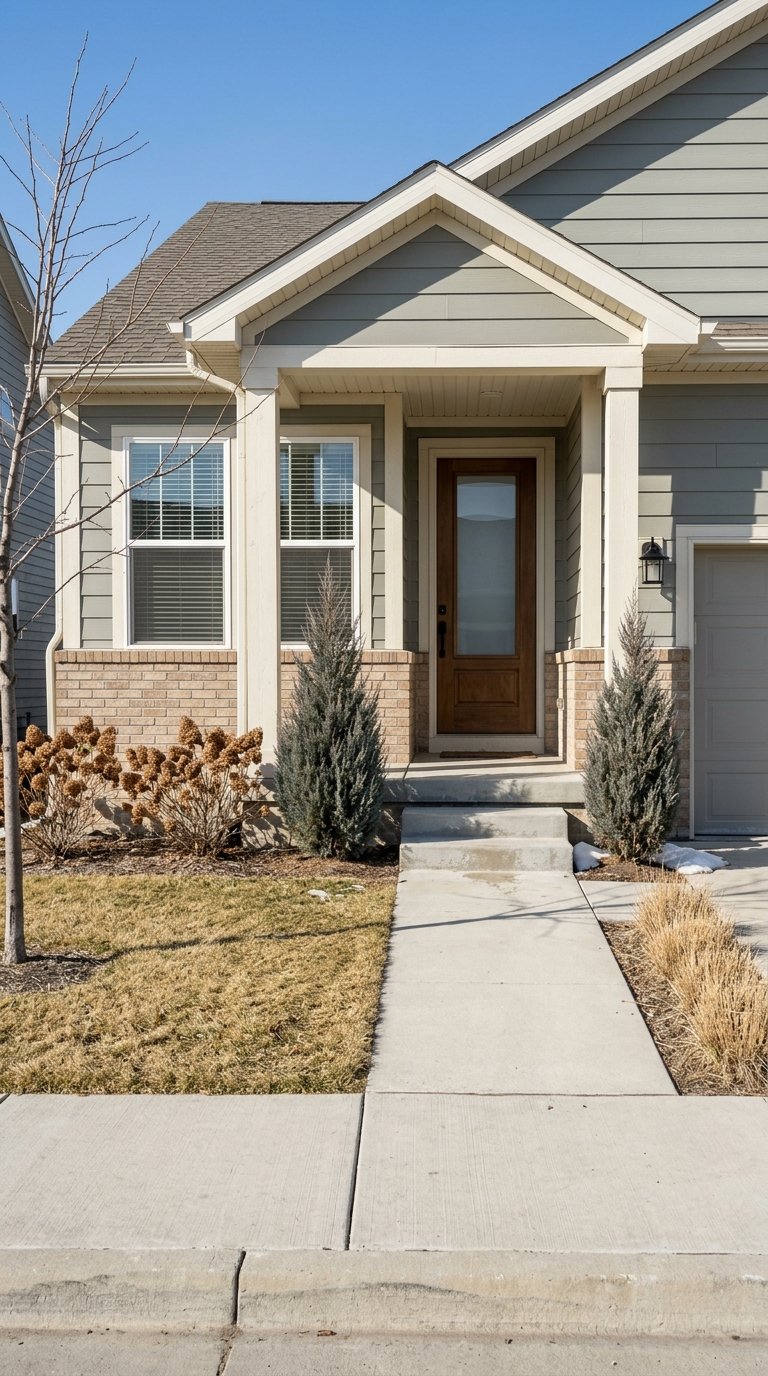
Belcaro tends to read bigger in almost every sense. The neighborhood is especially known for ranch homes, custom builds, and larger-than-average lots, though the broader area also includes some condos and attached homes on the edges.
Current examples in the market include homes on 0.31-acre and 0.53-acre lots, ranch properties with additions, houses with pools on nearly 18,000-square-foot lots, and even sites large enough to invite a remodel-or-rebuild decision. That makes Belcaro especially relevant if your move-up goal includes more outdoor space, a wider footprint, or long-term customization potential.
Compared with Bonnie Brae, Belcaro often gives buyers a more estate-oriented feel. You are still in a central location, but the housing stock can support a different lifestyle priority, especially if lot size and one-level living are high on your list.
Pricing in Bonnie Brae and Belcaro
Both neighborhoods sit well above Denver’s broader market pricing. In March 2026, Denver’s citywide median sale price was $630,000, while Bonnie Brae and Belcaro were operating in a much higher tier.
In Bonnie Brae, Realtor.com reported a March 2026 median listing price of $1,886,750, with 9 homes for sale, 39 median days on market, a 96% sale-to-list ratio, and a median listing price per square foot of $586. Redfin’s vintage-home slice showed an even smaller submarket with a $2.12 million median listing price and 84 days on market.
Belcaro’s March 2026 median sale price was $1.675 million, up 11.7% year over year. Redfin reported 81 median days on market and 35 homes sold that month, while also describing the neighborhood as somewhat competitive, with the average home selling about 3% below list and going pending in around 20 days.
That may sound inconsistent at first, but it usually points to differences in time period or property segment. In neighborhoods with a wide spread of housing types and price points, averages can shift quickly depending on what sold.
What your budget may buy
In Bonnie Brae, active listings show a wide spread. Older or updated homes can start in the upper-$700,000s to mid-$1 million range, while custom new construction can reach well above $4 million.
In Belcaro, the range is also broad. Lower-priced condo inventory exists near the edges of the neighborhood, while larger ranches and estate-style homes push into the multi-million-dollar tier.
For you as a buyer, that means a neighborhood name alone is not enough to define your search. You need to decide whether your priority is lot size, finished square footage, renovation level, age of home, or long-term build potential, because each one changes the value equation.
Renovation choices matter here
One of the most important things to understand in Bonnie Brae and Belcaro is the renovation ladder. In both neighborhoods, buyers may be comparing homes that fall into three very different buckets:
- Cosmetic refresh opportunities
- Major addition or full remodel candidates
- Teardown or new construction options
This matters because two homes with similar square footage may carry very different long-term costs. One may already have the layout and finish level you want, while another may look attractive on price but require substantial work to compete with nearby renovated or newly built homes.
In Bonnie Brae, that house-by-house evolution is part of the neighborhood’s identity. In Belcaro, lot size can make larger additions or rebuild conversations more realistic, depending on the property.
Competition can still be sharp
Even in a market where higher-end homes may sit longer than the citywide average, competition still matters. The biggest pressure point is often scarcity, not pure speed.
Bonnie Brae can have single-digit active inventory, which means the best-updated homes or the best blocks may have very few direct substitutes. Belcaro may show more available listings, but because the inventory is spread across condos, attached homes, ranches, and estate properties, finding true apples-to-apples comparisons can be harder than it looks.
For move-up buyers, this usually means you need to be ready to act when the right fit appears. Waiting for the perfect mix of location, lot, condition, and price can be difficult in neighborhoods where each property is a little different.
Appraisal risk is part of the plan
In neighborhoods with mixed housing stock, appraisal planning becomes especially important. The Colorado Division of Real Estate defines an appraisal as an unbiased professional opinion of value that is almost always used in a home purchase.
That matters in Bonnie Brae and Belcaro because values can be harder to support when the nearby housing mix includes original Tudors, updated ranches, expanded homes, and brand-new custom builds. Features like size, condition, location, views, and special features can all affect how a property is valued.
If an appraisal comes in below the contract price, Fannie Mae notes that buyers may need to renegotiate, request a reconsideration of value, increase the down payment, or walk away. In practical terms, the strongest move-up strategies often include a realistic cash buffer and a financing plan that leaves room for flexibility.
Selling and buying at the same time
For many move-up buyers, the real challenge is not just finding the next house. It is coordinating the sale of your current home with the timing of the purchase.
Because Bonnie Brae and Belcaro are premium neighborhoods with limited inventory and varied price points, it helps to build your sequence early. That means understanding your current home’s likely sale timing, how much flexibility you need after closing, and how quickly you can make a decision if the right replacement property comes up.
Colorado’s Division of Real Estate also recommends working with a licensed broker and comparing multiple lenders. That advice fits especially well here, where financing details, pricing support, and timing can all affect your leverage.
How to shop smarter in Bonnie Brae and Belcaro
A focused move-up search usually works better than a broad one in these neighborhoods. Before you start touring heavily, narrow your criteria around the factors that matter most to your next stage of ownership.
Ask yourself:
- Do you want character, turnkey condition, or new construction?
- Is lot size more important than interior finish?
- Would you consider a remodel candidate, or do you want a home that is ready now?
- Are you more flexible on neighborhood, or on house style?
- How much appraisal or renovation risk are you comfortable carrying?
Clear answers make decision-making easier when inventory is limited. They also help you avoid comparing properties that really belong in different categories.
Why local guidance matters
Bonnie Brae and Belcaro are not neighborhoods where price per square foot tells the whole story. Block, lot size, renovation quality, architectural style, and even the difference between a polished remodel and a true custom build can all influence value.
That is why move-up buyers often benefit from neighborhood-specific guidance, not just citywide data. A home may look expensive or well-priced on paper, but the context around that property is what really shapes a smart offer and a realistic plan.
With the right strategy, you can move into one of Denver’s most established in-town neighborhoods with more confidence and less friction. If you are weighing Bonnie Brae, Belcaro, or both, the key is to align your budget, timing, and property criteria before the right home hits your radar.
If you are planning a move-up purchase in Bonnie Brae or Belcaro, Chriss Bond can help you build a smart search strategy, coordinate your sale and purchase timeline, and navigate Denver’s premium in-town market with clear, responsive guidance.
FAQs
What makes Bonnie Brae appealing for move-up buyers?
- Bonnie Brae offers an established in-town setting, a mix of older and newer homes, and a range of options from updated character homes to brand-new custom construction.
What makes Belcaro appealing for move-up buyers?
- Belcaro is known for larger ranch homes, custom builds, larger lots, and a central location near Cherry Creek and Washington Park.
How expensive are Bonnie Brae and Belcaro compared with Denver?
- Both neighborhoods are priced far above Denver’s March 2026 citywide median sale price of $630,000, with Bonnie Brae and Belcaro both in the premium segment of the market.
What kinds of homes can you find in Bonnie Brae?
- Buyers can find original older homes, partially updated properties, renovated houses, new construction, and some condo inventory.
What kinds of homes can you find in Belcaro?
- Belcaro includes larger ranch homes, custom builds, remodel candidates, estate-style properties, and some condos or attached homes near the periphery.
Why is appraisal planning important in Bonnie Brae and Belcaro?
- The wide mix of home styles, sizes, conditions, and lot types can make valuation more complex, which means buyers should prepare for the possibility of a low appraisal and have a plan in place.
How should you plan a move-up purchase in Bonnie Brae or Belcaro?
- Start early by aligning your current home sale strategy, confirming your financing, comparing lenders, and defining your must-haves so you can act quickly when the right home becomes available.