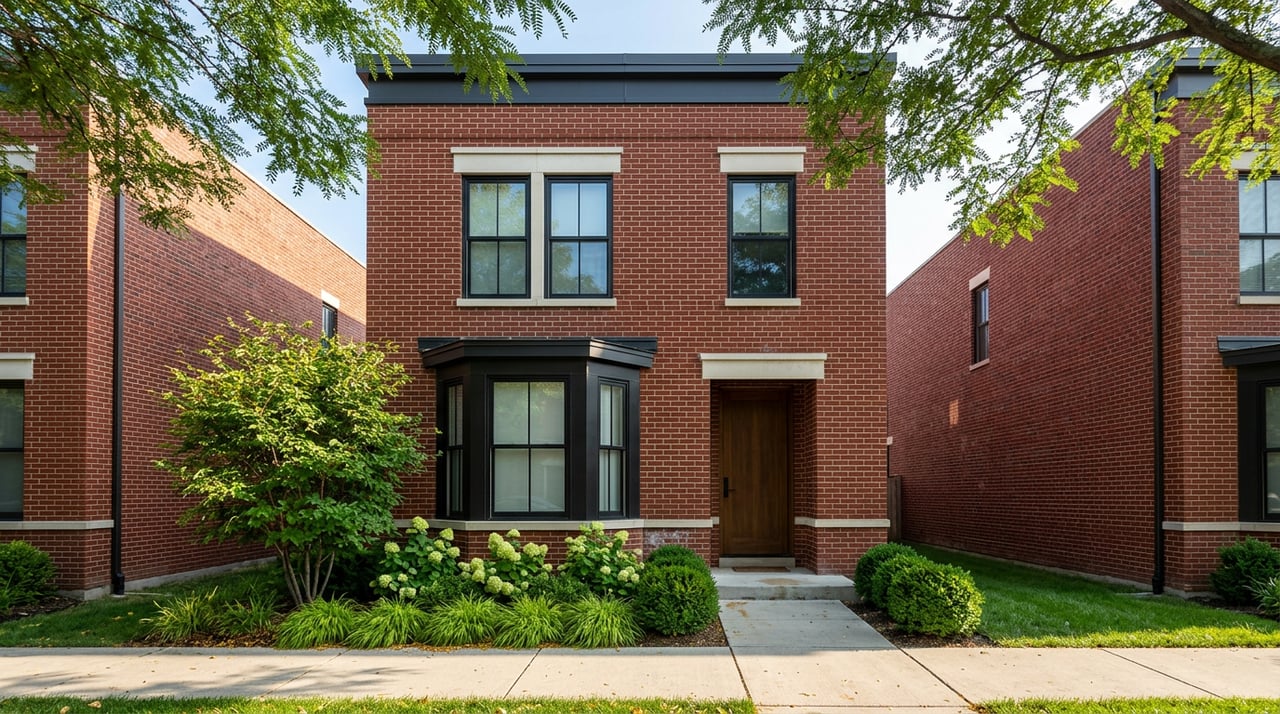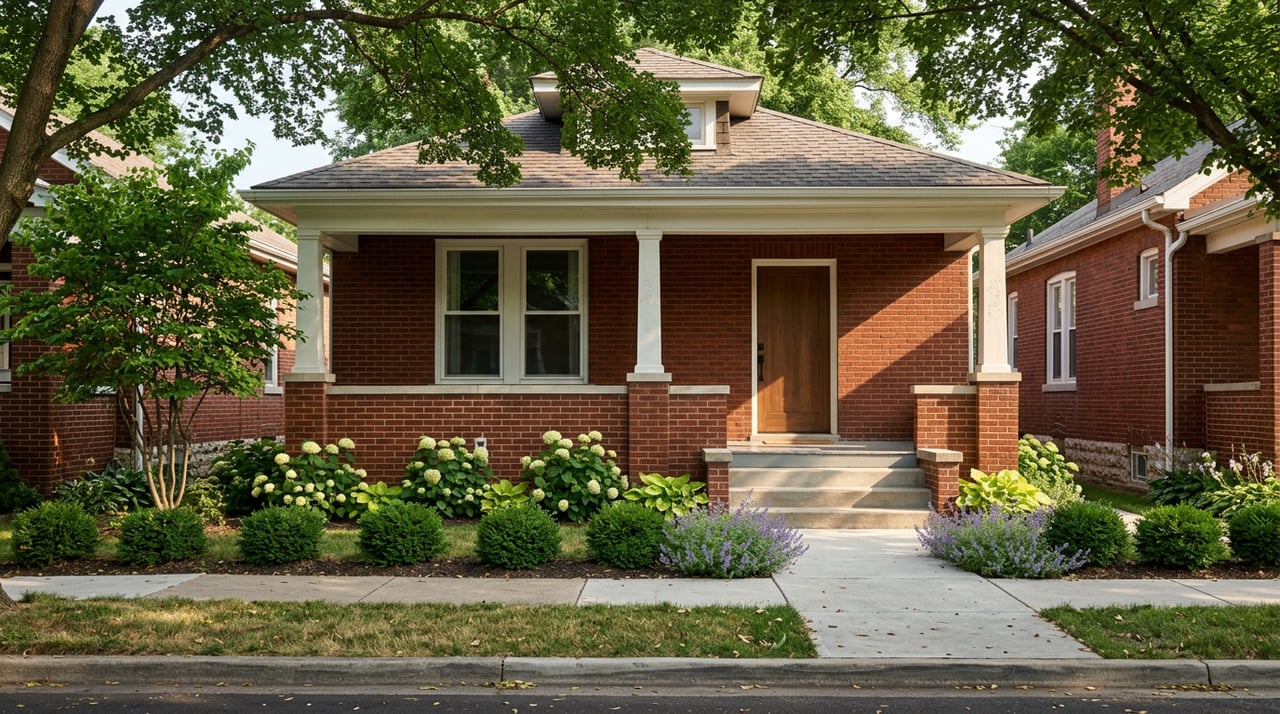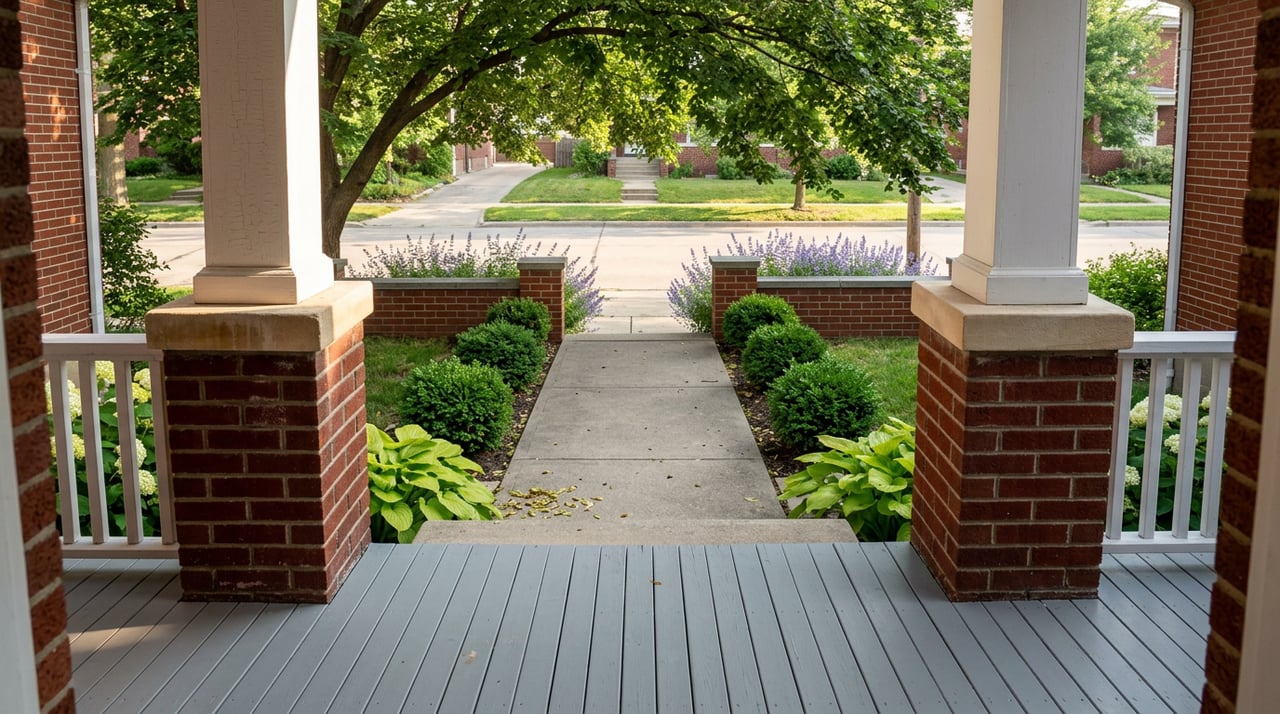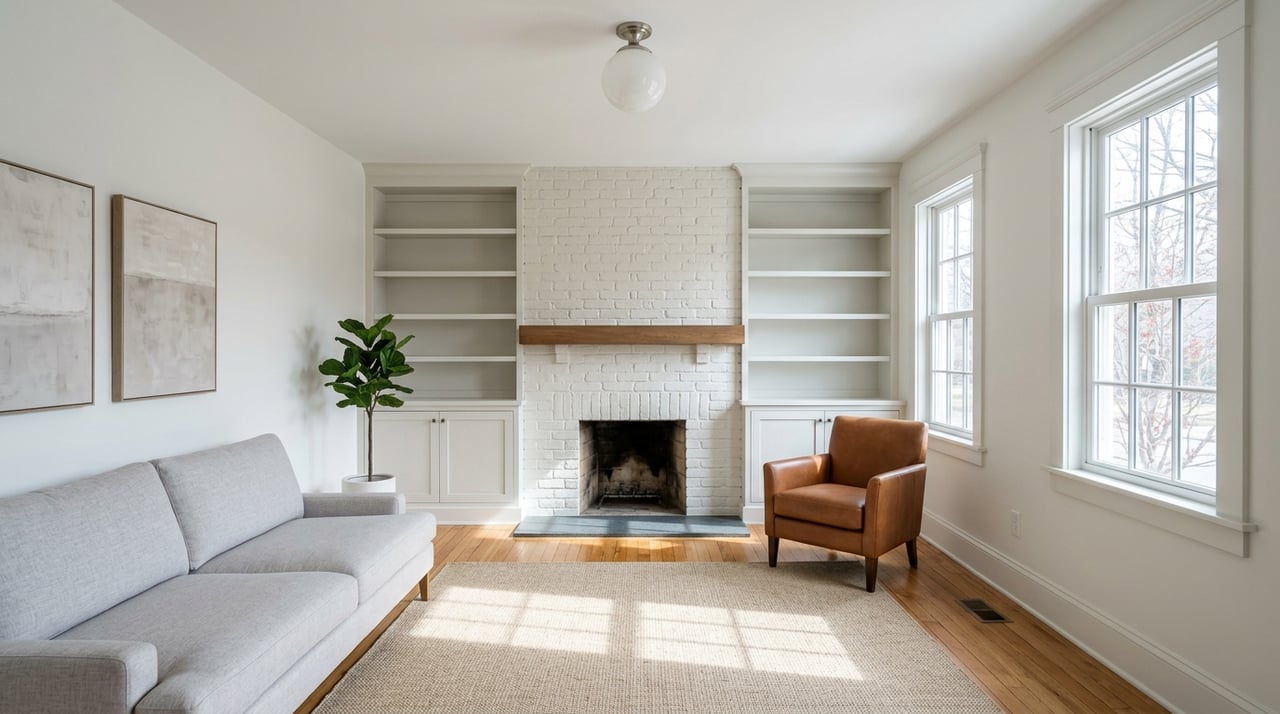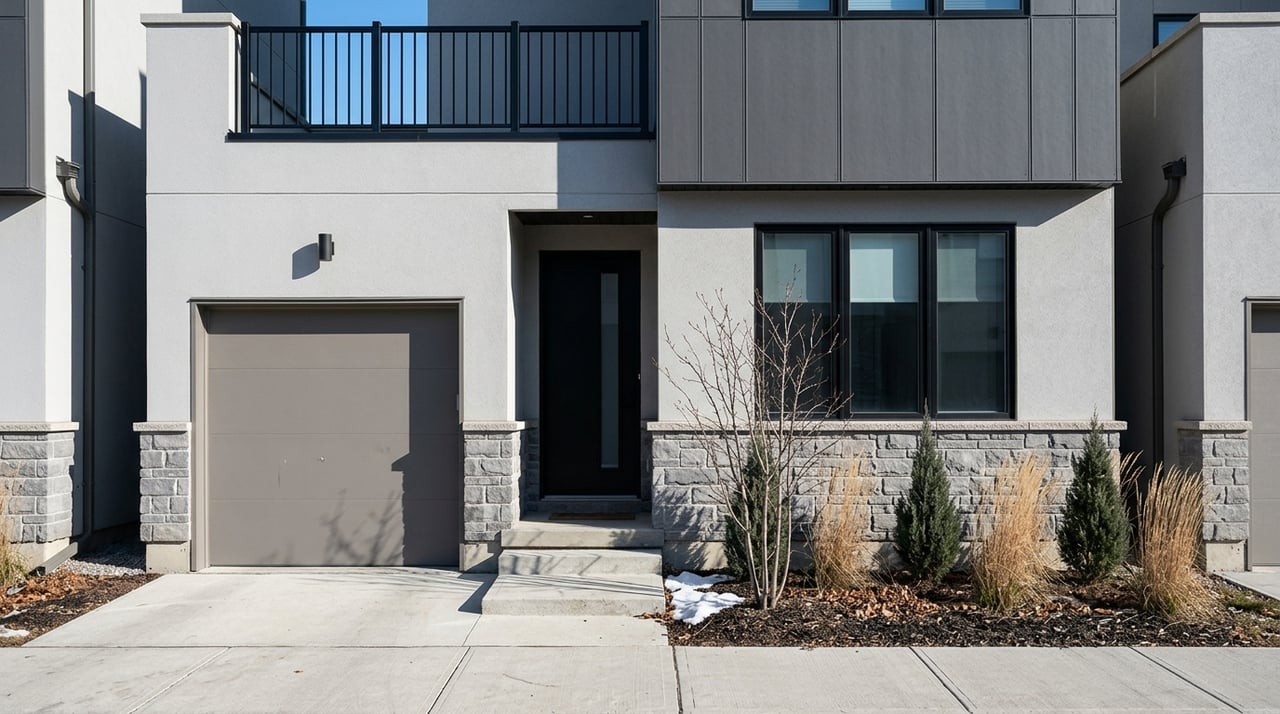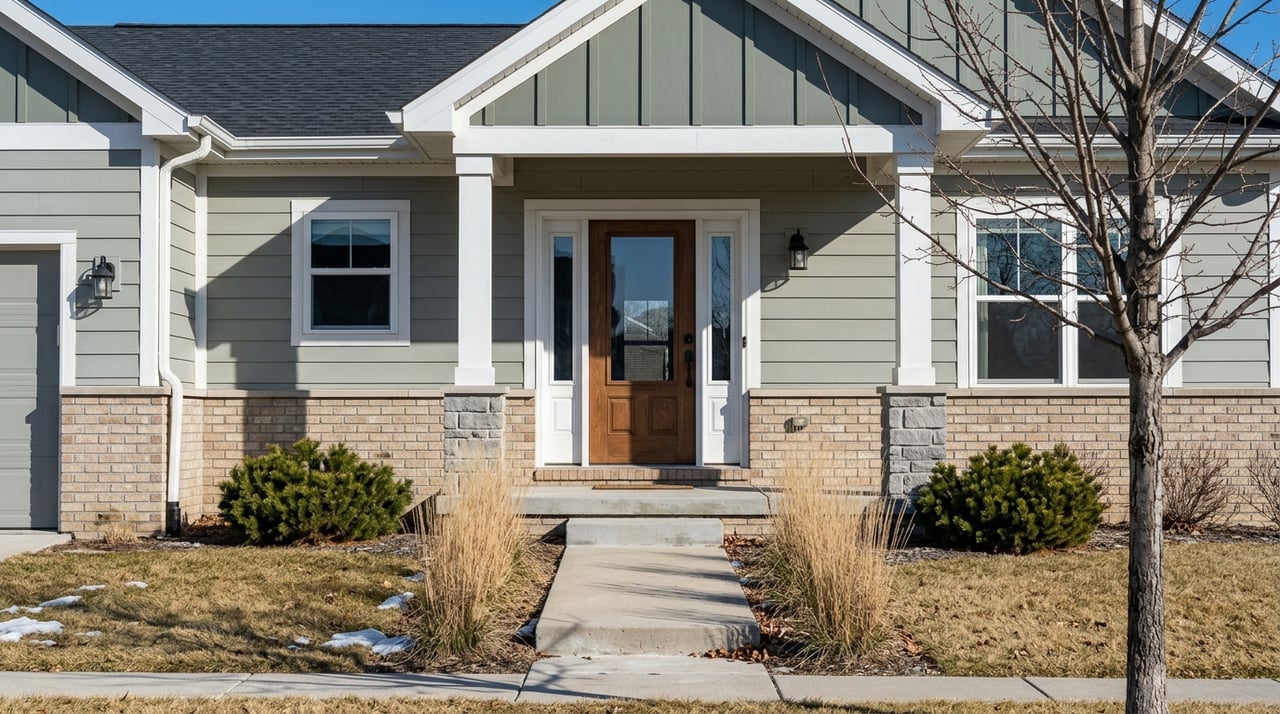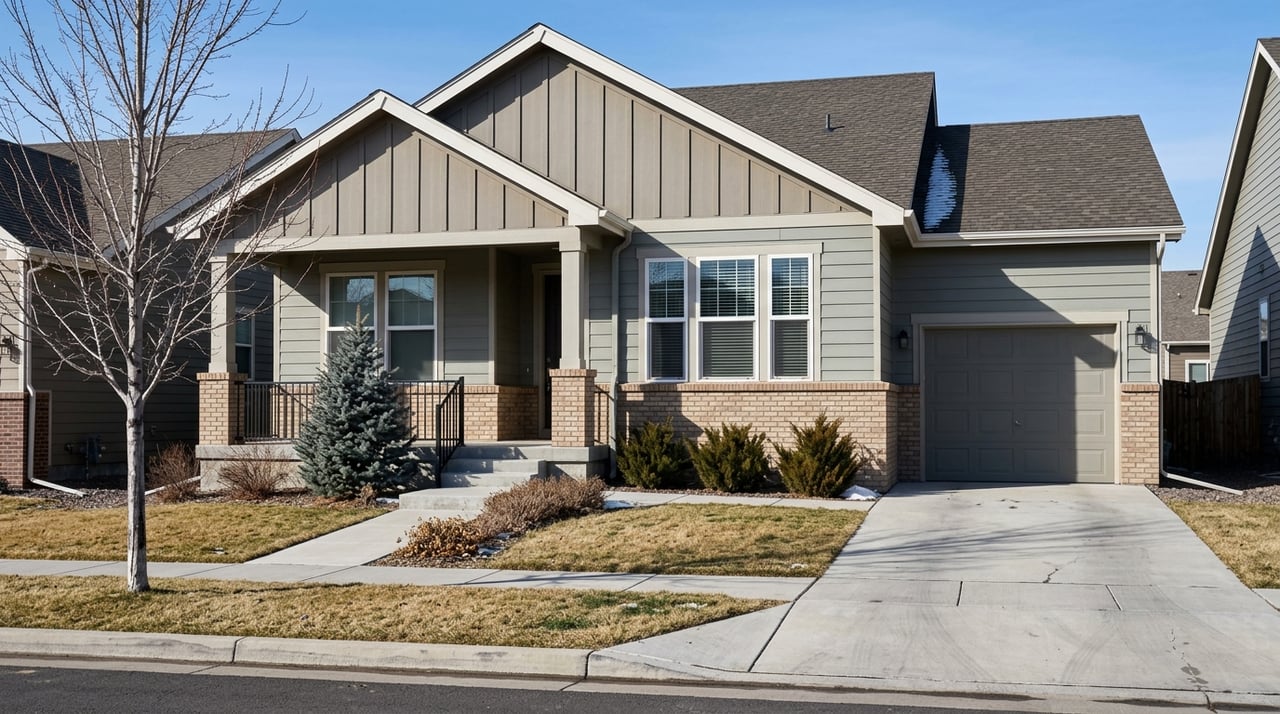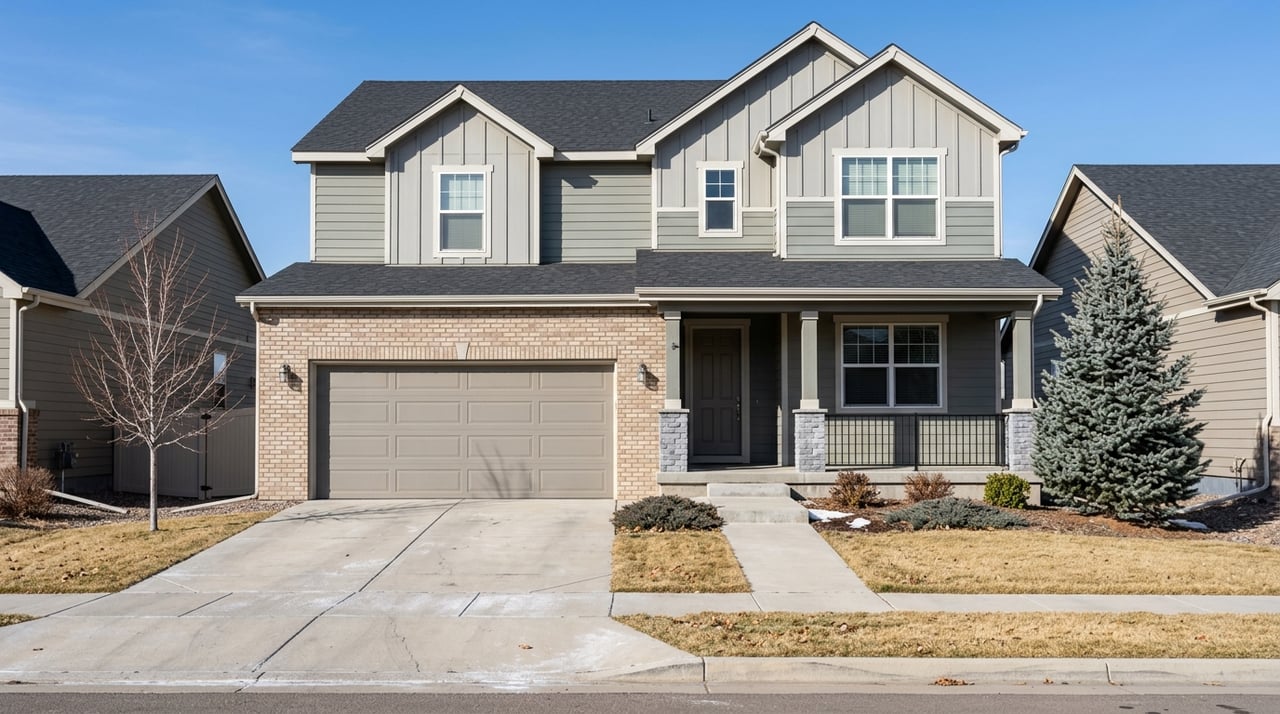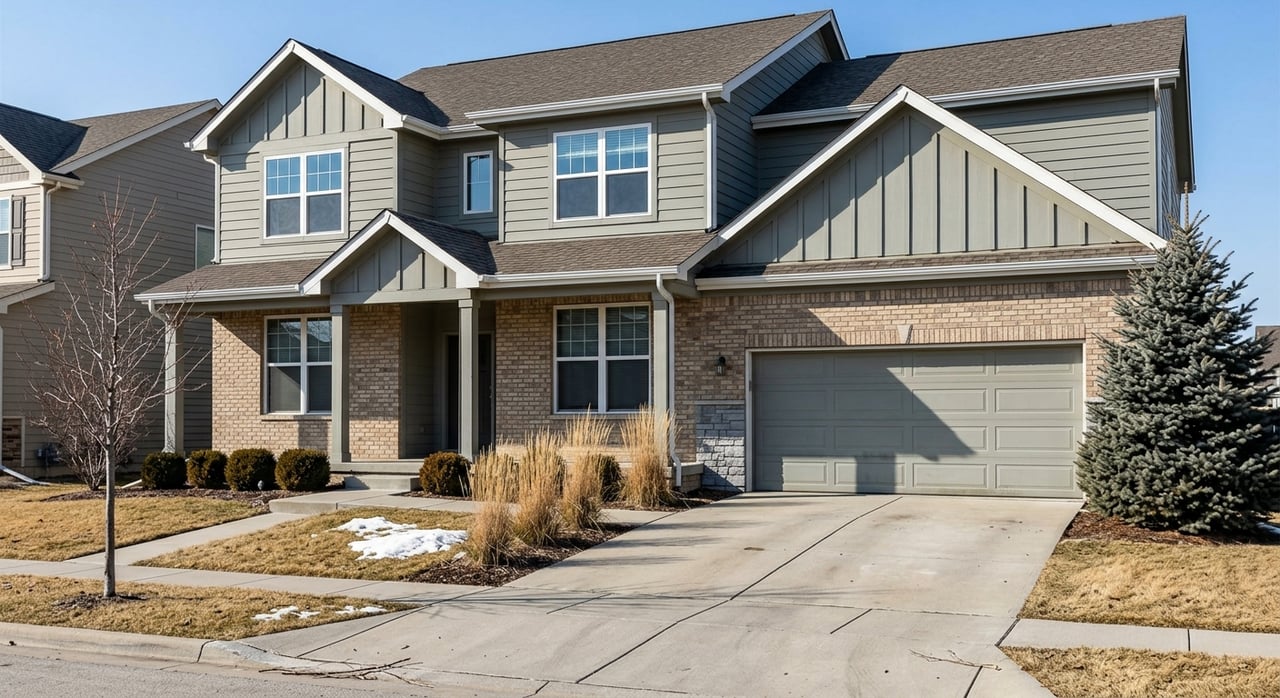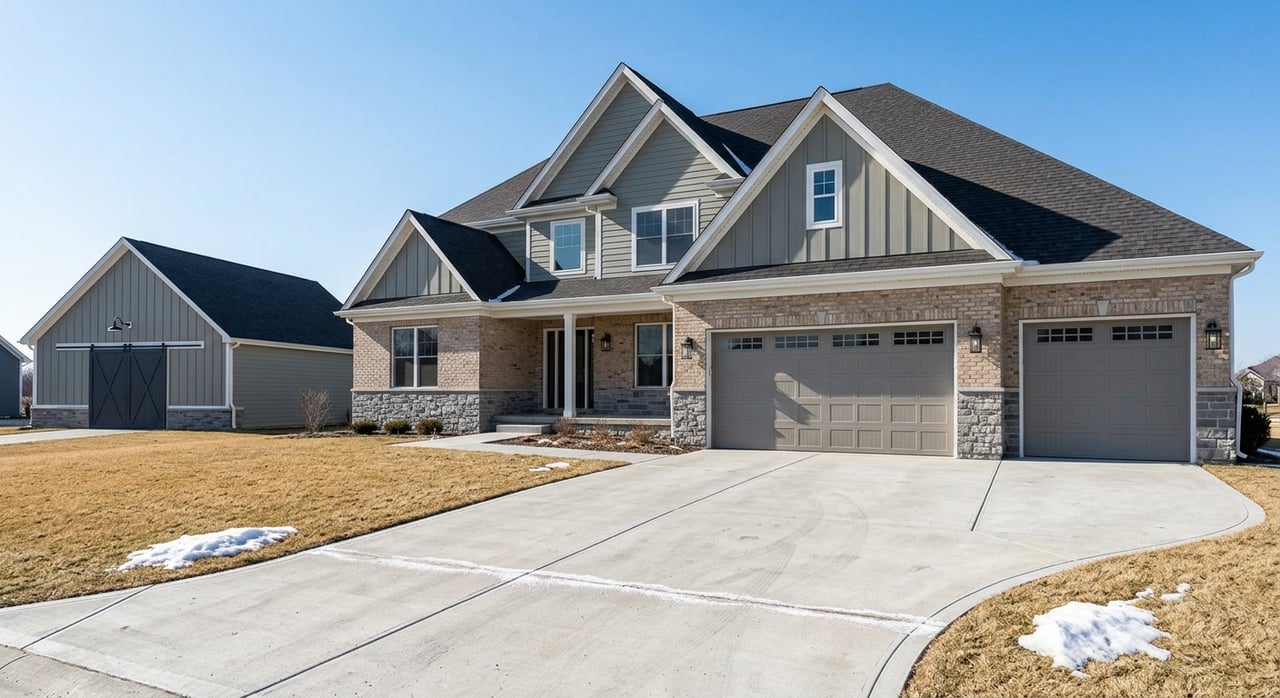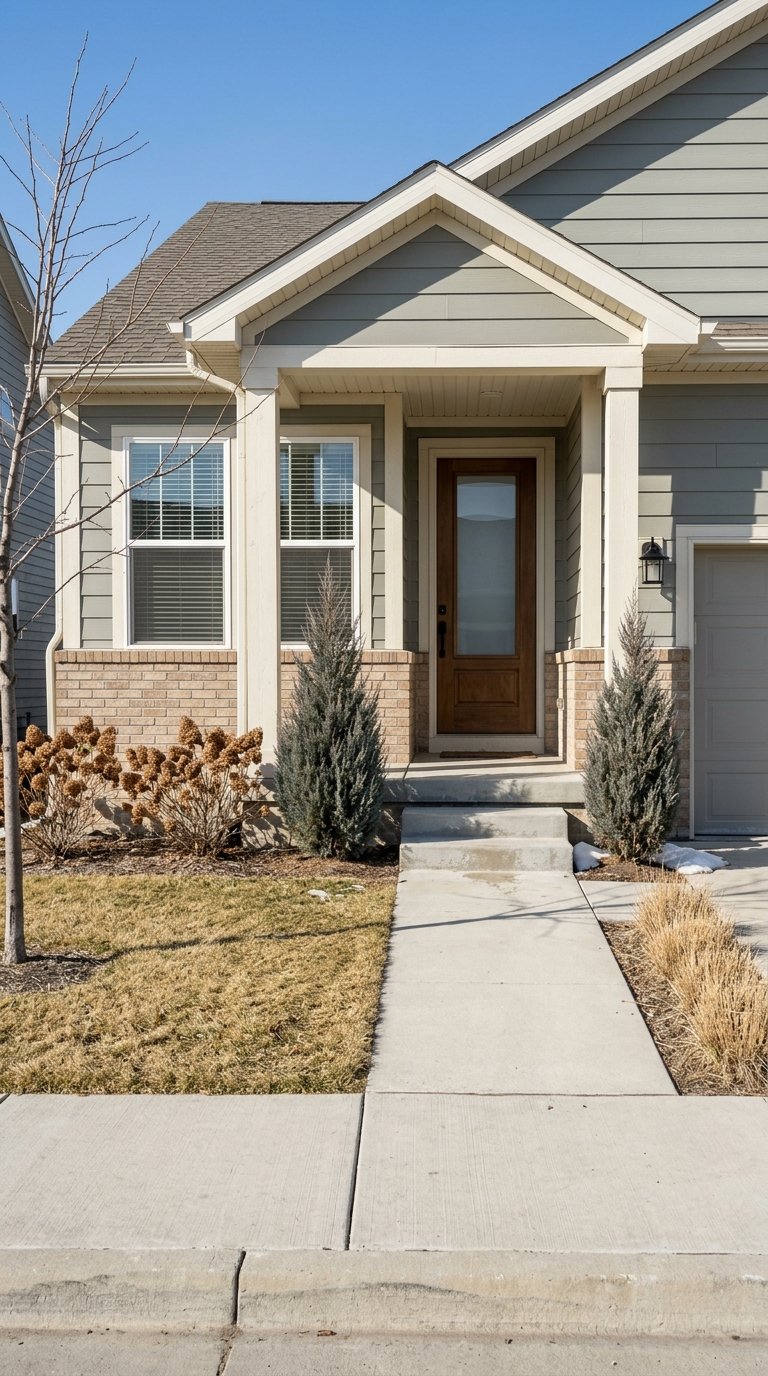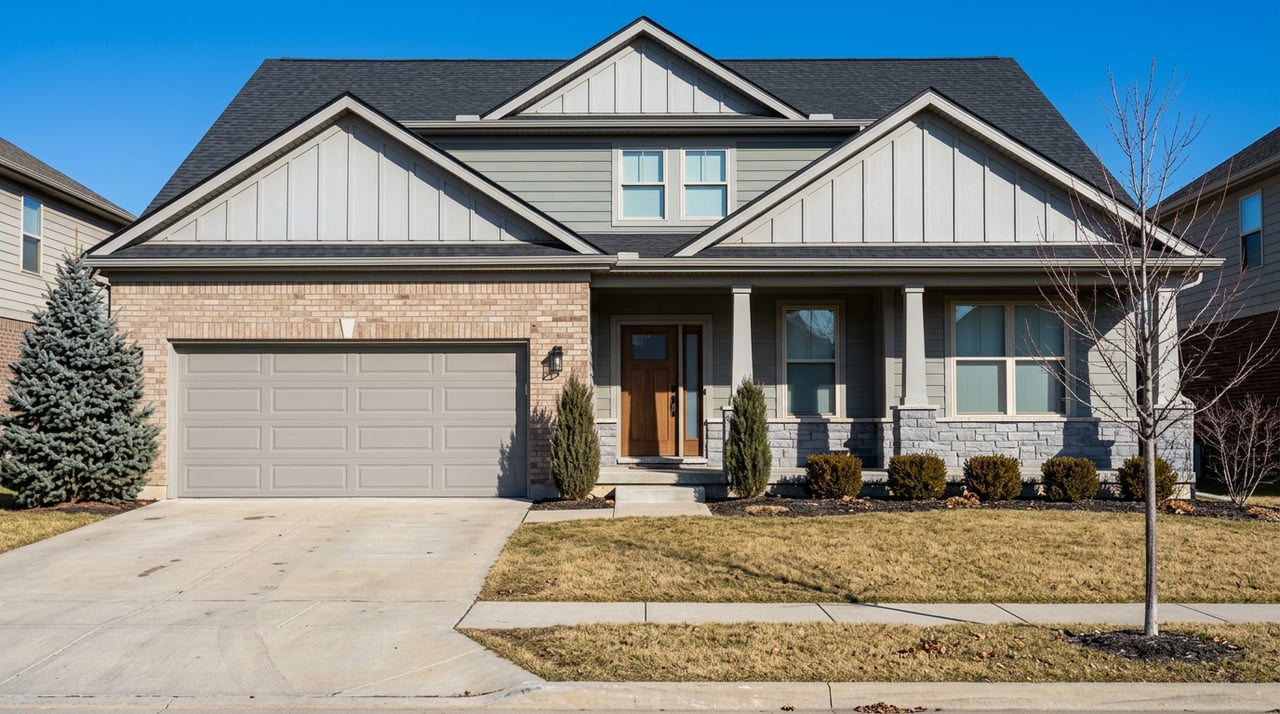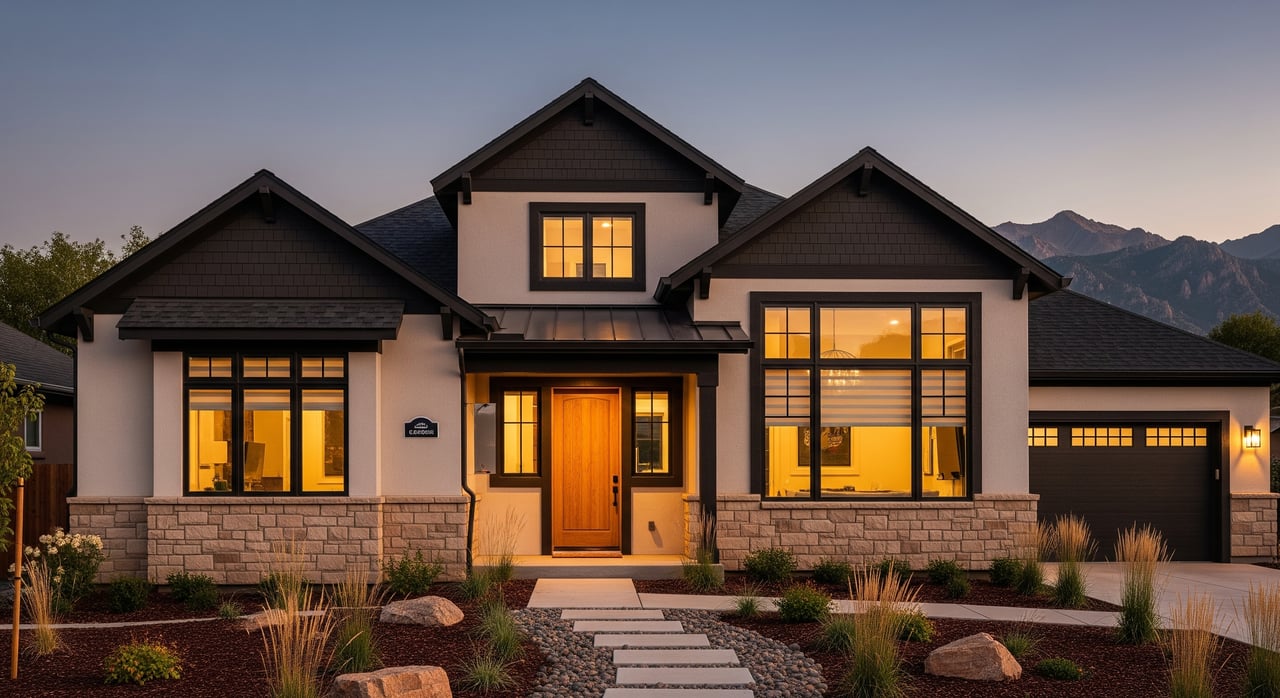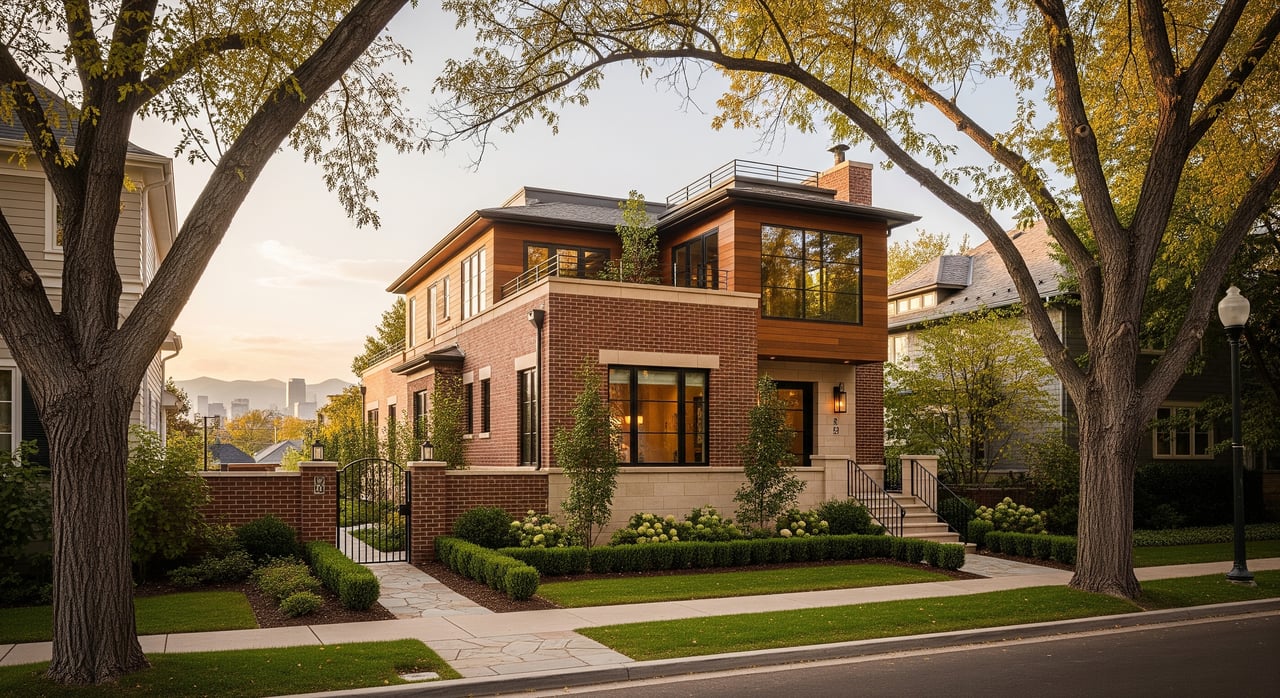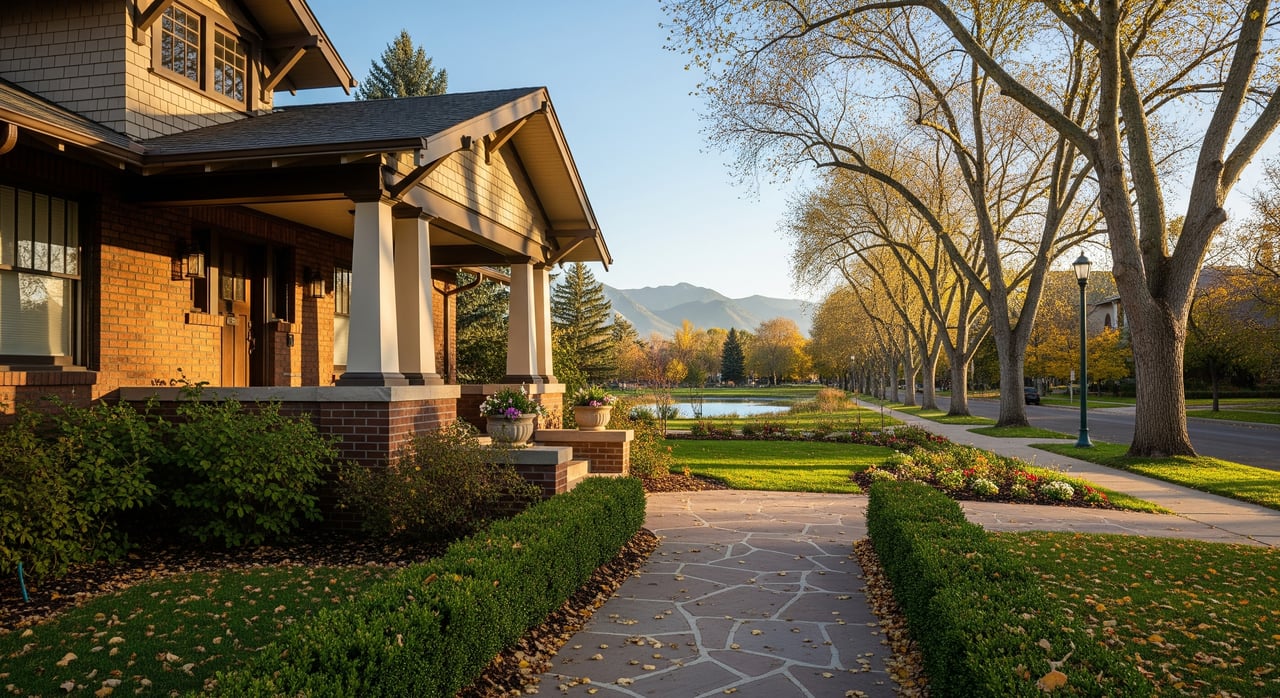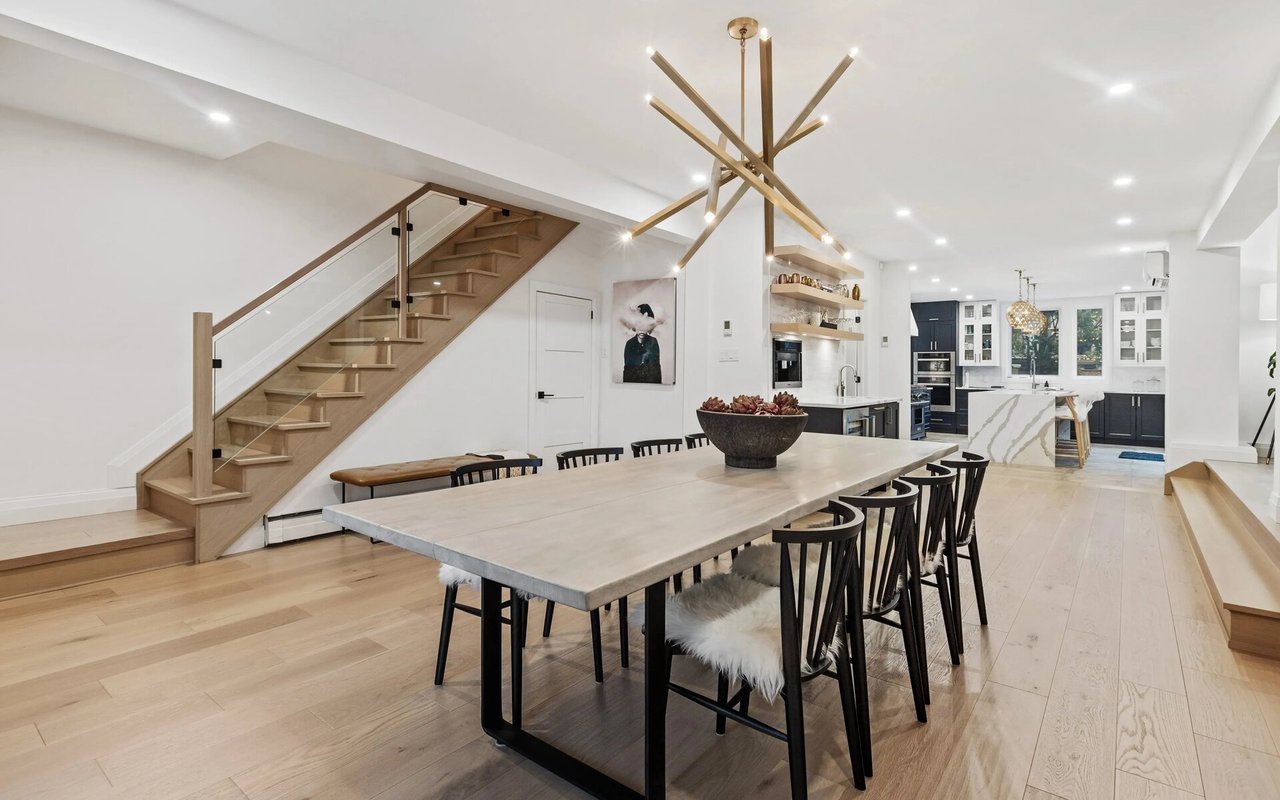
If you want a suburb that feels easy to live in without feeling cut off, Lone Tree deserves a close look. Many buyers want more space, dependable amenities, and a simpler daily routine, but they also do not want to lose access to Denver, the Tech Center, or transit. The good news is that Lone Tree offers a rare mix of suburban comfort, planned growth, and strong regional connections. Let’s dive in.
Why Lone Tree Stands Out
Lone Tree sits in the south Denver metro and has grown into more than a quiet suburban stop. The city describes itself as a regional destination with about 15,000 residents and more than 3,000 businesses. That balance helps explain why living here can feel convenient day to day.
Instead of relying on one commercial strip or one older town center, Lone Tree is organized around neighborhoods, shopping, parks, trails, and transit. You can run errands, meet friends for dinner, spend time outdoors, and still have practical commuting options nearby. For many buyers, that blend is the main draw.
RidgeGate Shapes Daily Life
A big part of Lone Tree’s identity comes from RidgeGate, the city’s largest growth area. This 3,500-acre planned development sits south of Lincoln Avenue on both sides of I-25 and mixes housing, employment, shopping, and dining in one broader layout. It already has nearly 5,000 residents, with much more development planned over time.
That matters if you are trying to understand whether Lone Tree feels new or established. In many ways, it is both. West RidgeGate is largely developed, while the east side still has major residential and civic growth ahead.
This planned approach gives the area a different feel than a typical suburb. Residential areas are placed near open space, parks, and trails, while shopping, offices, arts, and light rail stay close at hand. If you like the idea of a community that was designed with access and convenience in mind, Lone Tree stands out.
City Center Is a Key Hub
Lone Tree City Center is especially important to the city’s future. The city says it is expected to become the downtown heart of Lone Tree and already includes two RTD light-rail stations, a park-n-ride garage, a park, and both market-rate and income-restricted housing. More office, commercial, residential, and public-space development is still planned.
For buyers, that means Lone Tree is not standing still. The community is continuing to add the kind of mixed-use infrastructure that can make everyday life easier. It also gives the city a more connected feel than you might expect from a suburban market.
Parks and Trails Add Breathing Room
One of the biggest lifestyle benefits of living in Lone Tree is access to parks, trails, and open space. The city highlights scenic parks and well-maintained trail systems, including Prairie Sky Park and Sweetwater Park. High Note Park is also in development, with Phase 1 groundbreaking planned for spring 2026.
When complete, High Note Park is expected to become the city’s largest park and its first regional park. That says a lot about where Lone Tree is headed. The city is investing in outdoor space as a core part of daily life, not just as an afterthought.
Trail Access Is Built Into the City
Trail connections are a real strength here. Willow Creek Trail runs north to south through the center of Lone Tree and connects to both the High Line Canal and the East/West Trail systems. Bluffs Regional Park and Trail adds a 2.7-mile loop with a soft-surface trail.
The East/West Regional Trail also links Lone Tree with Highlands Ranch, Castle Pines, and Parker. For you, that can mean easier access to walking, running, biking, and casual outdoor time without needing a major weekend plan. It is one more reason the city feels practical as well as pleasant.
Recreation Is Easy to Reach
Lone Tree also benefits from a wide set of recreation amenities operated through South Suburban Parks & Recreation. These include Cook Creek Pool, the Lone Tree Recreation Center, the Lone Tree Tennis Center and Park, Lone Tree Golf Club & Hotel, and the Douglas County Library branch in RidgeGate. That adds a lot of flexibility to your routine.
Instead of driving across the metro for every activity, many everyday needs can be handled locally. Whether you want fitness options, a library stop, tennis, golf, or family recreation, the city offers a strong lineup. For busy households, that kind of convenience matters.
Shopping and Dining Feel Built In
For many people, the biggest surprise about Lone Tree is how much is already close by. Park Meadows is a major retail anchor and describes itself as Colorado’s biggest shopping mall, with 185 stores and restaurants. That gives the area a level of shopping and dining access that many suburbs simply do not have.
Beyond Park Meadows, the city points to a broad mix of service providers, restaurants, cafes, specialty shops, retailers, and local businesses, especially around Park Meadows and RidgeGate. That means Lone Tree is not just a place where people sleep and commute. It has an active commercial core that supports day-to-day living.
Culture Adds Another Layer
The Lone Tree Arts Center helps round out the local lifestyle. Built in 2011 and owned and operated by the city, it is a performing arts venue near I-25 and Lincoln Avenue with free on-site parking and accessible programming. That adds a cultural option many suburban buyers do not expect.
If you value having performances and community events nearby, this is a real plus. It gives Lone Tree another dimension beyond retail and recreation. In practical terms, you get more ways to spend your time close to home.
Commuting From Lone Tree
If you need access to Denver or other south-metro job centers, transportation is one of Lone Tree’s strongest selling points. The city is served by I-25, C-470, and E-470, along with RTD light rail, buses, vanpools, and Link On Demand. Link On Demand is a free on-demand shuttle that operates within Lone Tree and nearby areas.
That range of options can make a real difference in your day. Some suburbs offer space but make every trip car-dependent. Lone Tree still relies on cars for many trips, but it offers more transit support than many competing suburban areas.
Light Rail Supports Regional Access
For rail riders, the RTD E Line currently runs from RidgeGate Parkway Station and Lone Tree City Center Station north to Union Station. Additional Lone Tree stops include Sky Ridge, Lincoln, and County Line. RTD’s current schedule shows the route active through June 6, 2026.
That gives you a clear transit option for trips toward central Denver. If you prefer to reduce driving some days or want flexibility for work and events, access to multiple local stations is a meaningful advantage.
Tech Center Access Is Practical
Lone Tree can also work well for people who need to reach the Denver Tech Center. RTD’s DTC FlexRide serves areas of Lone Tree west of County Line and Lincoln stations and supports weekday shared rides into the Tech Center. That adds another layer of commuter convenience for south-metro workers.
For many buyers, this is the sweet spot. You can enjoy a suburban setting while keeping a workable connection to major employment centers. That combination is a big reason Lone Tree remains appealing to relocating buyers and move-up households.
What Living in Lone Tree Feels Like
So, what does everyday life actually feel like here? In simple terms, Lone Tree often feels efficient. Parks, trails, shopping, dining, transit, arts, and major roads are clustered more closely together than in many suburban markets.
Walkability is strongest in the RidgeGate City Center and retail areas. In the broader city, many errands and activities still involve a car or transit. That said, the overall layout still supports a smoother routine than you might expect from a suburb of this size.
If your goal is to find a place that offers room to breathe without losing access to the metro, Lone Tree checks a lot of boxes. It blends established amenities with future growth, and that creates a community that feels both functional and forward-looking.
Is Lone Tree Right for You?
Lone Tree may be a strong fit if you want a suburb with a more connected layout than usual. It can especially appeal to buyers who value access to parks, shopping, recreation, and regional transit in one area. It may also work well if you want a community that still has room to evolve.
Like any market, the right fit depends on your priorities, budget, commute, and housing goals. That is where local guidance matters. If you are thinking about buying or selling in Lone Tree or anywhere in the Denver metro, Chriss Bond can help you make a smart, confident move with clear advice and full-service support.
FAQs
What is daily life like in Lone Tree, Colorado?
- Daily life in Lone Tree often feels convenient because neighborhoods, parks, trails, shopping, dining, recreation, and transit are located unusually close together for a suburban market.
Is Lone Tree, Colorado, more new or established?
- Lone Tree is a mix of both, with west RidgeGate largely built out while east Lone Tree still has major residential and civic growth planned.
How do you commute from Lone Tree to Denver?
- Lone Tree offers access to I-25, C-470, E-470, RTD light rail, buses, vanpools, and the E Line, which runs from Lone Tree stations north to Union Station.
Does Lone Tree have parks and trails nearby?
- Yes, Lone Tree features parks and open space such as Prairie Sky Park and Sweetwater Park, plus trail systems including Willow Creek Trail, Bluffs Regional Park and Trail, and the East/West Regional Trail.
What shopping and entertainment options are in Lone Tree?
- Lone Tree includes major retail and dining around Park Meadows and RidgeGate, along with cultural programming at the city-owned Lone Tree Arts Center.
Is Lone Tree a good option for Denver Tech Center commuters?
- Lone Tree can be practical for Tech Center commuters because it offers strong highway access, nearby RTD stations, and DTC FlexRide service for certain areas west of County Line and Lincoln stations.