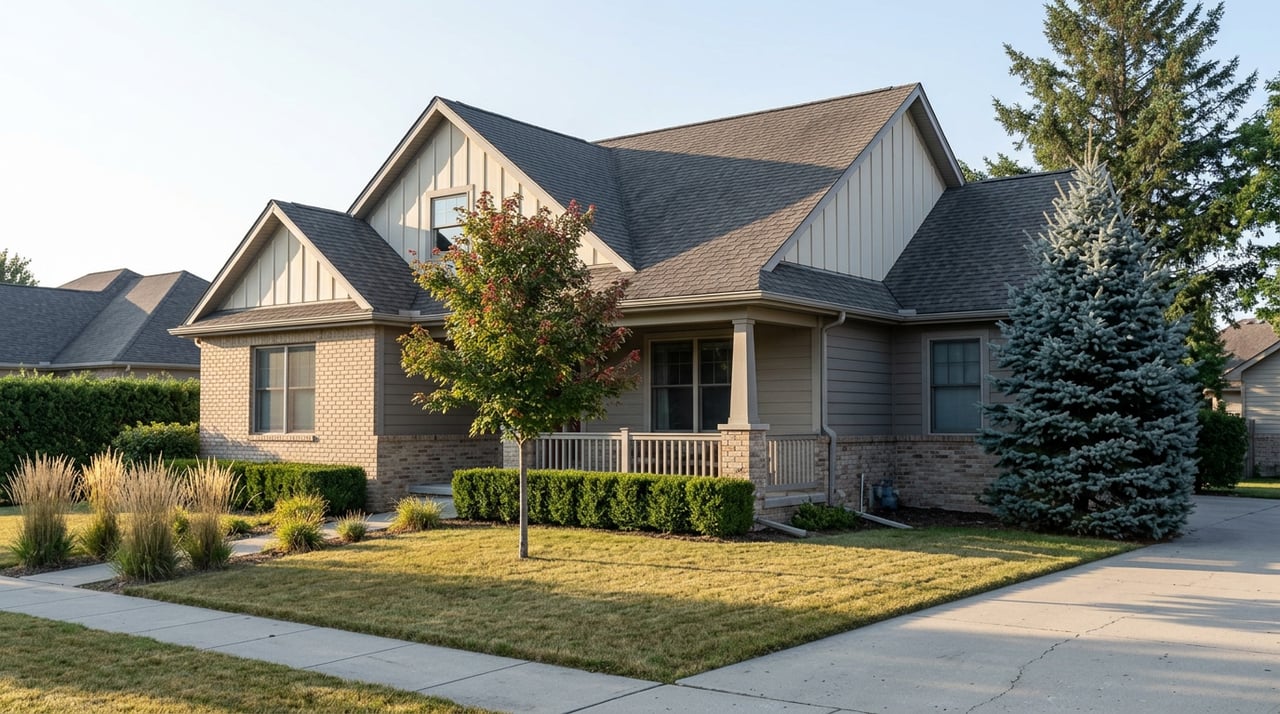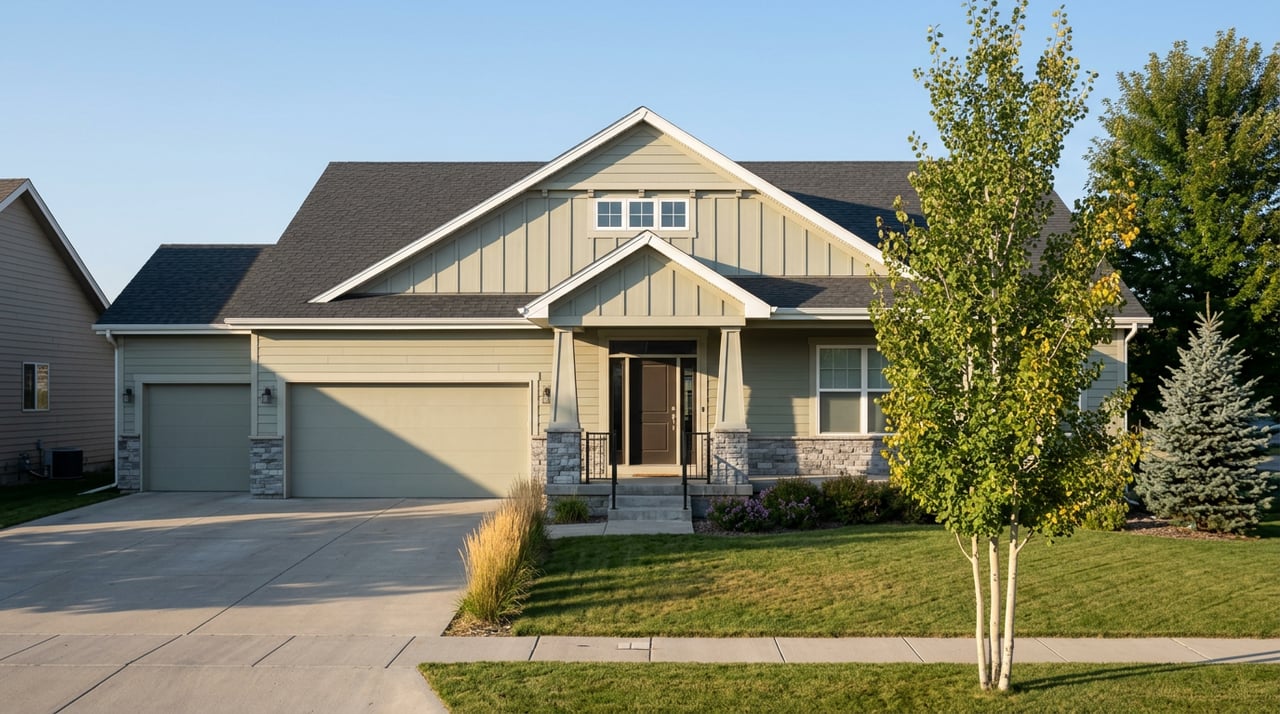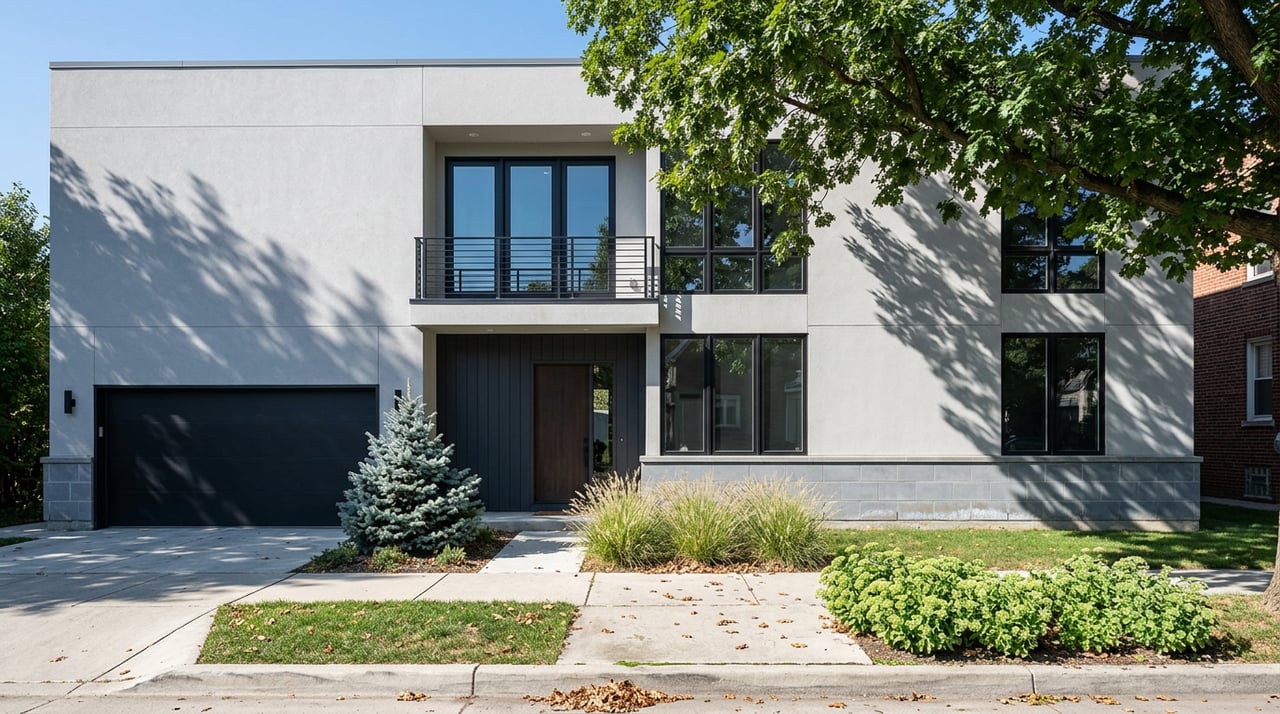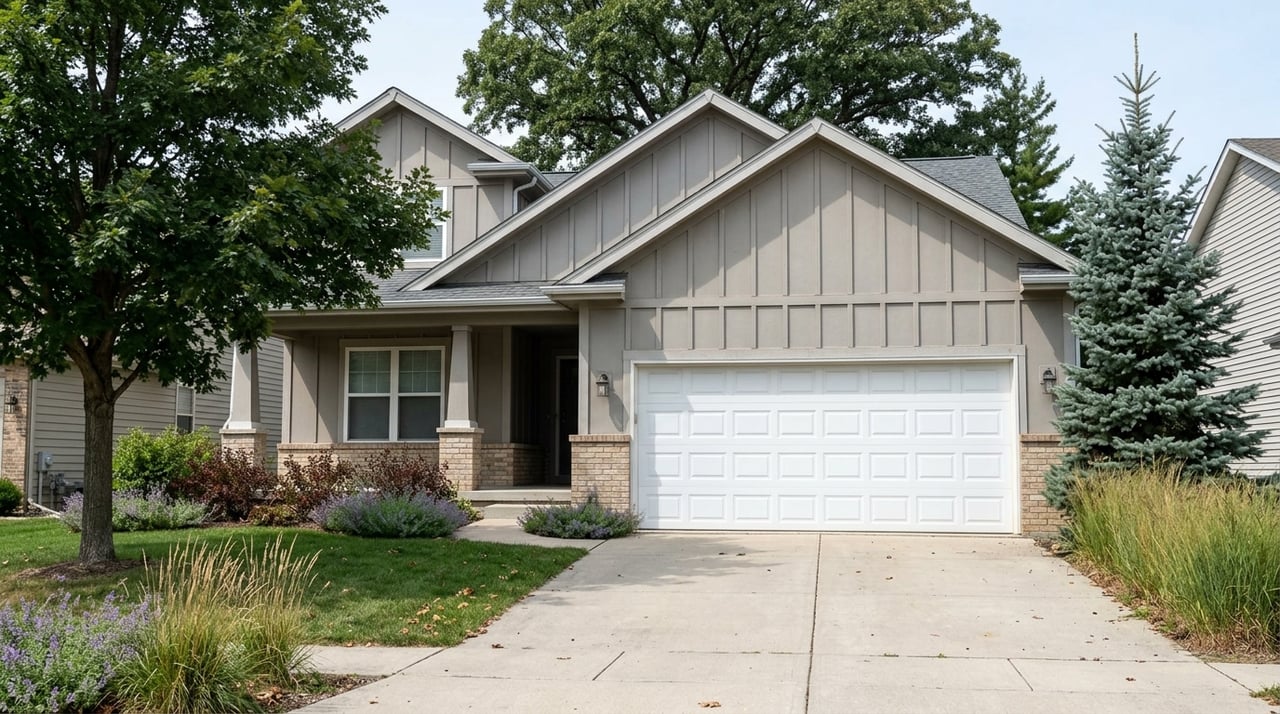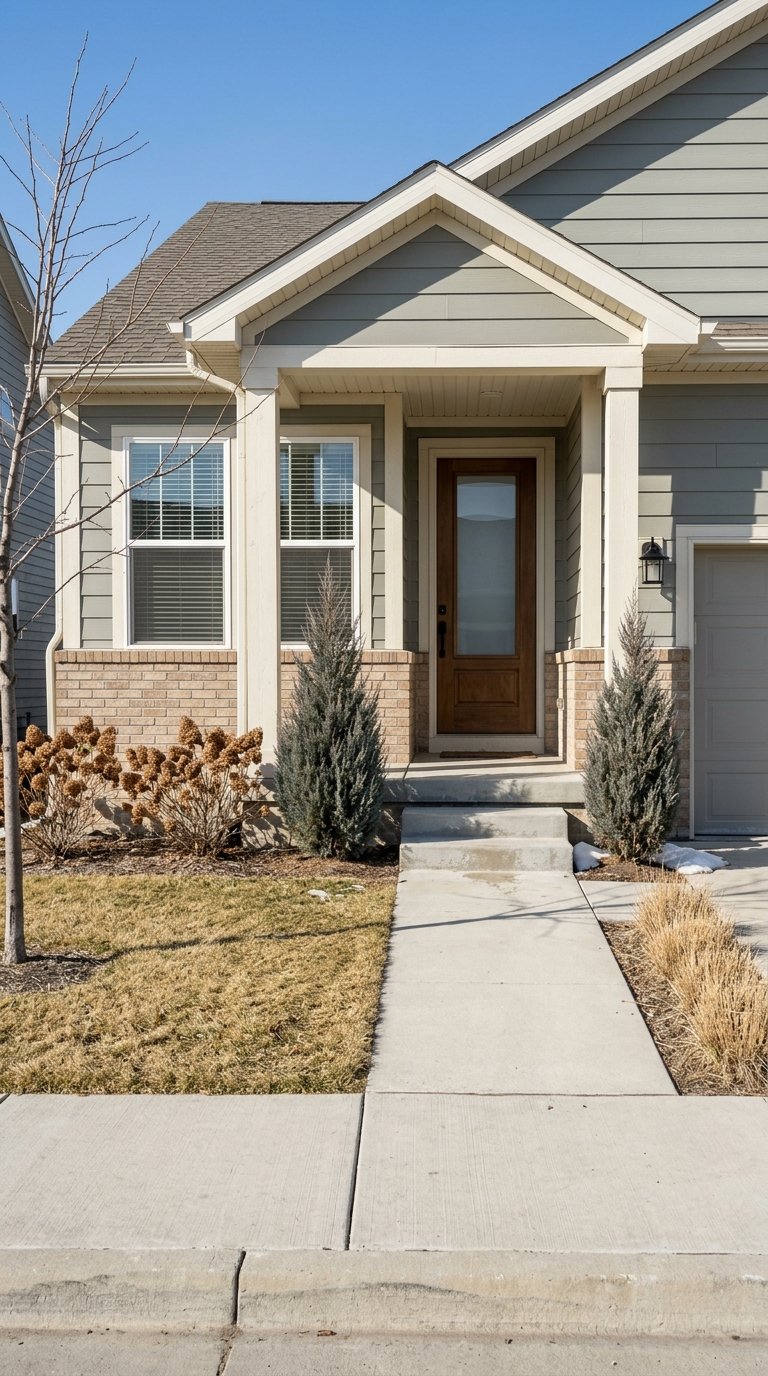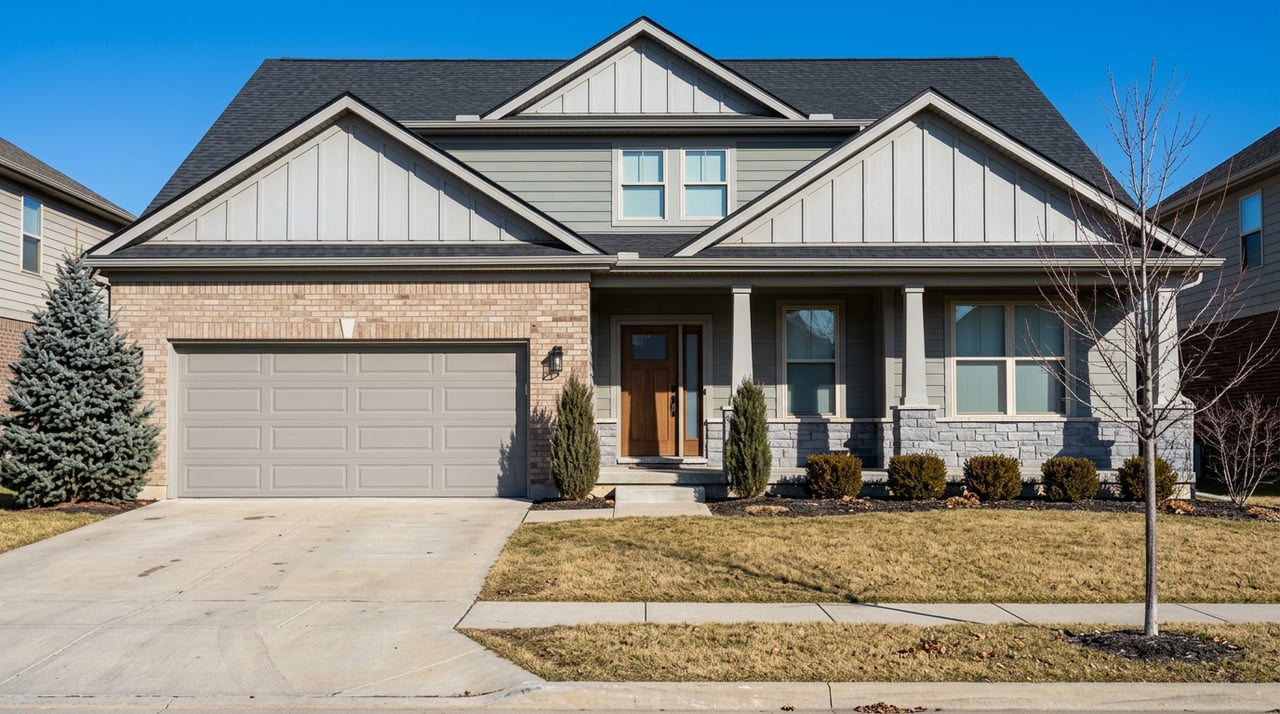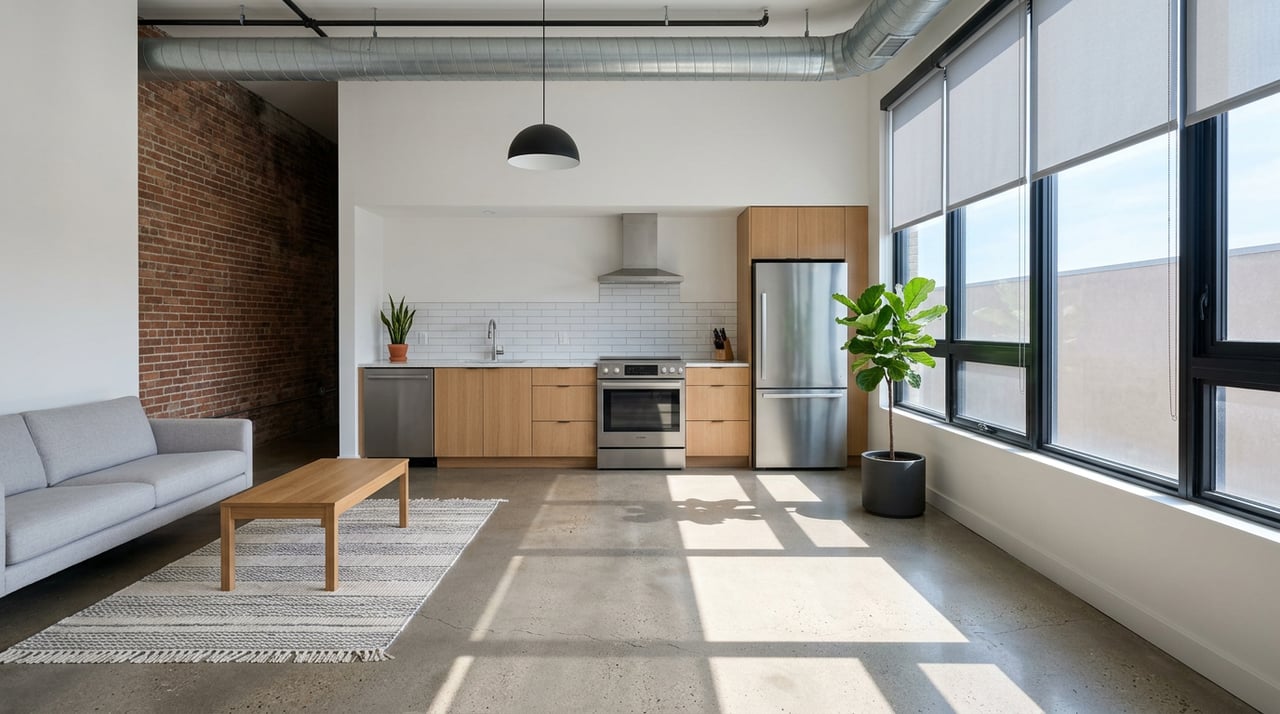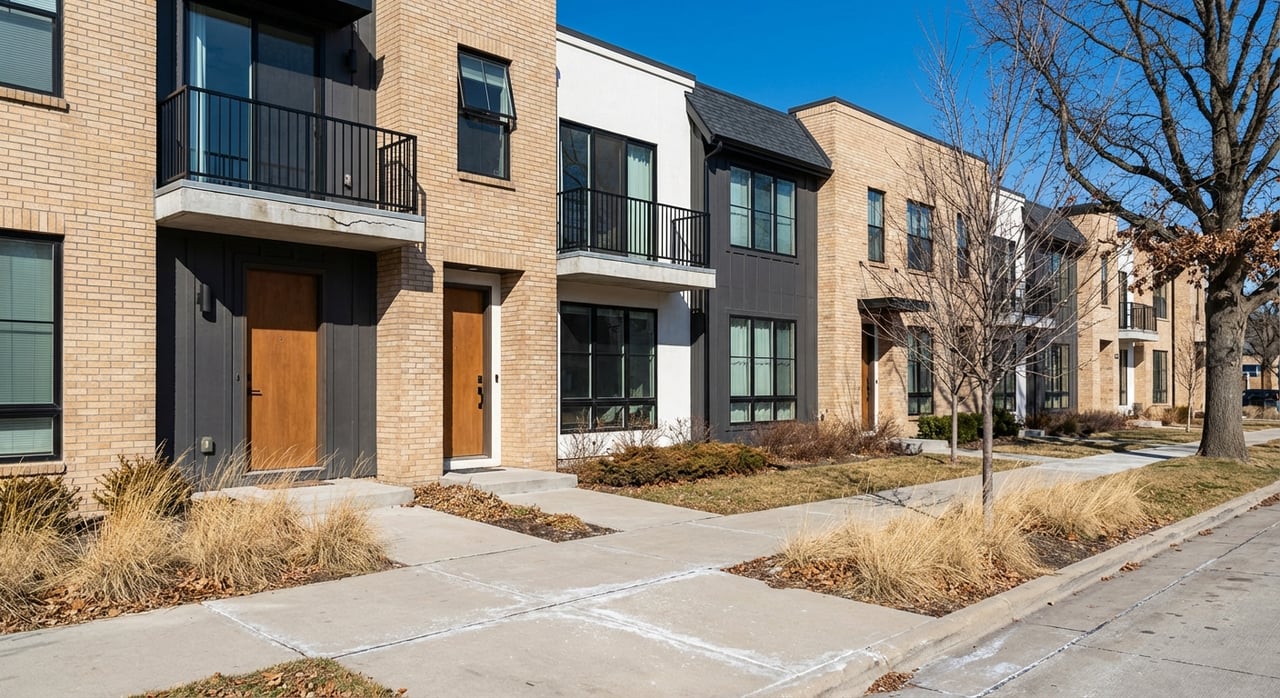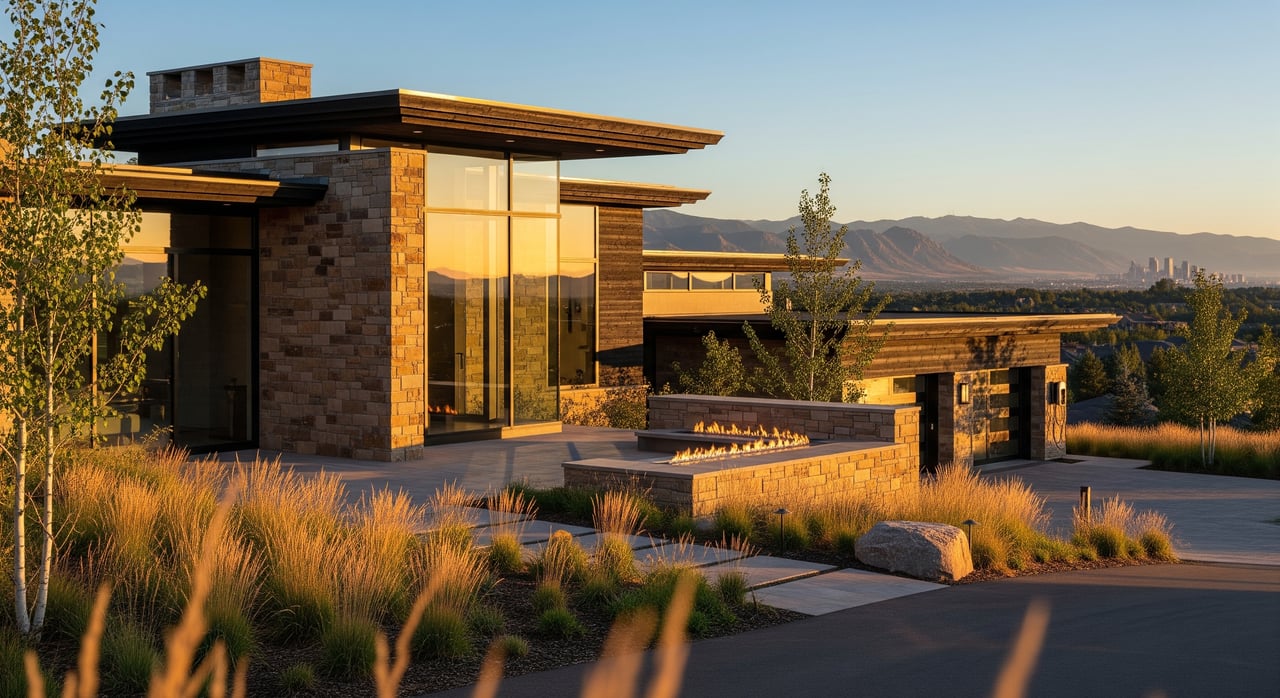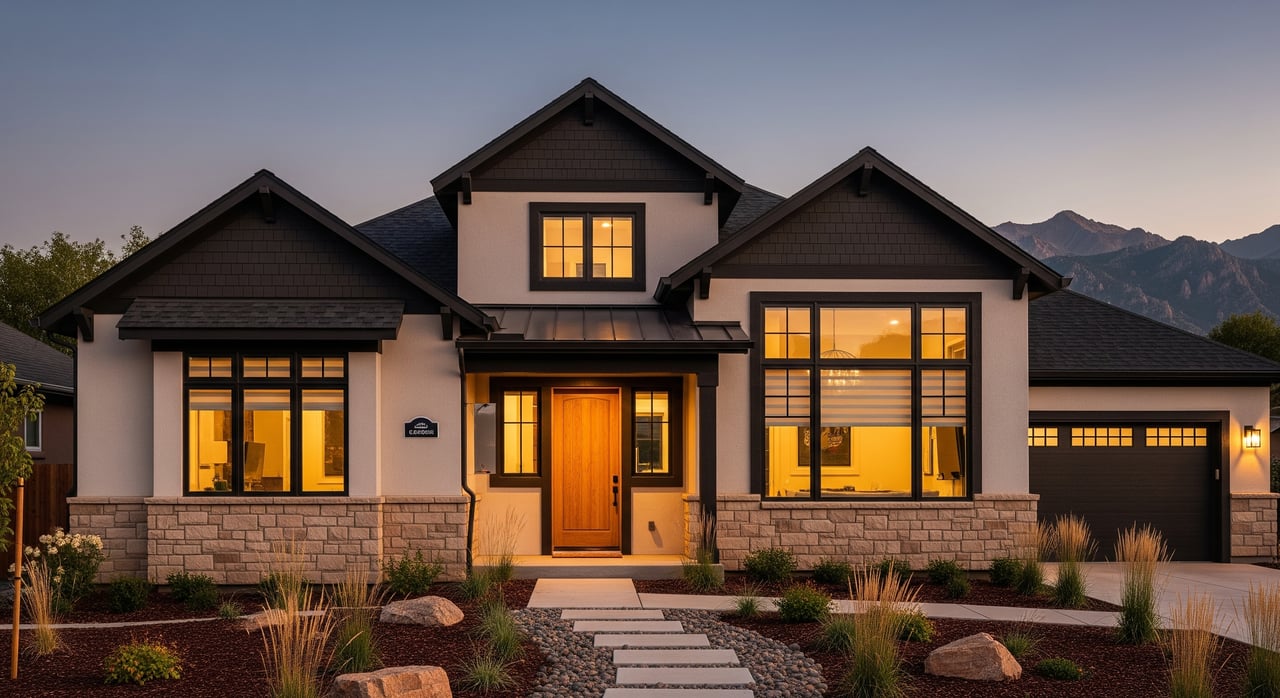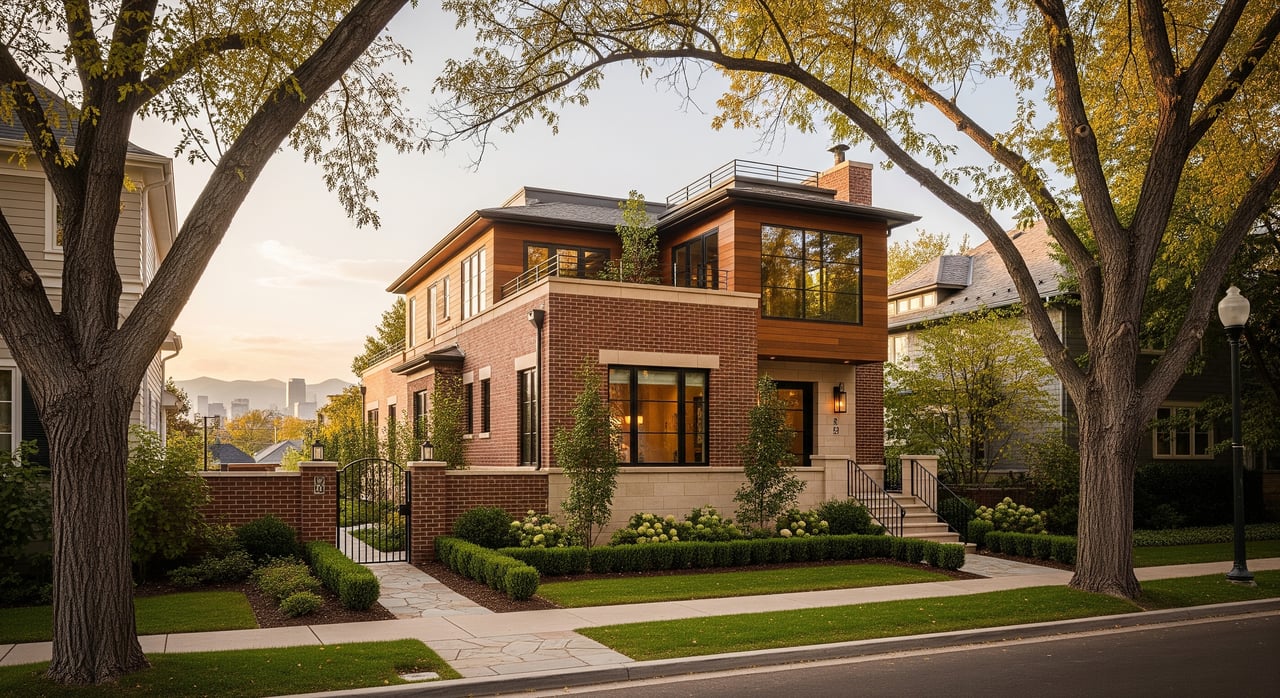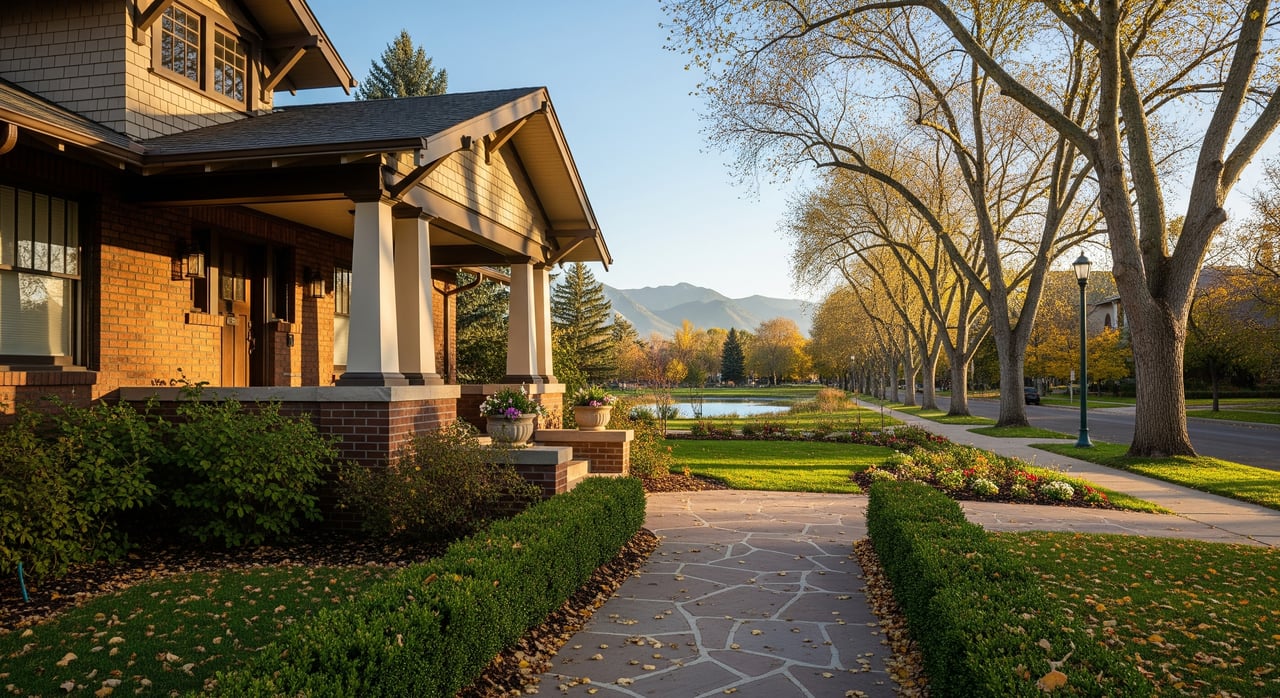
Wondering how much you should update before listing a Congress Park home? You are not alone. In a neighborhood known for historic character and central Denver convenience, the right prep can help your home stand out without losing what makes it special. This guide will walk you through how to prepare a home in Congress Park or the 7th Ave Historic District for today’s buyer, from smart repairs to staging and timing. Let’s dive in.
Start With What Buyers Notice Most
Today’s buyers are still active in the Denver market, but they are making more measured decisions. REcolorado’s May 2026 Denver Metro report showed a median home price of $615,000, a median of 16 Days in MLS, and about 13 weeks of inventory. That means your home can attract attention, but presentation and pricing still matter.
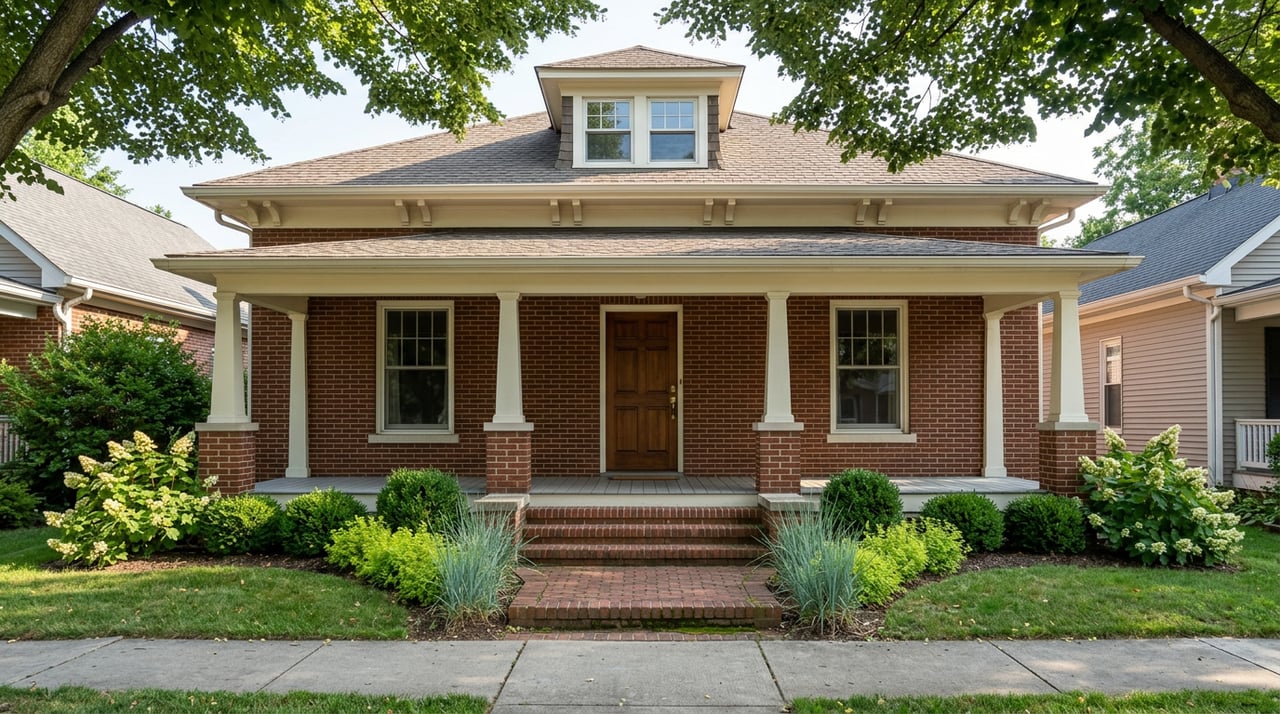
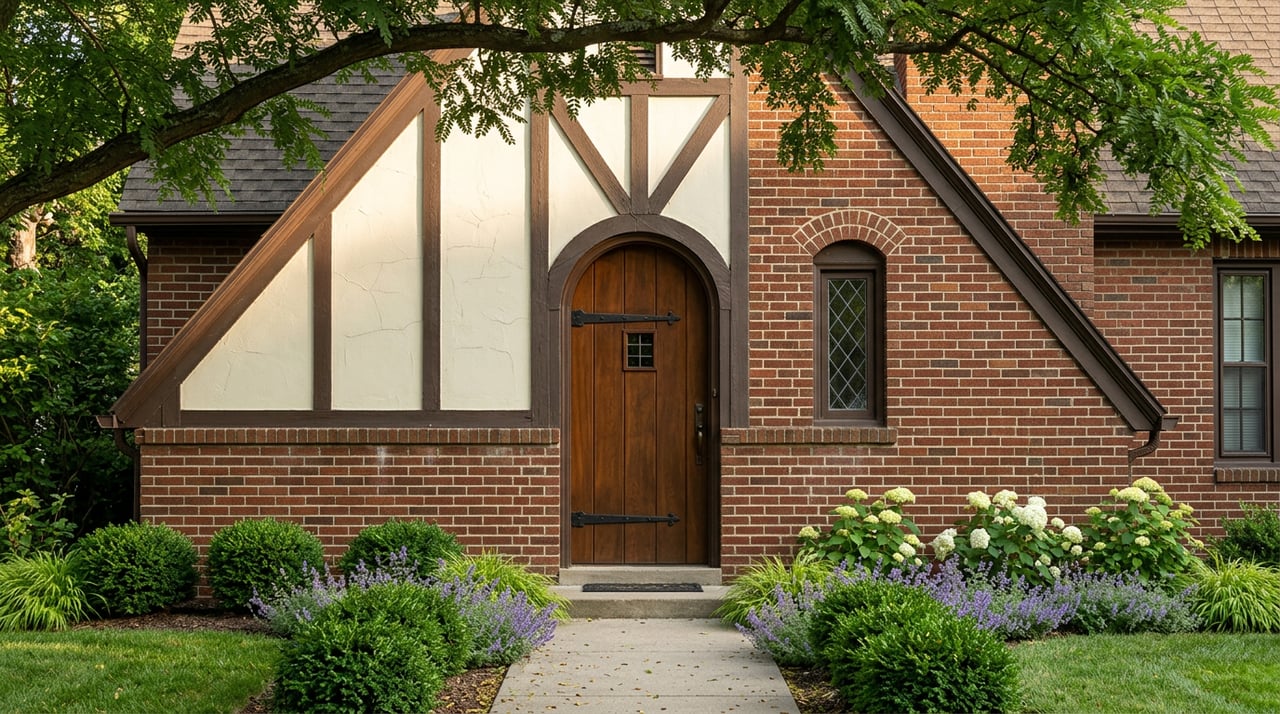
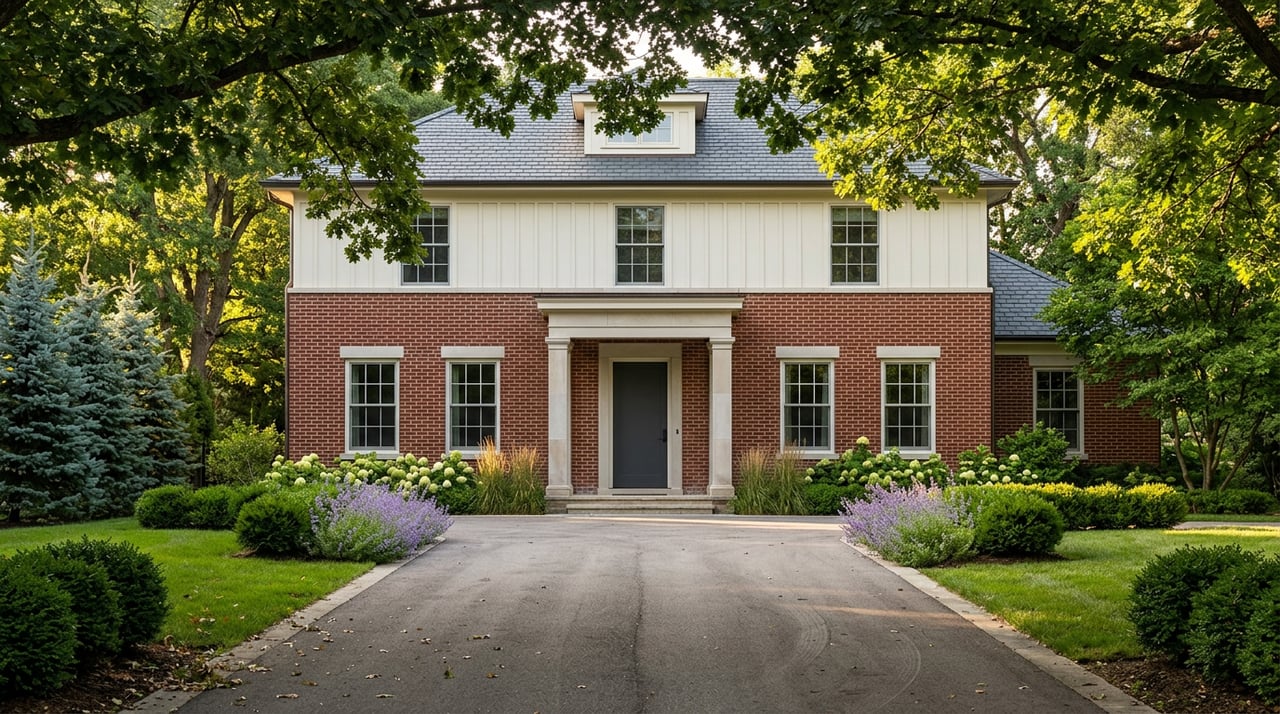
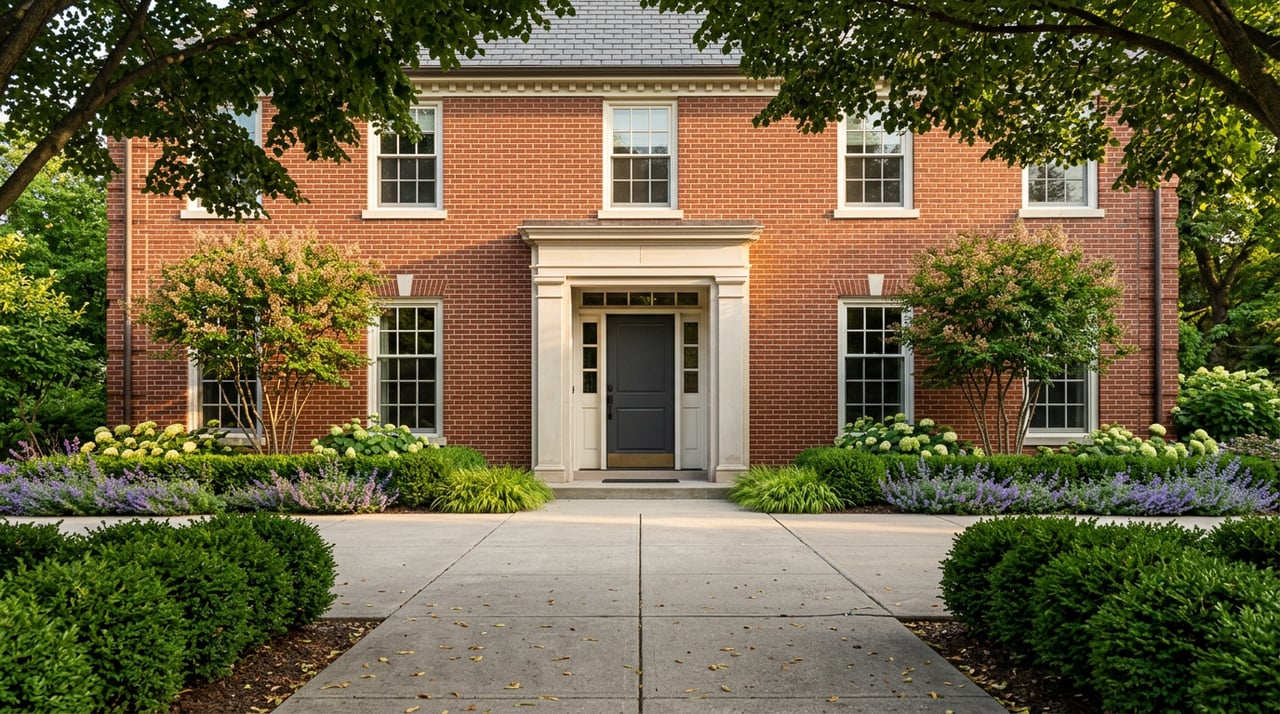
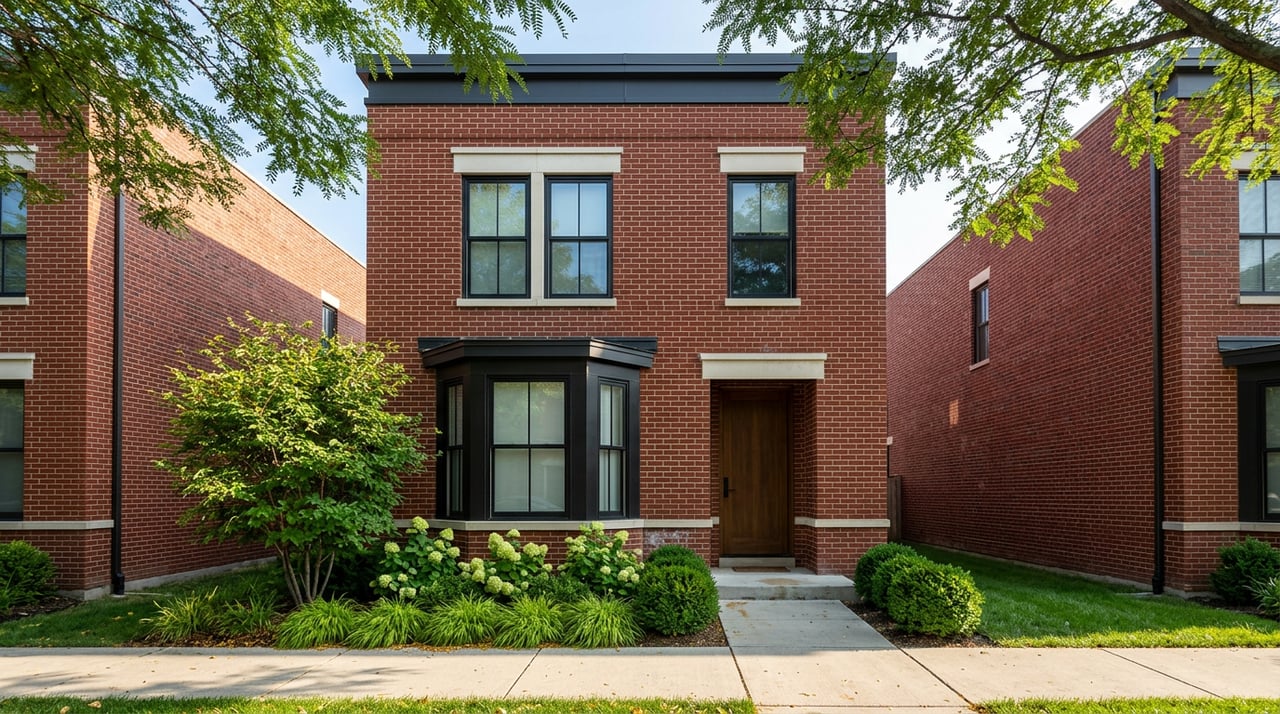
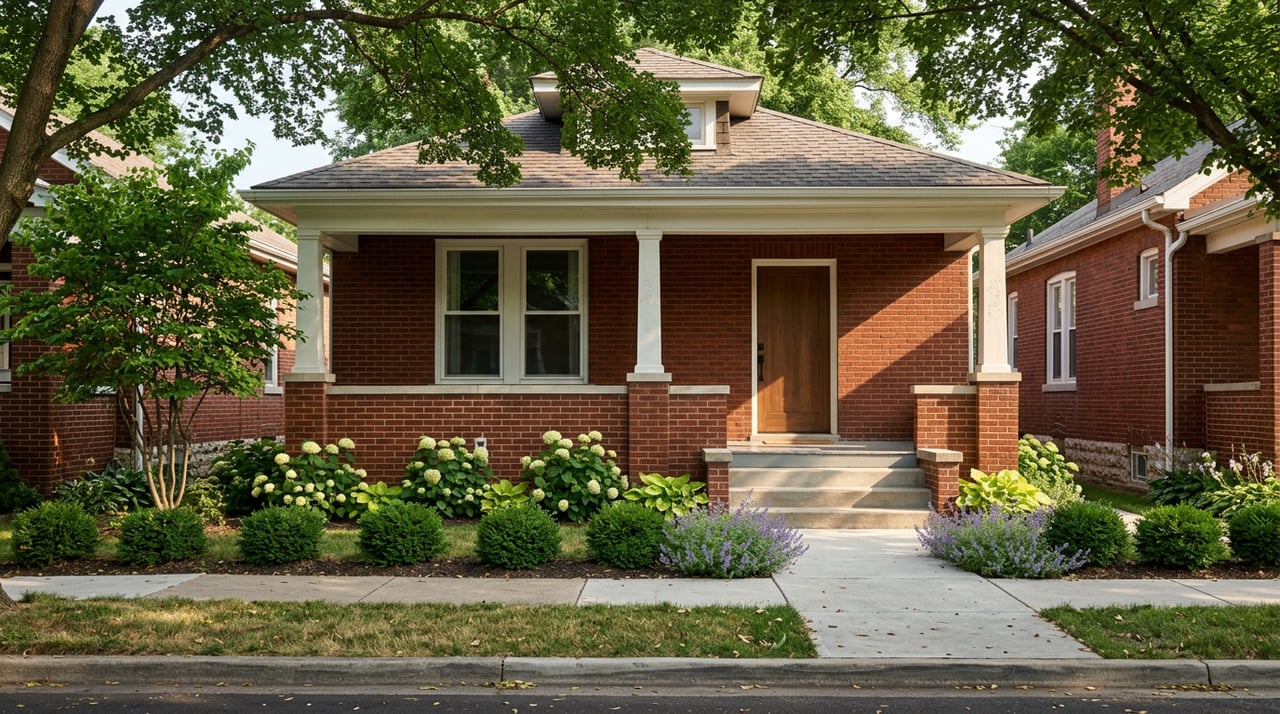
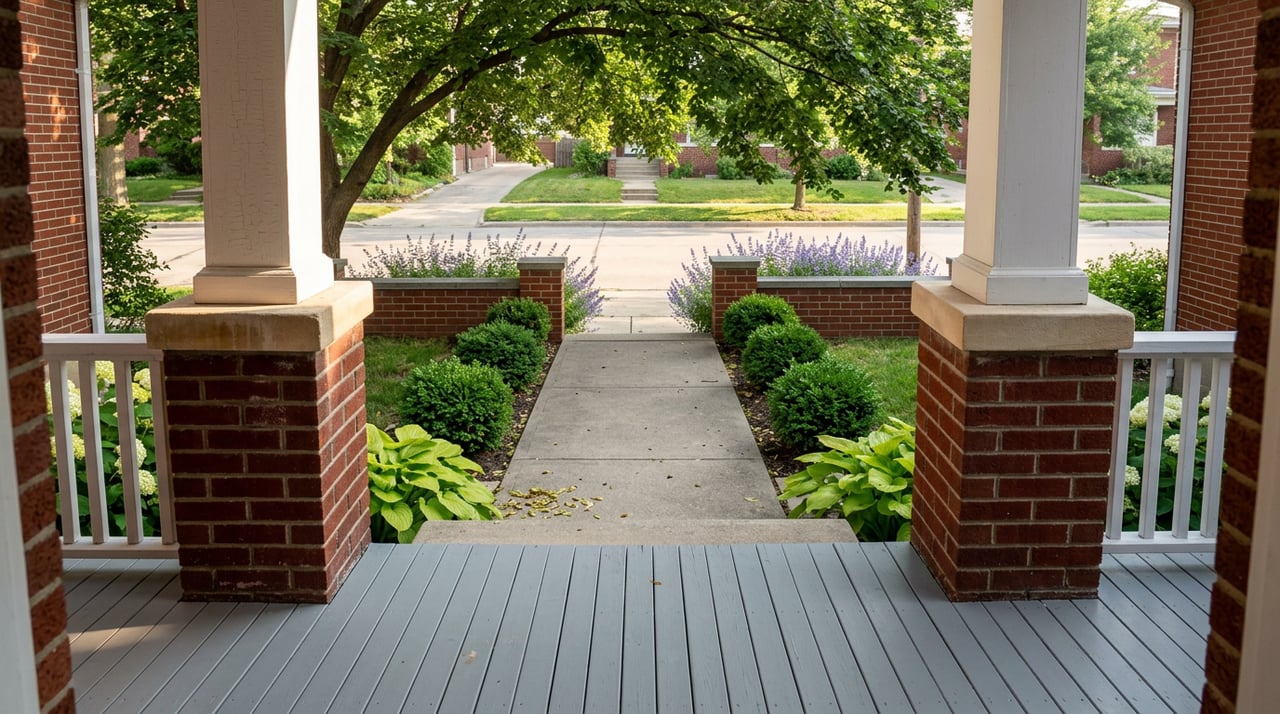
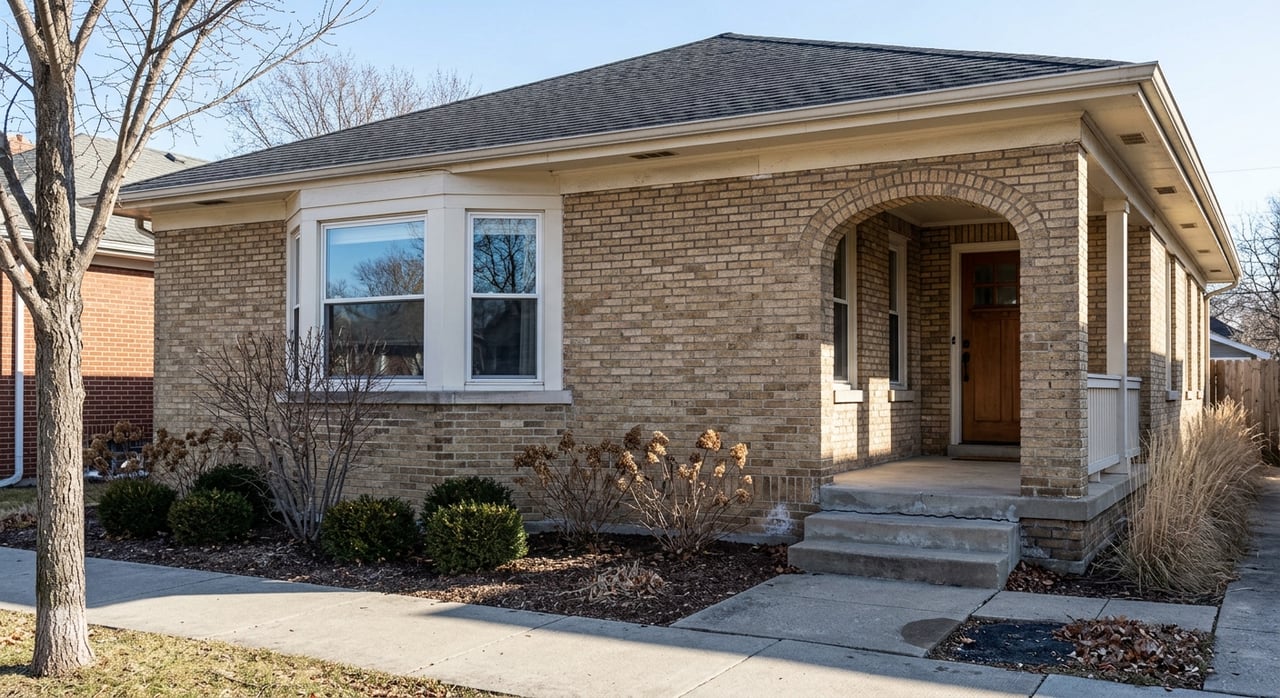
In Congress Park, buyers are often weighing charm and function at the same time. Many homes in the area date back to the late 1800s through the 1920s, with styles that include Queen Anne, Victorian, Craftsman Denver Squares, and bungalows. Buyers may accept a smaller footprint if the home feels well cared for, easy to live in, and connected to the neighborhood around it.
Focus on Livability, Not Size
Buyer preferences have shifted toward how a home lives day to day. Recent preference data shows that many buyers are more willing to compromise on home size, garage size, or room size if they can get a more modern kitchen and better efficiency. They also place a high value on access to parks, trails, walkability, and casual neighborhood destinations.
That matters in Congress Park and the East 7th Avenue Historic District. Your home does not need to be the biggest option on the market to compete well. It needs to feel functional, inviting, and ready for the next owner.
Highlight Everyday Function
As you prepare to sell, think about the spaces that shape daily life. A bright kitchen, comfortable living room, organized entry, and usable outdoor space can carry real weight with buyers.
If your home has original details, those can still be a major asset. The goal is to show that the character is intact and the home also works well for modern living.
Prioritize Repairs in the Right Order
One of the biggest mistakes sellers make is spending money in the wrong places first. A better approach is to handle major maintenance, refresh the visible surfaces buyers see right away, and then decide whether kitchens or bathrooms need selective updates.
This approach helps reduce buyer uncertainty. It also makes your prep budget work harder.
Step 1: Handle Major Maintenance First
Before you think about paint colors or decor, look at the items that signal care and condition. NAR’s 2025 Remodeling Impact Report says agents most often recommend painting the entire home, painting a single room, and installing new roofing before listing. The same report found strong recent demand for kitchen upgrades, new roofing, and bathroom renovations.
For older homes, deferred maintenance can raise more buyer questions than outdated finishes do. If the roof, exterior materials, or visible wear suggest bigger issues, buyers may become cautious early.
Step 2: Refresh the Surfaces Buyers See
Once the major items are addressed, move to the visible surfaces that shape first impressions. Fresh paint, repaired trim, clean floors, and a polished entry can make a home feel more move-in ready.
Because many sellers have owned their homes for years, it can be hard to tell what reads as normal wear and what stands out to a buyer. Scuffed walls, dated light wear, sticky doors, cracked caulk, and tired finishes may seem minor, but together they can make a home feel less cared for.
Step 3: Make Selective Kitchen and Bath Updates
You do not always need a full remodel to improve buyer response. In many cases, selective updates are enough to help a kitchen or bath feel cleaner and more current.
Focus on the changes that improve function and visual simplicity. If a full renovation is not practical, small improvements can still help buyers see the home as manageable rather than overwhelming.
Protect Historic Character While You Prep
This is especially important in Congress Park and even more so in the East 7th Avenue Historic District. Denver’s preservation guidance says properties within a historic district boundary are subject to design review, and character-defining features can include architectural style, materials, windows, porches, and site features.
That means prep work should not strip away the very details that make the home appealing. Repairs should support the home’s character, not flatten it.
Preserve What Defines the Home
For many historic homes, the strongest features are also the most memorable. Original windows, porch details, masonry, trim, and period materials can shape how buyers feel about the property.
If those elements need repair, the safest strategy is usually to preserve them where possible. Buyers looking in these parts of Denver are often responding to both history and livability, so a thoughtful balance matters.
Check Historic Review and Permit Issues Early
If your property is in a historic district, timing matters just as much as design. Denver says Landmark Preservation reviews exterior changes that require a building or zoning permit when a property is in a historic district or is an individual landmark. The city also states that all roofing and siding work on historic-district properties must be approved first.
Garages and some accessory structure work may also need added review. Denver says garages in a historic district require a certificate of appropriateness, and demolition of accessory structures may also require Landmark Preservation approval.
Build Review Time Into Your Timeline
If you are planning exterior work, do not wait until the last minute. Building review time into your prep schedule can help you avoid delays, rushed decisions, or marketing interruptions.
Completing approvals first also makes it easier to present the home clearly. Buyers tend to feel more confident when visible work is complete or properly documented.
Stage for Warmth and Clarity
Staging can make a meaningful difference, especially in homes with older layouts or more distinctive architecture. In NAR’s 2025 staging report, 83% of buyers’ agents said staging made it easier for buyers to picture the property as their future home. Another 29% of sellers’ agents said staging led to a 1% to 10% increase in the dollar value offered.
For Congress Park homes, staging should help buyers understand both the character and the flow. It should not feel overly trendy or disconnected from the architecture.
Prioritize the Most Important Rooms
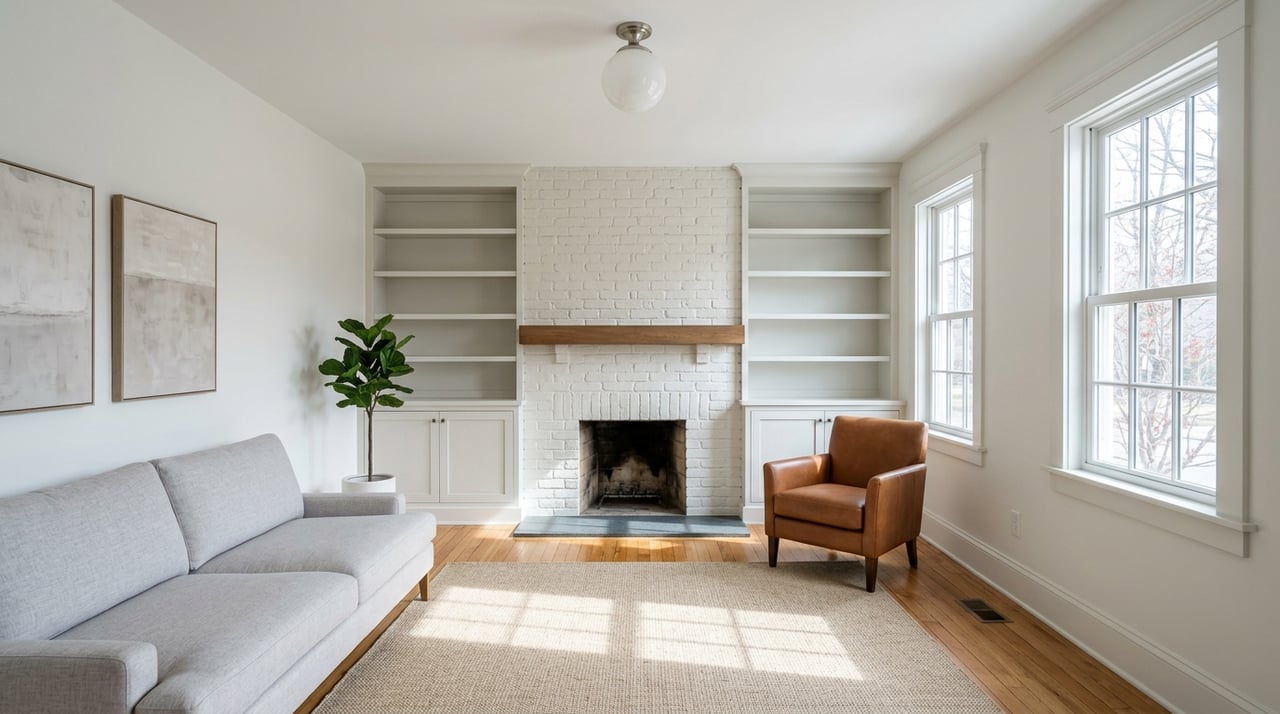
The rooms buyers care about most are the living room, primary bedroom, and kitchen. If your staging budget is limited, start there.
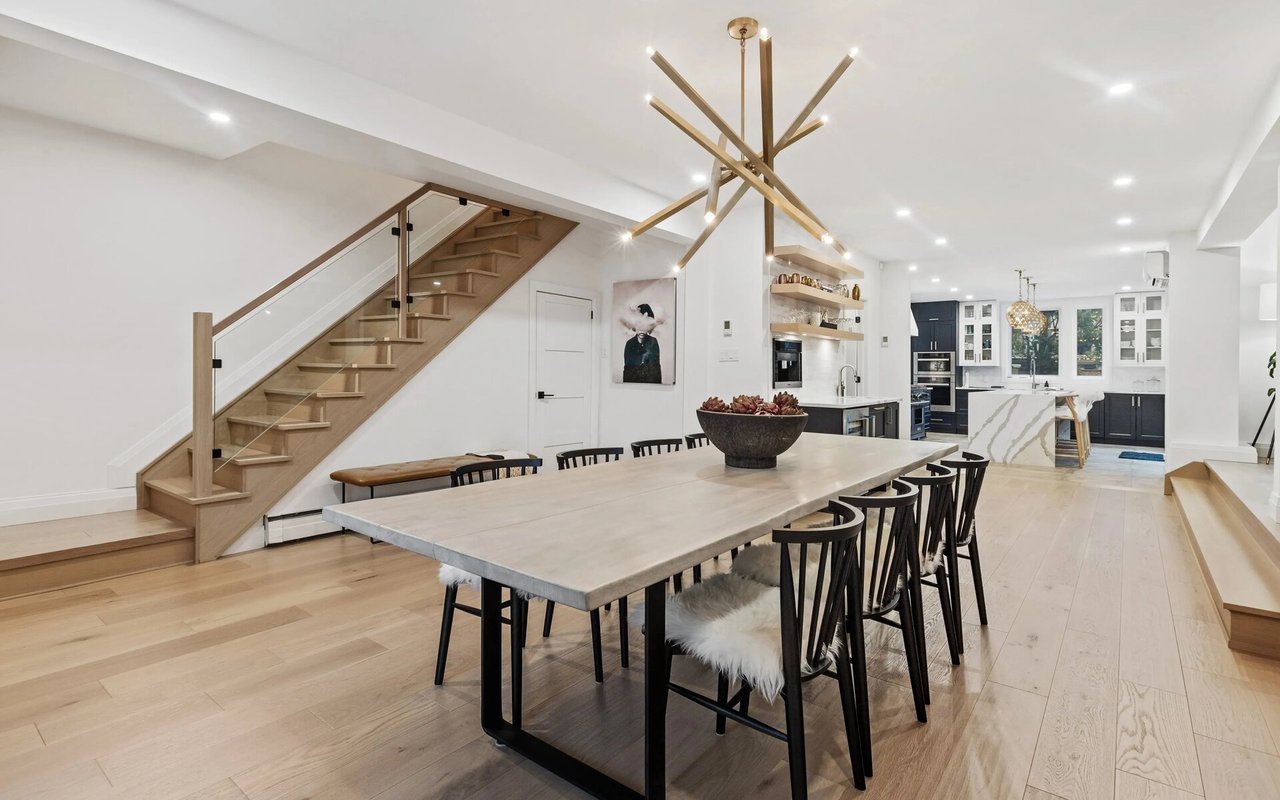
Keep furnishings simple, scale them correctly, and let the home’s details breathe. In older homes, too much furniture can make rooms feel smaller, while the right layout can make them feel more functional.
Declutter and Fix Small Faults
Even when a home is not fully staged, decluttering and fixing property faults can improve the way it shows. Buyers who do not want to take on immediate renovation costs often respond well to homes that feel clean, manageable, and lower maintenance.
That does not mean pretending the home is brand new. It means removing distractions so buyers can focus on the home itself.
Invest in Strong Listing Presentation
Your online presentation matters just as much as your in-person showing experience. Buyers’ agents rate photos, physical staging, videos, and virtual tours as highly important. That is especially true for a home with historic character, where details and atmosphere need to come through clearly.
A polished listing should show both beauty and usability. Buyers should be able to see the architectural details, but they should also understand how the home lives room to room.
Tell the Right Story
For a Congress Park or 7th Ave Historic District listing, the most effective message is often simple. The home has period character, the important systems and surfaces are cared for, and any visible updates respect the property and its setting.
That story matches what many buyers want right now. They are looking for homes that feel special, but they also want fewer unknowns and a smoother move.
Price and Prep Work Together
Preparation and pricing should support each other. If a home is well prepared, staged, and marketed clearly, pricing can reflect that stronger presentation. If a seller chooses a lighter prep plan, the price may need to account for the work a buyer expects to take on.
This is one reason seller guidance matters. NAR’s 2025 buyer and seller profile found that sellers most often wanted help with marketing the home, pricing it competitively, and selling within a set timeframe.
A Smart Prep Plan for Congress Park Sellers
If you want a practical way to move forward, this is a strong starting sequence:
- Review major maintenance items first
- Identify any exterior work that may need Denver historic review
- Refresh paint and visible surfaces
- Repair small faults that create buyer hesitation
- Make selective kitchen or bath updates if needed
- Declutter and stage key rooms
- Use professional visual marketing to show character and function clearly
In neighborhoods like Congress Park and the East 7th Avenue Historic District, the goal is not to make your home look generic. The goal is to make it feel cared for, easy to understand, and ready for today’s buyer.
If you are thinking about selling and want a prep strategy that fits your home, timeline, and budget, Chriss Bond can help you build a smart plan from the start.
FAQs
What should sellers update before listing a Congress Park home?
- Start with major maintenance, then refresh visible surfaces like paint and trim, and then consider selective kitchen or bathroom updates if they improve function and buyer appeal.
Do historic district homes in Denver need special approval for exterior work?
- Yes. Denver says exterior changes that require a building or zoning permit in a historic district are subject to Landmark Preservation review, and roofing and siding work must be approved first.
How should you stage a historic home in the 7th Ave Historic District?
- Focus on the living room, primary bedroom, and kitchen, keep furnishings simple, and let original details stand out while showing buyers how the home functions.
What do today’s Denver buyers want most in an older home?
- Many buyers are prioritizing livability, a more modern kitchen, efficiency upgrades, and a home that feels move-in ready, even if it is not the largest option.
Why does listing presentation matter for Congress Park sellers?
- Strong photos, staging, video, and virtual tours help buyers understand both the home’s character and its layout, which can improve interest and reduce uncertainty.