Wondering if University Park is the right place to buy in Denver? If you are looking for a neighborhood with established homes, mature trees, nearby parks, and strong everyday convenience, University Park deserves a close look. The catch is that it is also a premium submarket, which means you need a smart plan before you start touring homes. Let’s dive in.
Why University Park stands out
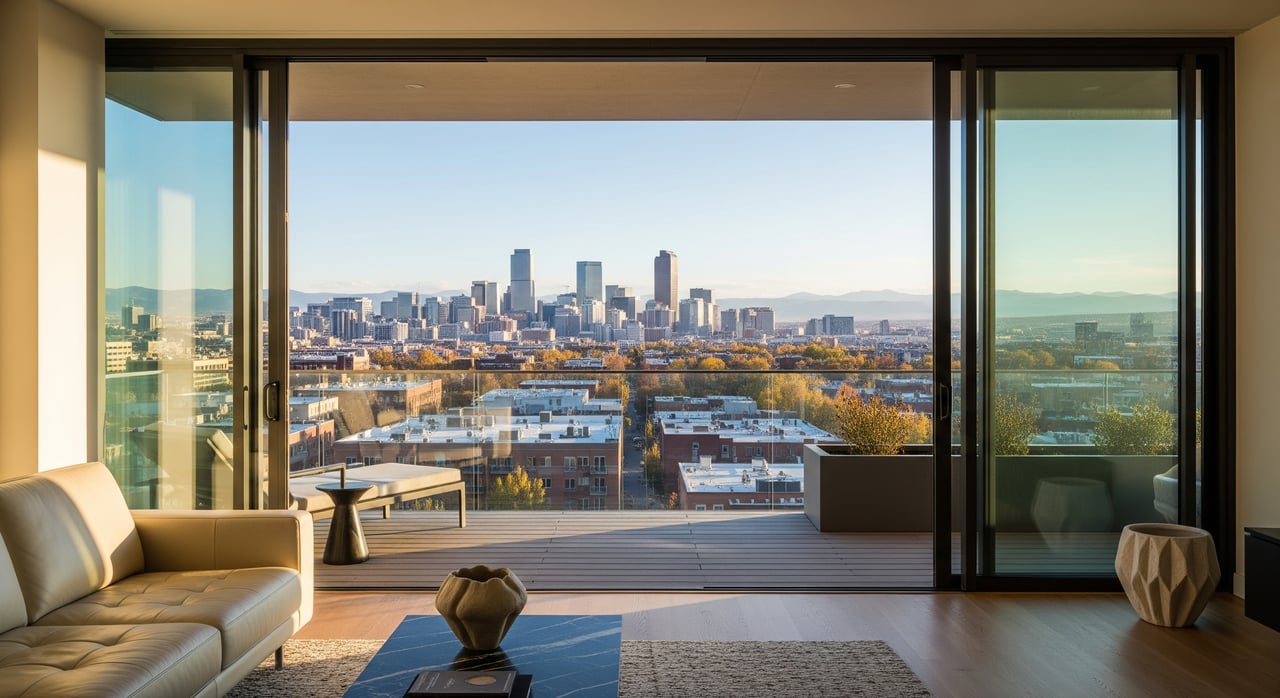
University Park sits in south-central Denver between I-25, Yale Avenue, Colorado Boulevard, and University Boulevard. It is a compact, one-square-mile neighborhood, but it offers a lot within those boundaries, including multiple parks, open spaces, and easy access to the University of Denver.
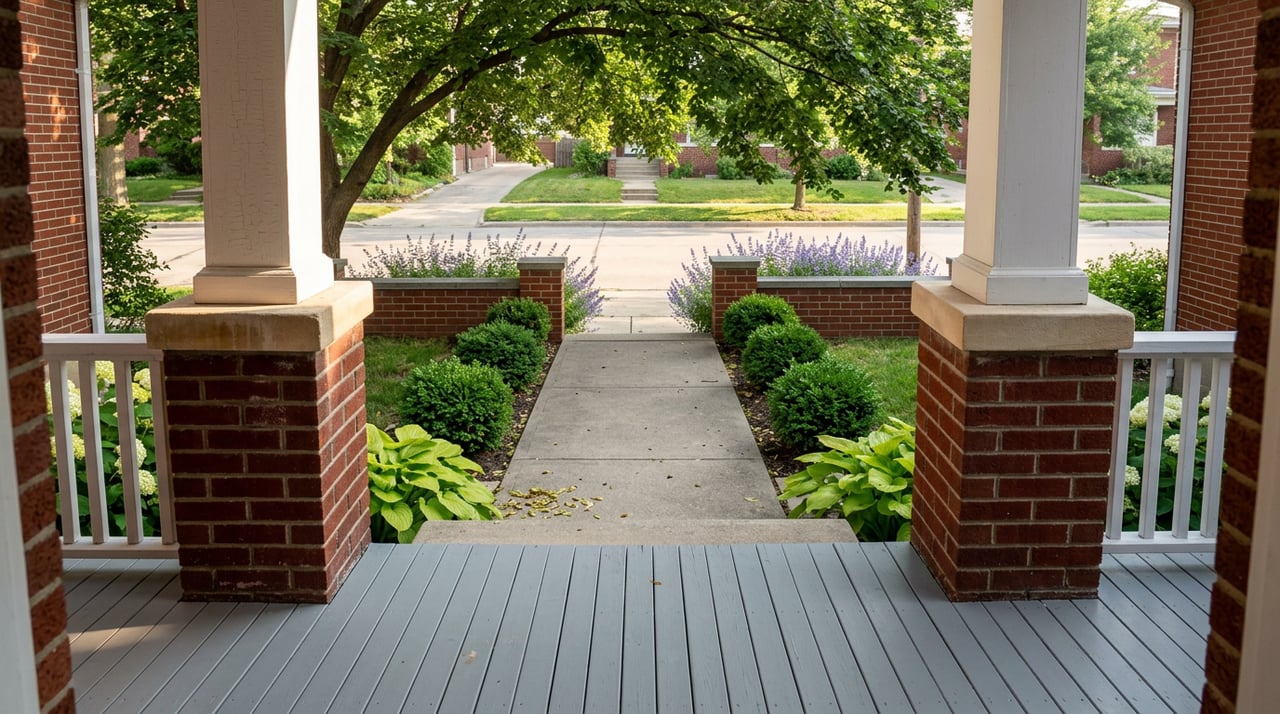
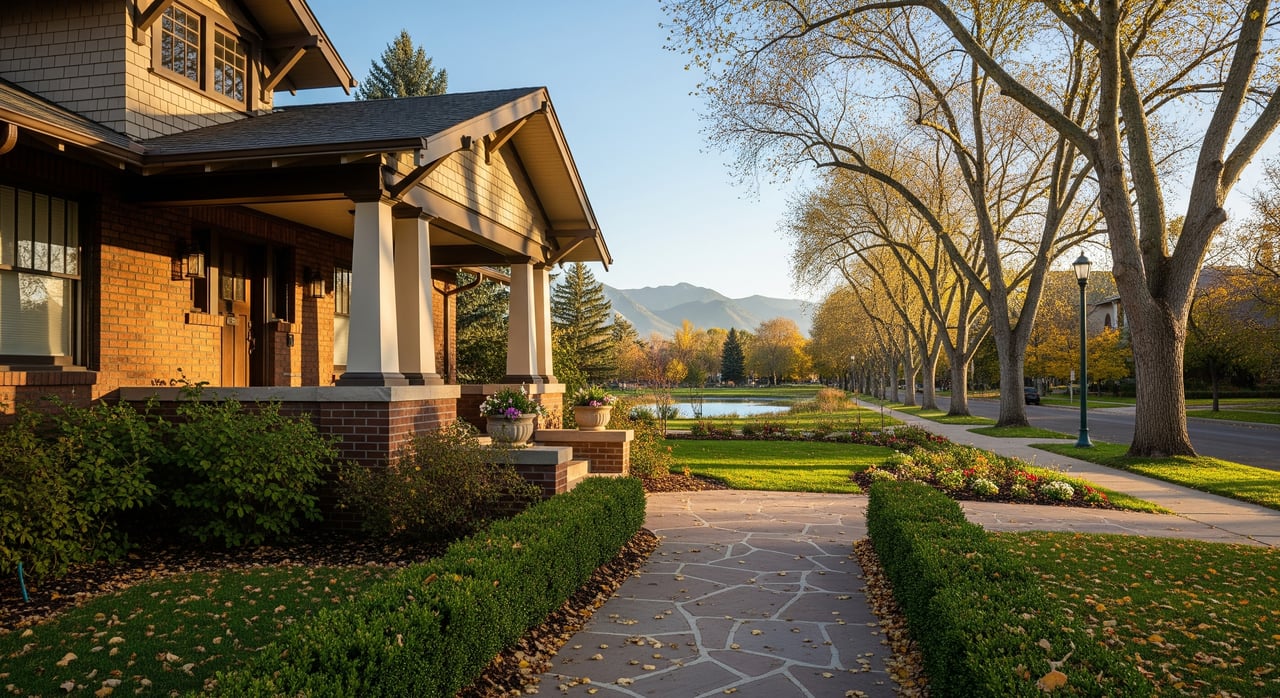
The neighborhood has deep roots tied to the University of Denver’s move south in the late 1800s. Today, that history still shapes the area’s feel. You will notice long tree-lined streets, spacious lawns, and a mix of residential blocks with nearby shopping and dining convenience.
For many buyers, that combination is the draw. University Park feels established and connected, not like a newer pocket built all at once. It gives you a more layered neighborhood experience, with older homes, updated properties, and newer construction all in the mix.
What it costs to buy here
University Park is priced well above Denver’s citywide norms. Zillow estimates the typical home value here at $1,020,950, with a median list price of $960,000. Realtor.com reports a median listing price of $949,000 and a median sold price of $705,000.
That matters because Denver overall is more affordable by comparison, with a median sale price around $609,685. In other words, when you buy in University Park, you are entering a premium neighborhood market, not shopping at the city average.
Inventory also tends to stay somewhat limited. Recent reporting showed between 44 and 57 homes for sale, depending on the source, with a median time on market of about 32 days. Homes are selling for about 97% of list price on average, so list price is better viewed as a starting point than a promise.
What kinds of homes you will see
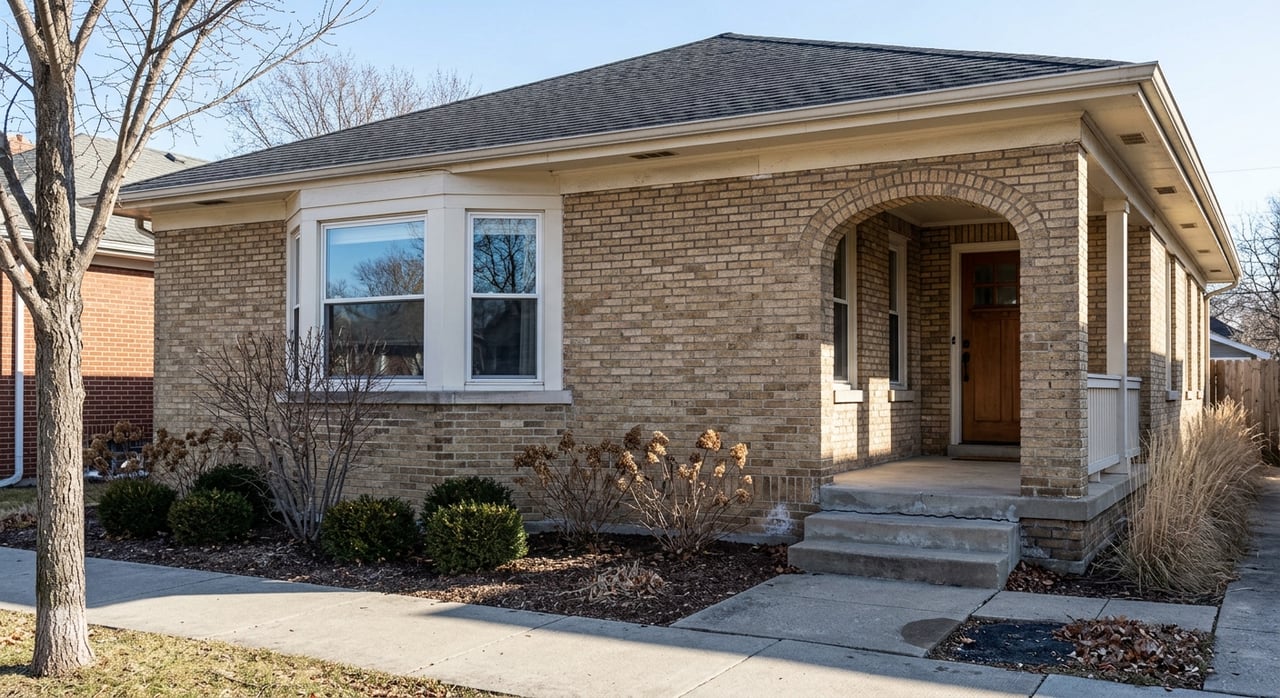
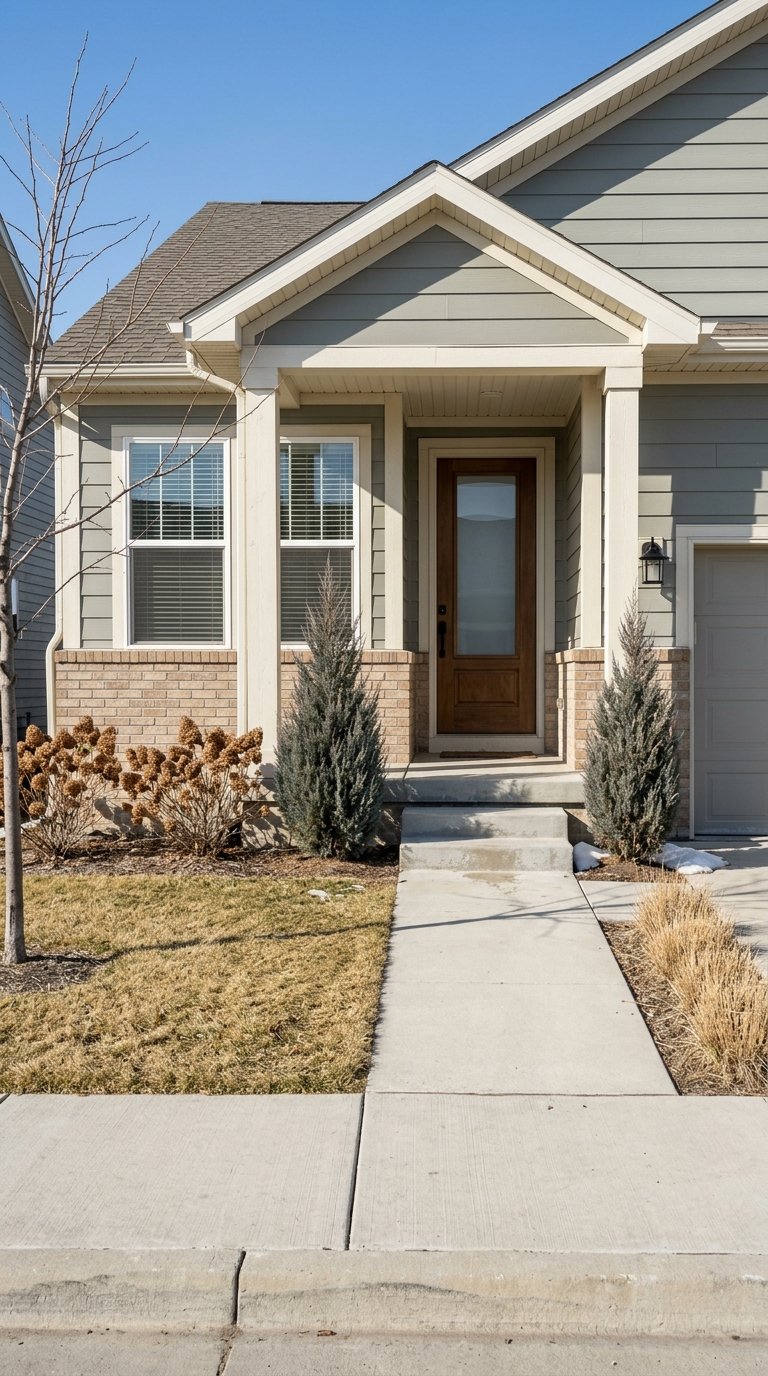
Most buyers come to University Park for detached homes. The housing stock is largely single-family, and that gives the neighborhood a more consistent residential feel than areas with heavier condo or large-scale multifamily development.
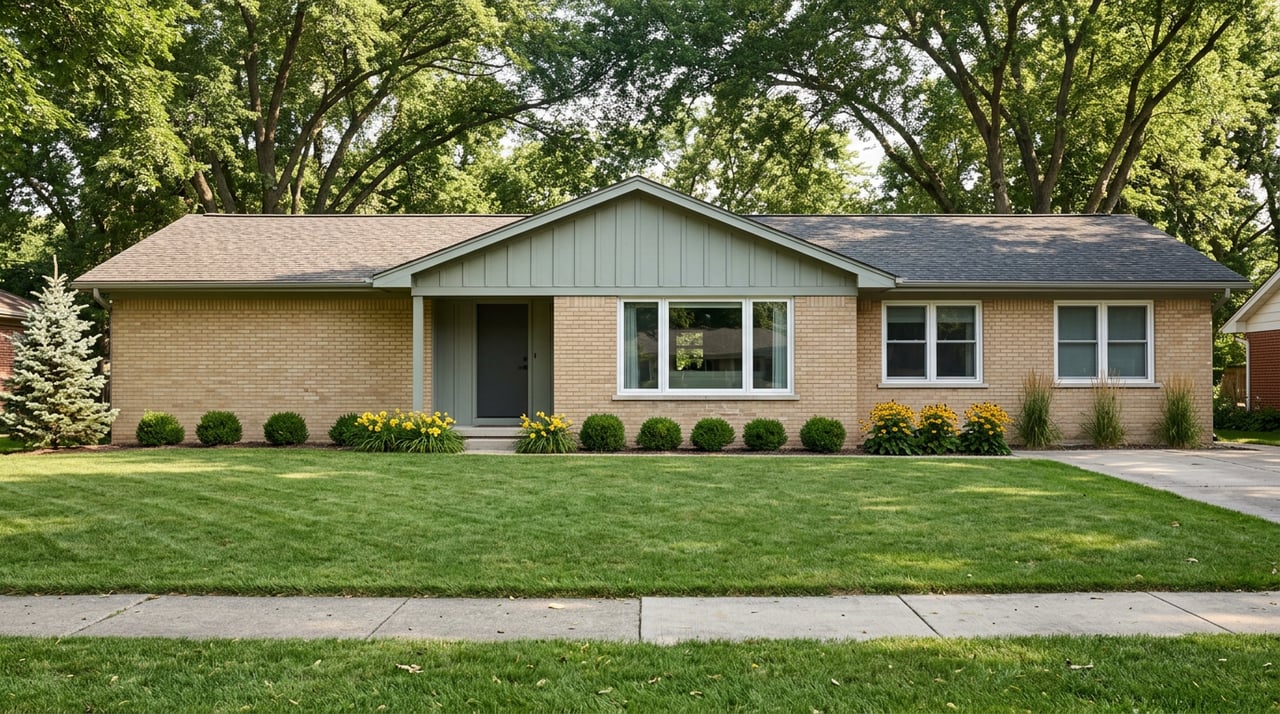
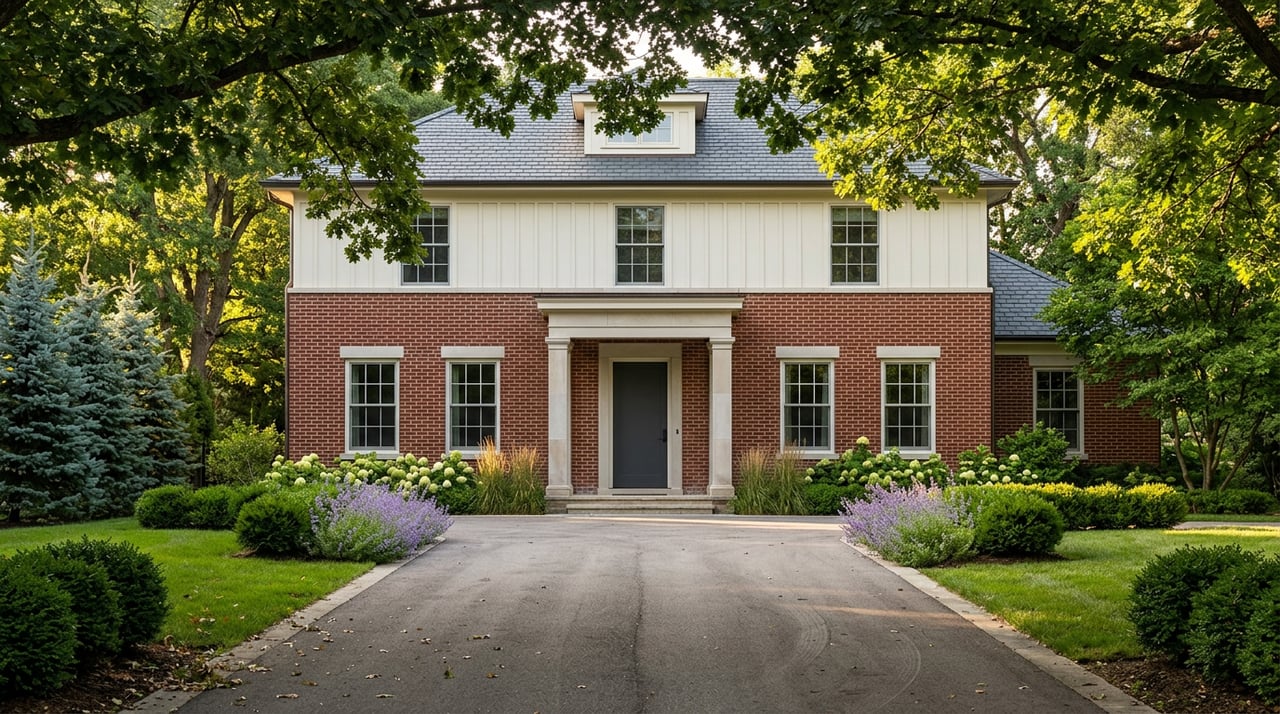
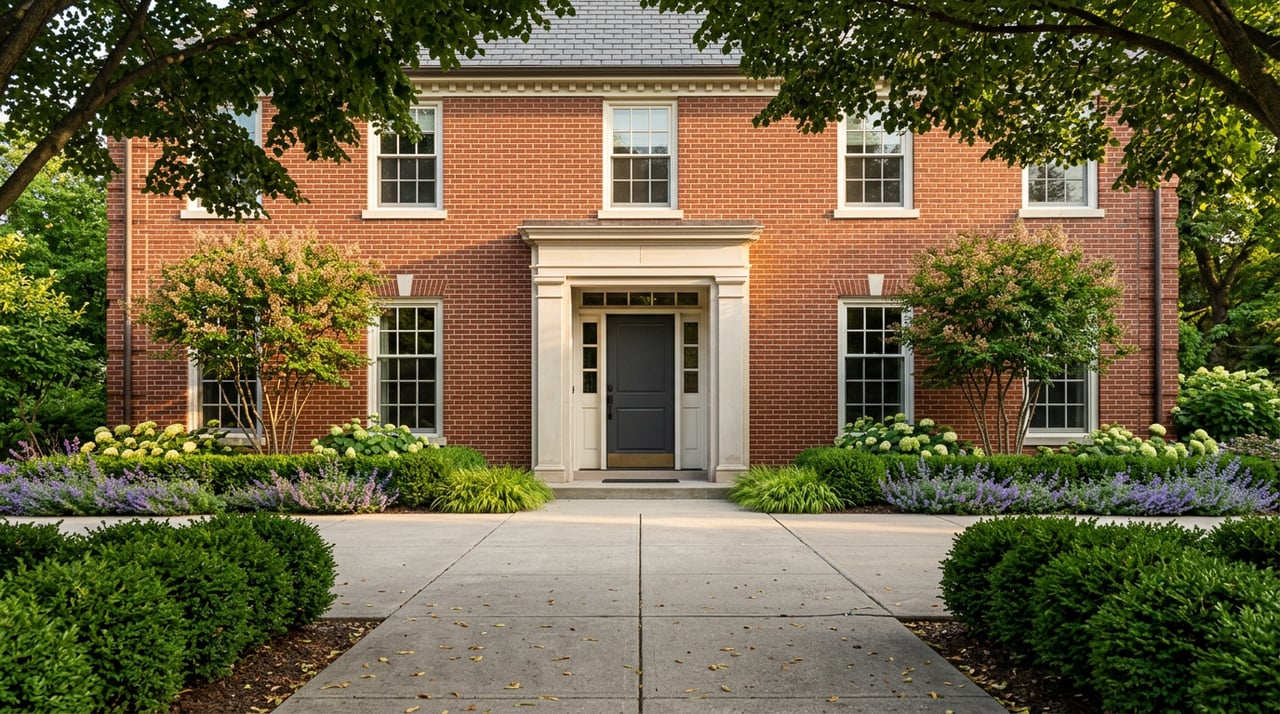
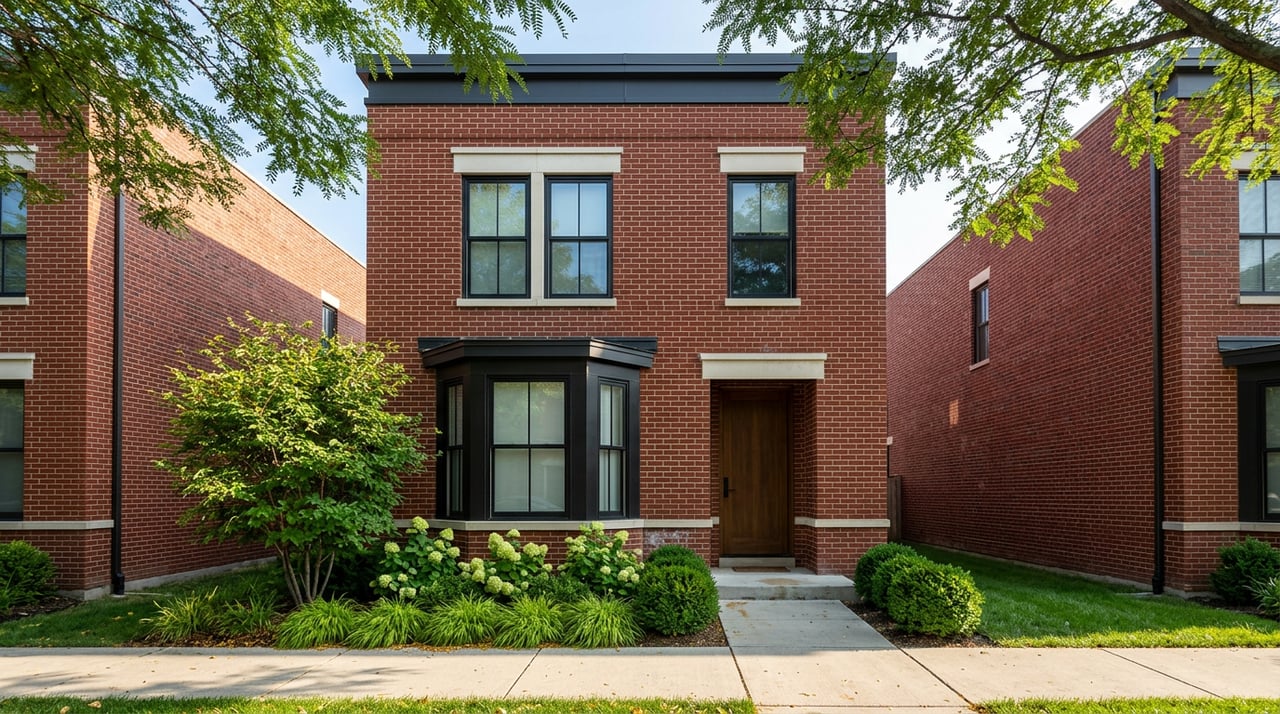
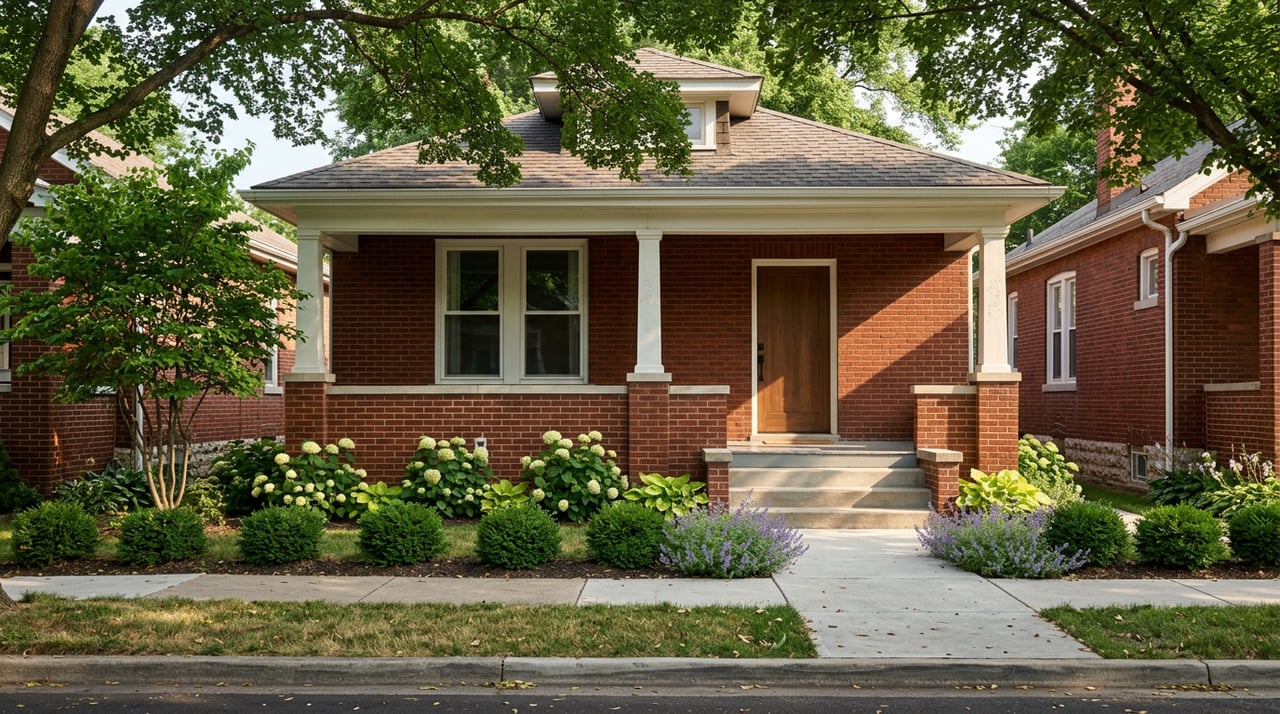
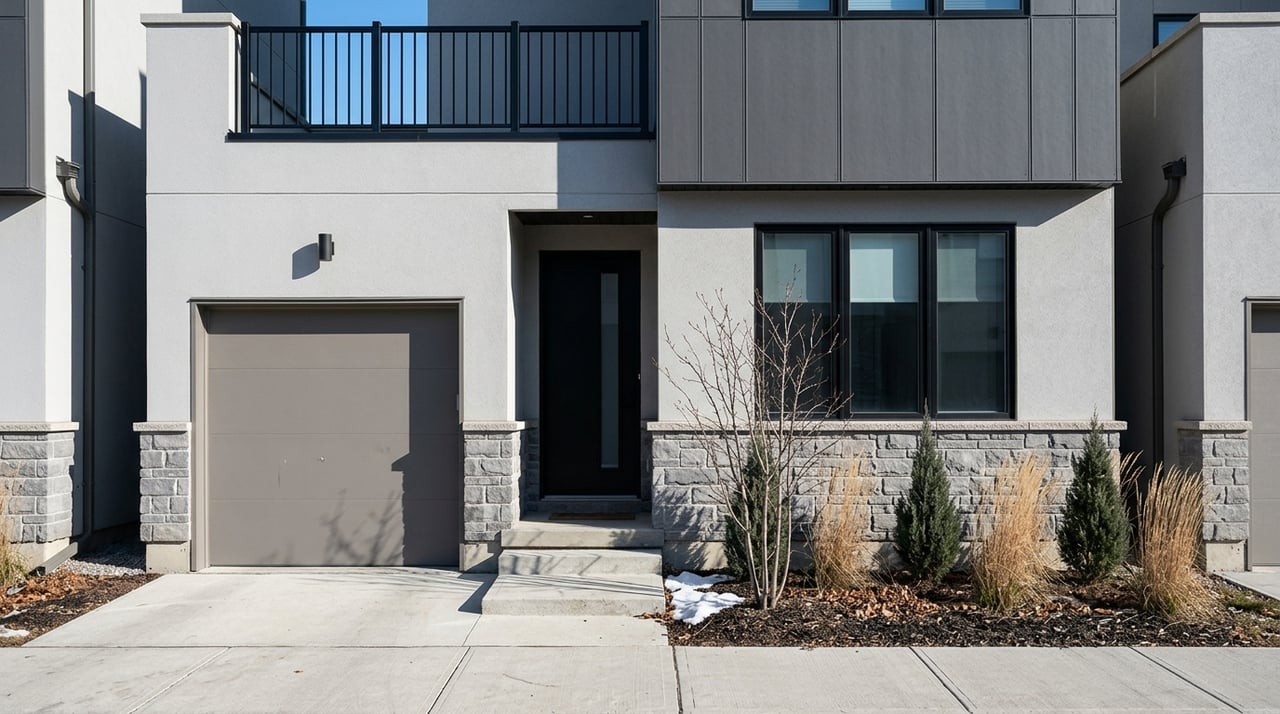
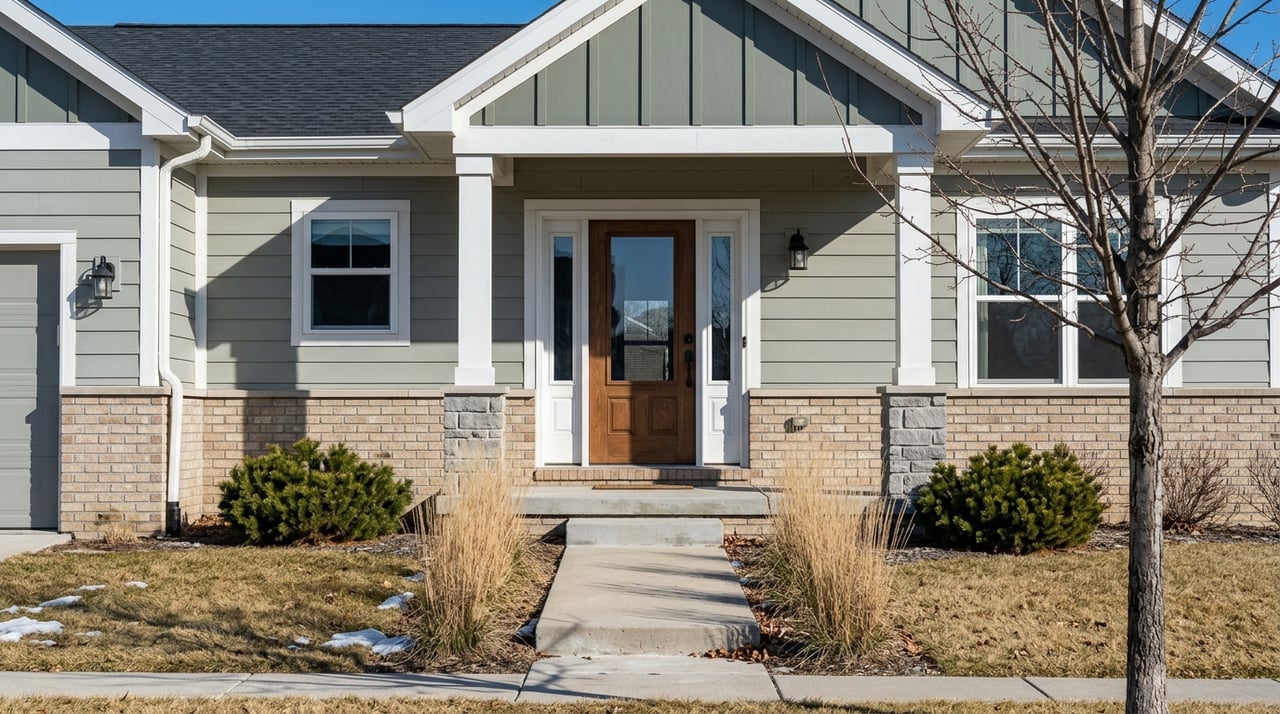
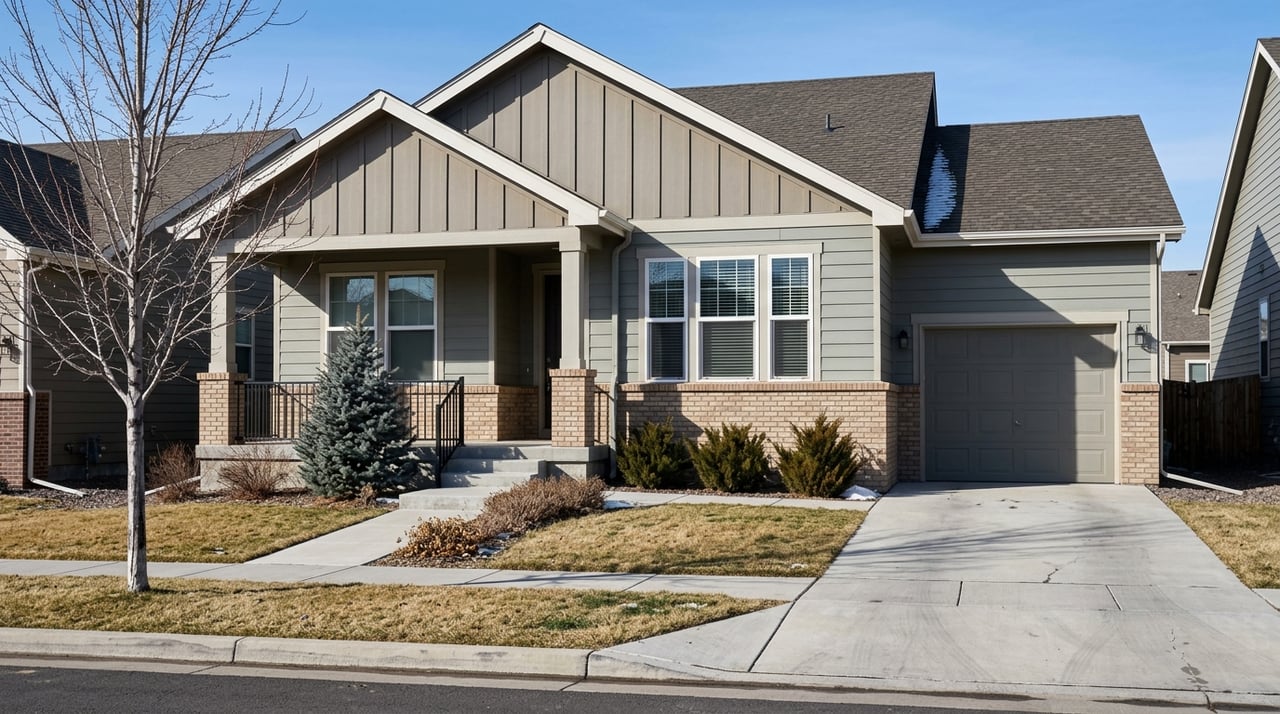
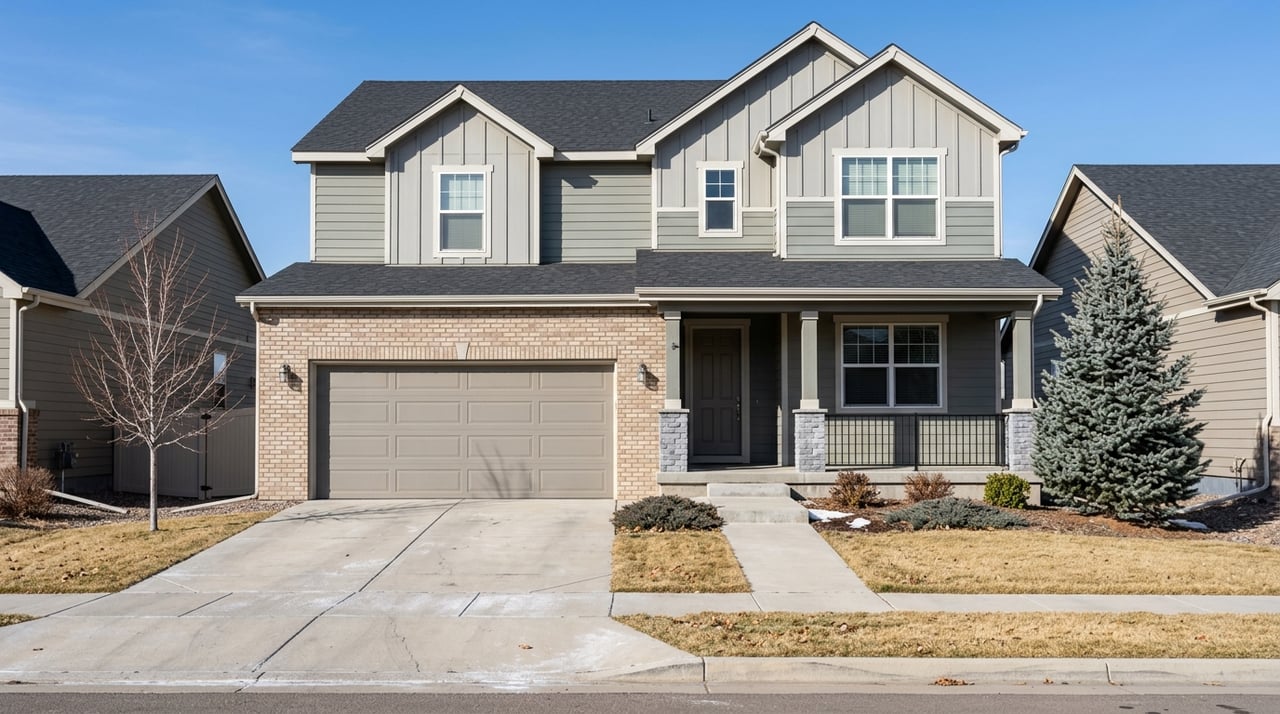
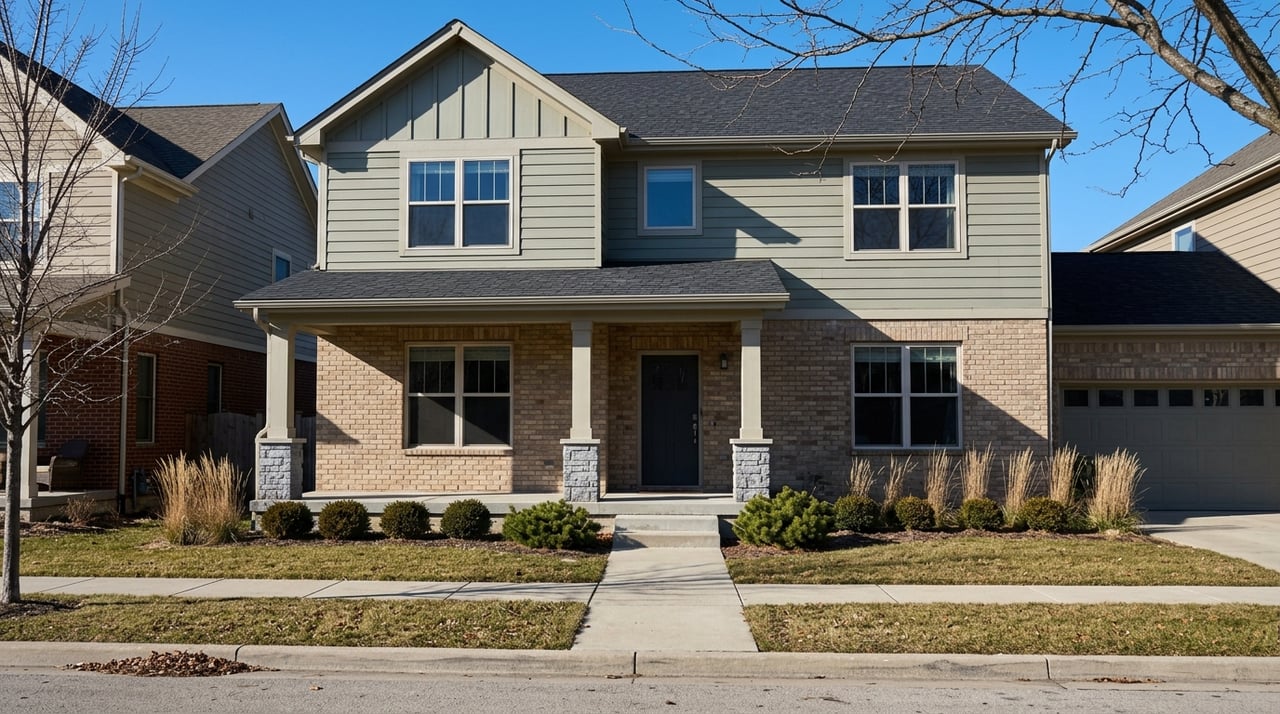
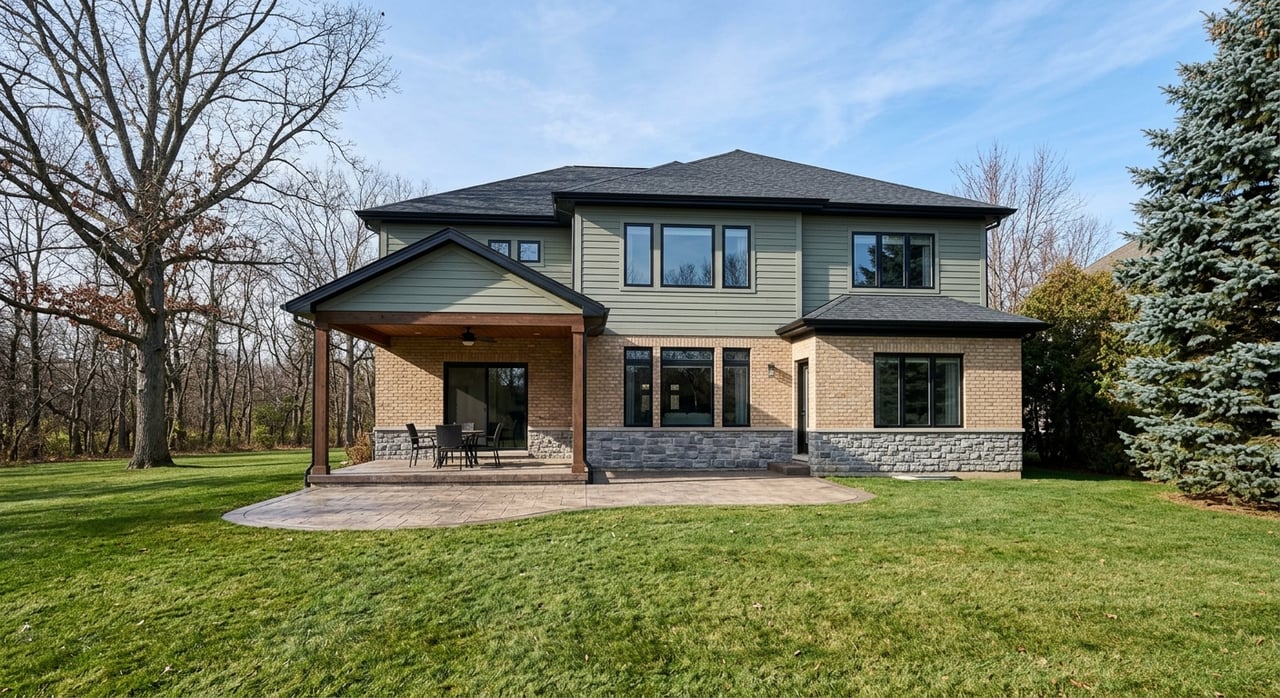
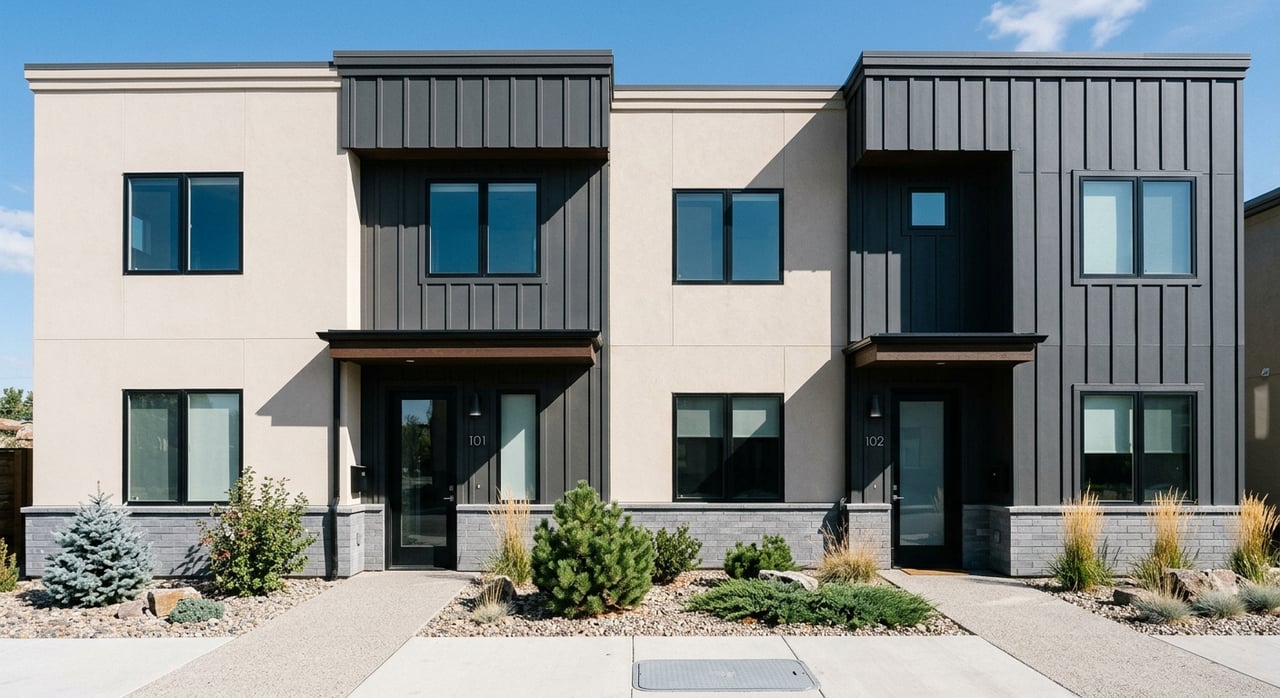
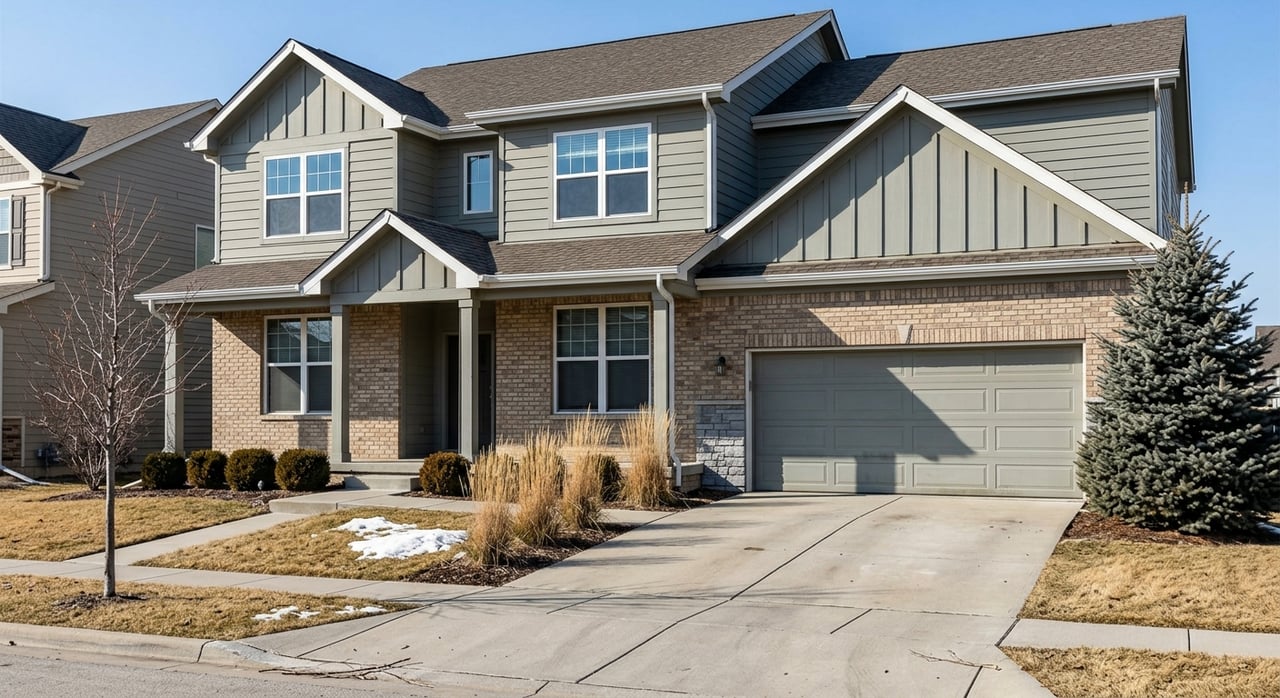
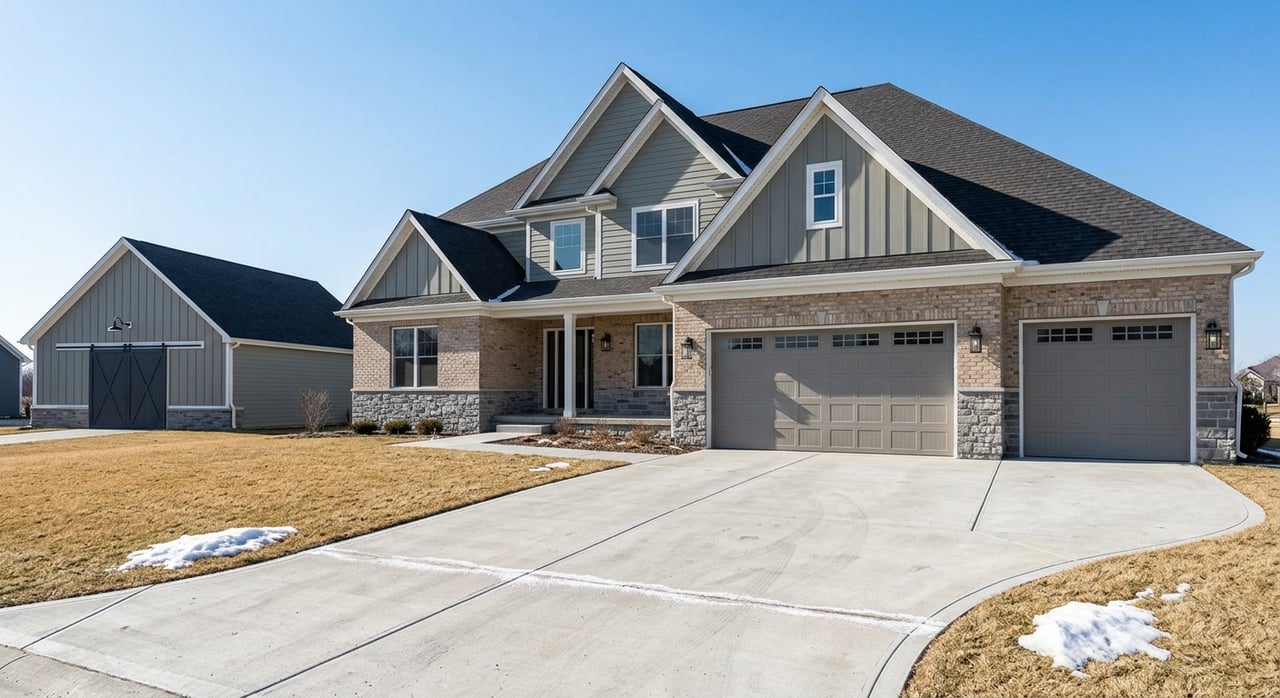
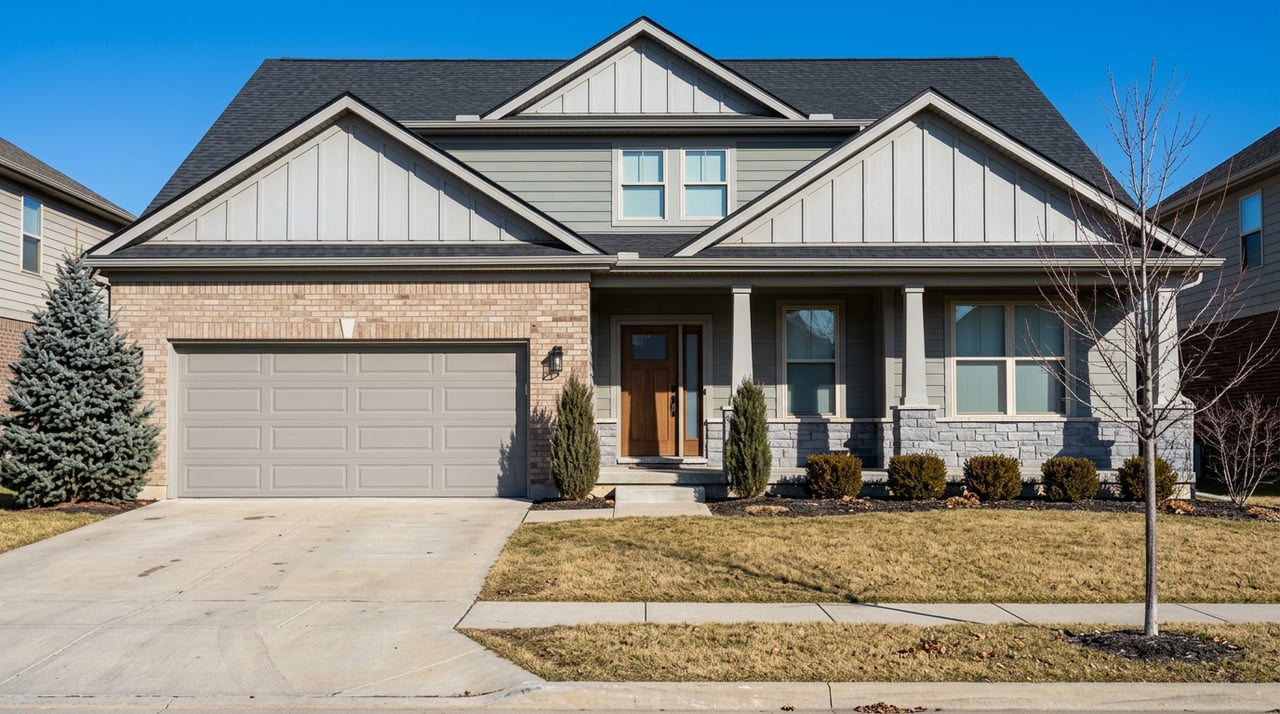
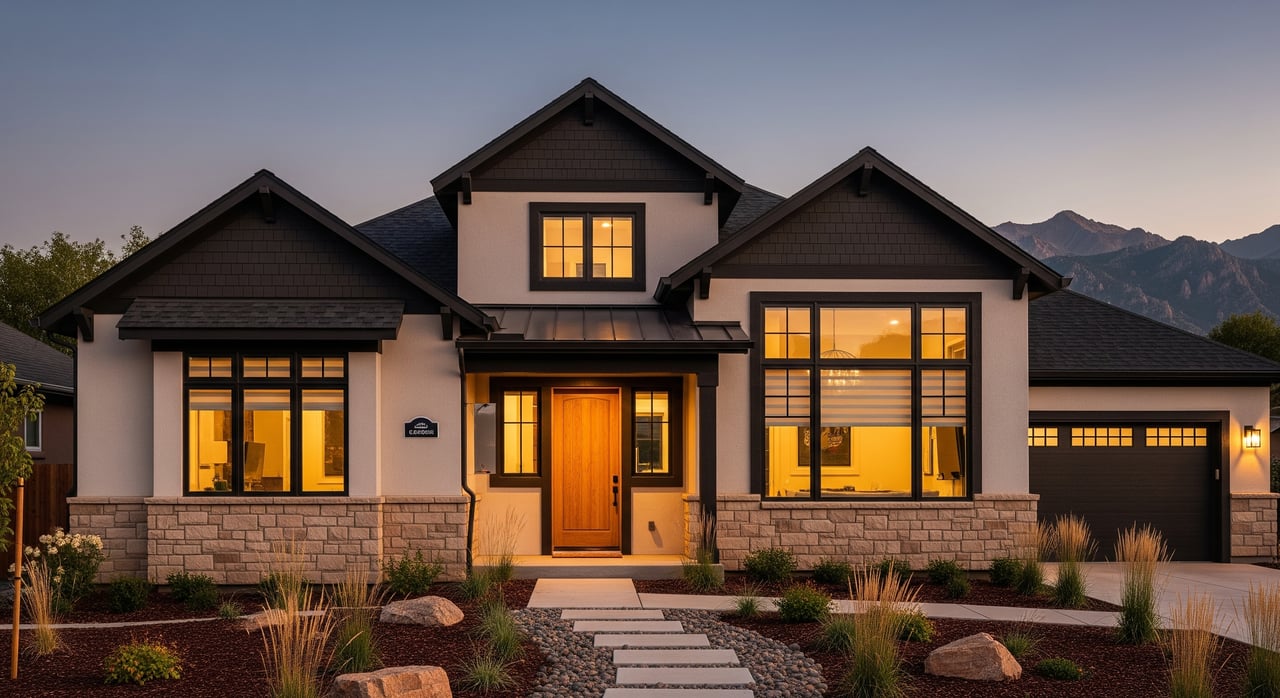
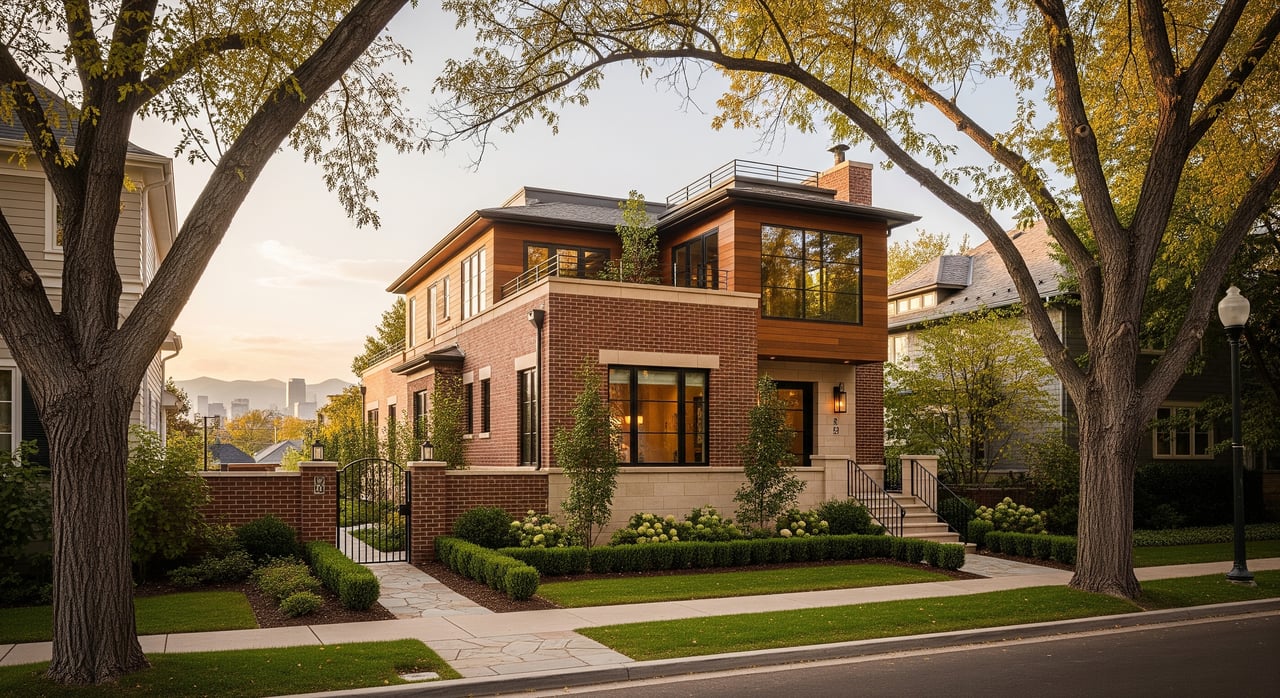
Architecturally, you can expect variety. The neighborhood includes early 20th-century bungalows and Craftsman homes, brick ranches and midcentury houses, plus newer infill and scrape-and-rebuild properties. You are not looking at a subdivision with one dominant style. You are looking at an older Denver neighborhood that has evolved over time.
Historic housing is part of the appeal. Properties and landmarks such as Chamberlin Observatory, Fitzroy Place, and the Buchtel Bungalow reflect the area’s long history and architectural character. For buyers who care about charm and original detail, that can be a major advantage.
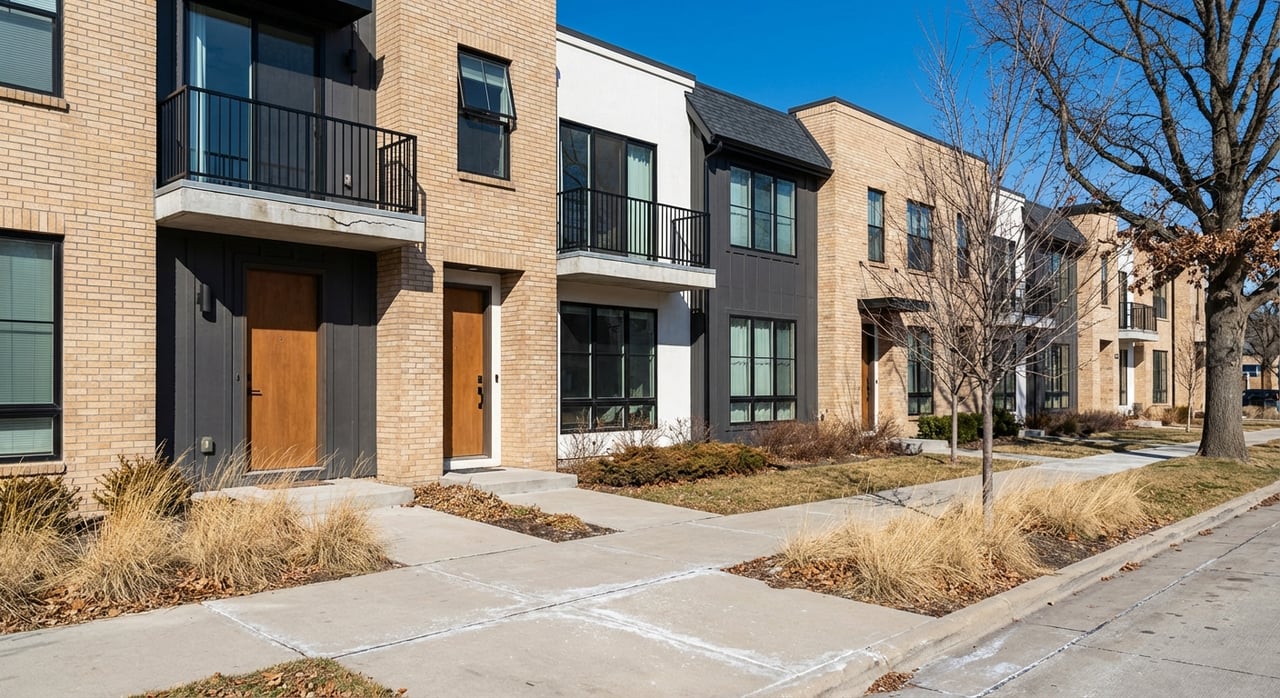
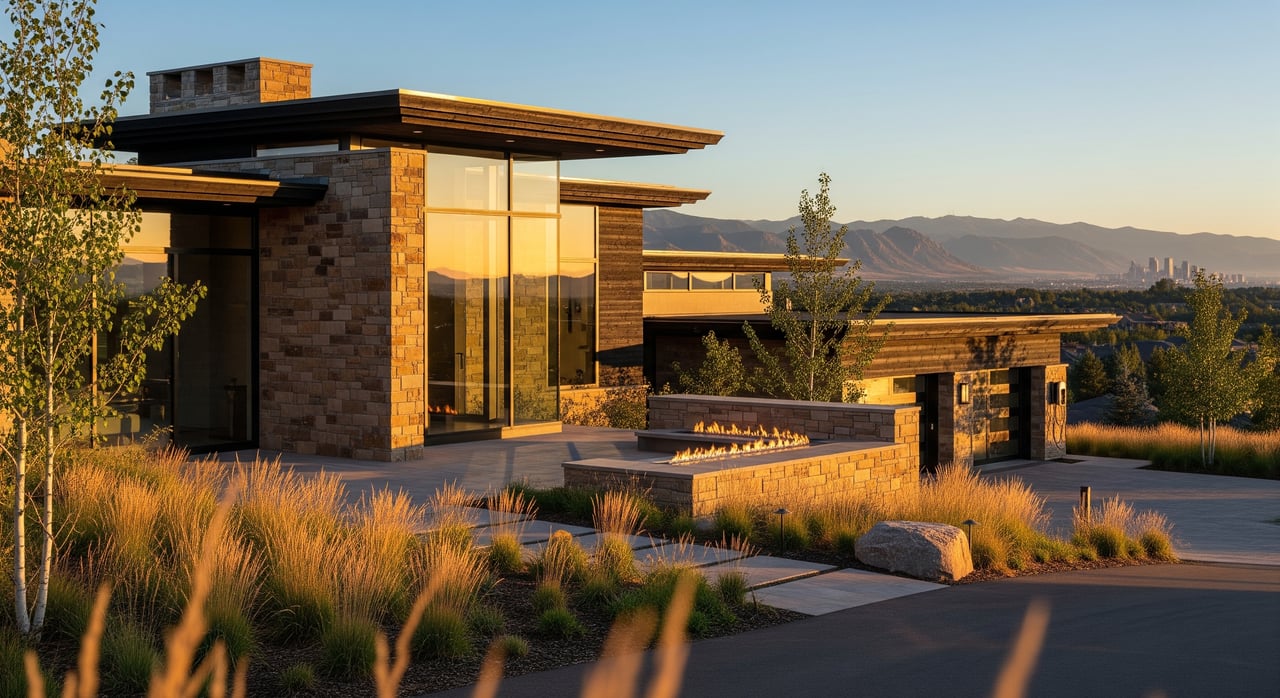
At the same time, newer construction is also part of the story. Recent examples show a wide range, from a roughly 2,000-square-foot 1929 home priced around $757,000 to a 2023 new build that sold for $1.75 million, with custom homes reaching around $2 million. That spread means your budget, renovation tolerance, and design preferences will shape your search in a big way.
Why lot size matters in University Park
In University Park, the land often carries as much value as the house itself. Many lots fall in the 6,000 to 7,500 square foot range, with some larger outliers. Deep front setbacks, back yards, mature trees, and landscaped streets all contribute to the neighborhood’s appeal.
That also means two homes with similar square footage can feel very different depending on the lot. A modest older home on a larger lot may offer expansion potential or simply more breathing room. A newer home on a standard lot may deliver more interior space but a very different outdoor experience.
If you are comparing homes here, it helps to look beyond bedroom count and finish level. Pay attention to lot dimensions, backyard usability, tree coverage, and how the house sits on the site. In University Park, those details can have a real impact on daily living and long-term value.
Block-by-block differences matter
One of the biggest mistakes buyers make is assuming the whole neighborhood feels the same. It does not. University Park rewards block-by-block analysis.
A home on a quiet interior street with mature trees and deeper setbacks may feel very different from a newer infill property a few blocks away. The neighborhood plan specifically points to features like tree canopy, open space, and setbacks as part of the area’s character, so small location shifts can change the experience more than you might expect.
Zoning is part of that equation too. In some E-SU-Dx areas, homes can be built using either an Urban House form or a Suburban House form, and the suburban option can extend farther back on the lot. For a buyer, that can affect privacy, sunlight, and the feel of neighboring homes.
Parks, trails, and daily convenience
University Park offers more than just attractive housing stock. The neighborhood includes several green-space assets, including Observatory Park, McWilliams Park, Historic Buchtel Boulevard Trail at Prairie Park, Buchtel Centennial Park, Harvard Gulch East, and Harvard Gulch Trail. Denver park hours are 5 a.m. to 11 p.m. daily.
Observatory Park is a standout feature. It spans two city blocks and includes Chamberlin Observatory and a community garden. McWilliams Park connects to the Harvard Gulch Trail, which adds practical space for walking, jogging, and biking through the area.
The University of Denver is another major anchor. In addition to the campus itself, DU brings performances, exhibitions, and transit access, including a light-rail station at the north end of campus and bus service along Evans and University. That connectivity adds to the neighborhood’s convenience for day-to-day living.
You also benefit from nearby shopping and restaurant options. University Park often feels self-contained because it offers many of the basics close by, while still staying tied into the broader Denver market.
How to shop smart as a buyer
Because this is a competitive and relatively high-price neighborhood, preparation matters. Before you start serious home shopping, get preapproved. Sellers often expect a preapproval letter, and those letters can expire in 30 to 60 days, so timing matters.
It is also wise to compare Loan Estimates from multiple lenders before choosing your loan. Even in a premium market, financing choices can affect your monthly payment and your flexibility when you make an offer.
Once you find a home you like, be ready to act quickly. Denver remains a competitive market, and University Park’s seller-friendly conditions support a faster decision cycle. That said, moving quickly does not mean giving up your core protections.
Do not skip due diligence on older homes
University Park has many older homes, and that is often part of the charm. It is also why inspections matter. Buyers should schedule an independent inspection as soon as possible, attend if they can, and avoid buying without a thorough review of the home’s condition.
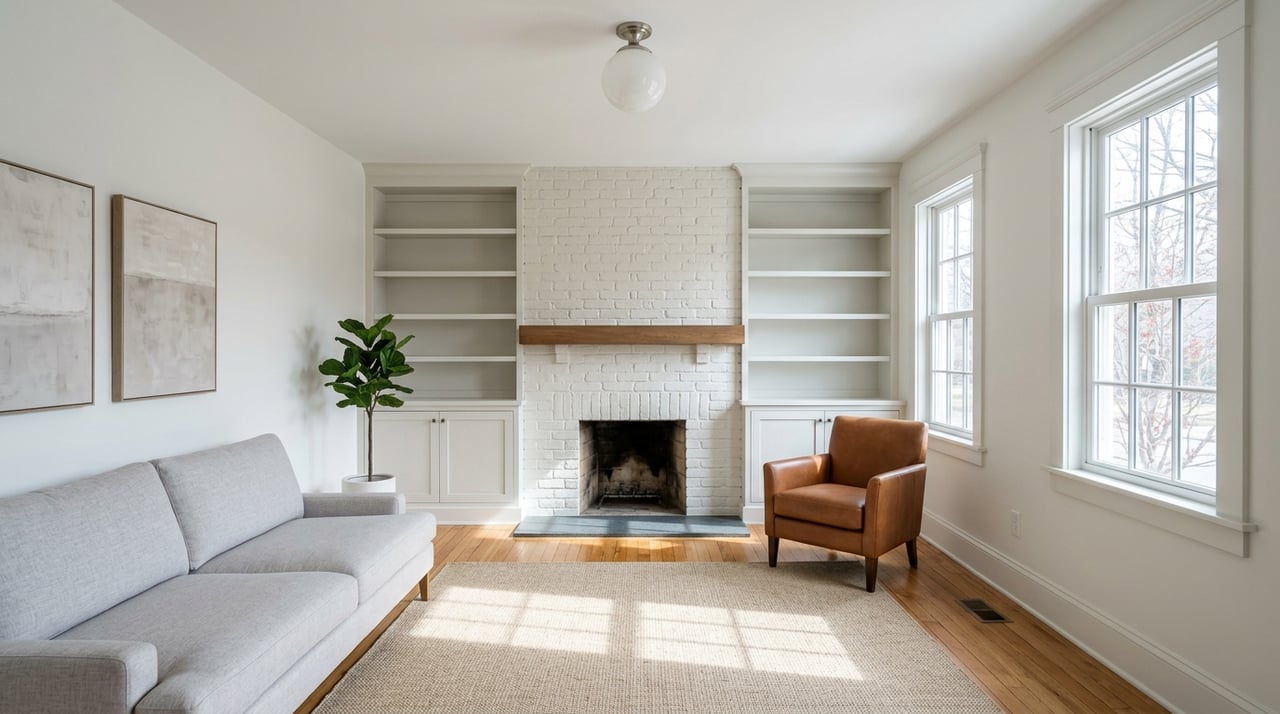
An older bungalow, ranch, or midcentury house may have character, but it can also come with aging systems, past renovations, or deferred maintenance. A careful inspection helps you understand what you are buying before you commit.
When appropriate, consider keeping contingencies tied to financing and a satisfactory inspection in your offer. In a neighborhood like University Park, the strongest buyers are usually the ones who are both prepared and disciplined.
What to know about historic status and remodeling
If you are buying with plans to update or expand, do extra homework before closing. In Denver, exterior changes tied to permits on individual landmarks or properties in a historic district are reviewed by Landmark Preservation. Roofing or siding work in a historic district must be approved first.
That does not mean you should avoid older or historic homes. It means you should understand the rules before you buy. Review permit history, look closely at prior additions, and think through your future renovation goals early in the process.
This is especially important in a neighborhood where redevelopment pressure has already shaped the conversation. Pop-tops, scrape-offs, and infill construction are part of the local story, so knowing what is allowed on a given property can help you make a more confident decision.
Who University Park may fit best
University Park can make sense if you want an established Denver neighborhood with detached homes, meaningful lot sizes, and access to parks, trails, and campus-area amenities. It may also appeal to buyers who value architectural variety and are open to comparing original homes with updated or newly built options.
It can be a strong fit for move-up buyers who want more space and a more traditional neighborhood feel while staying connected to central Denver. It may also work well for relocation buyers who want a neighborhood with history, convenience, and a broad range of home styles.
The key is to shop with clear priorities. In University Park, your best choice may not be the newest home or the biggest one. It may be the property that balances block location, lot character, condition, and long-term usability in a way that fits your goals.
If you want help sorting through University Park’s micro-locations, pricing, and property tradeoffs, Chriss Bond offers the kind of responsive, high-touch guidance that can make a fast-moving Denver purchase feel much more manageable.
FAQs
What is University Park in Denver known for?
- University Park is known for its established residential feel, tree-lined streets, detached homes, nearby parks and trails, and its close connection to the University of Denver.
What types of homes can you buy in University Park, Denver?
- Buyers will typically find single-family homes, including older bungalows, Craftsman homes, brick ranches, midcentury houses, and newer infill or custom-built homes.
How expensive is it to buy a home in University Park?
- University Park is a premium Denver submarket, with reported median listing prices around $949,000 to $960,000 and a typical home value above $1 million.
How competitive is the University Park housing market?
- The neighborhood functions as a seller’s market, with homes selling for about 97% of list price on average and a median market time around 32 days.
What should buyers check before purchasing an older University Park home?
- Buyers should schedule an independent home inspection, review the home’s condition carefully, and look into permit history, prior additions, and any future renovation plans.
Do historic rules affect homes in University Park, Denver?
- Yes, for properties that are individual landmarks or located in a historic district, certain exterior changes tied to permits are reviewed by Denver Landmark Preservation.
Are parks and trails part of daily life in University Park?
- Yes, the neighborhood includes assets such as Observatory Park, McWilliams Park, and the Harvard Gulch Trail system, which support walking, jogging, biking, and outdoor time close to home.