If you have opened a portal search for Cherry Hills Village lately, you have seen the problem. Active listings run from roughly half a million to nearly eighteen million dollars. The median moves depending on which source you check. And two homes a mile apart, both listed at four million, can behave in completely opposite ways once they hit the market.
The citywide median is not the number to anchor on here. The zoning code is. Cherry Hills Village sorts every residential parcel into a tier defined by minimum lot size, and that tier is the single strongest predictor of what a home costs, who competes for it, and how long it sits. Read the ladder correctly and the market stops looking chaotic. Miss it, and you either overpay for the wrong tier or price a listing into the silent middle where nothing sells.
The zoning ladder is the price ladder
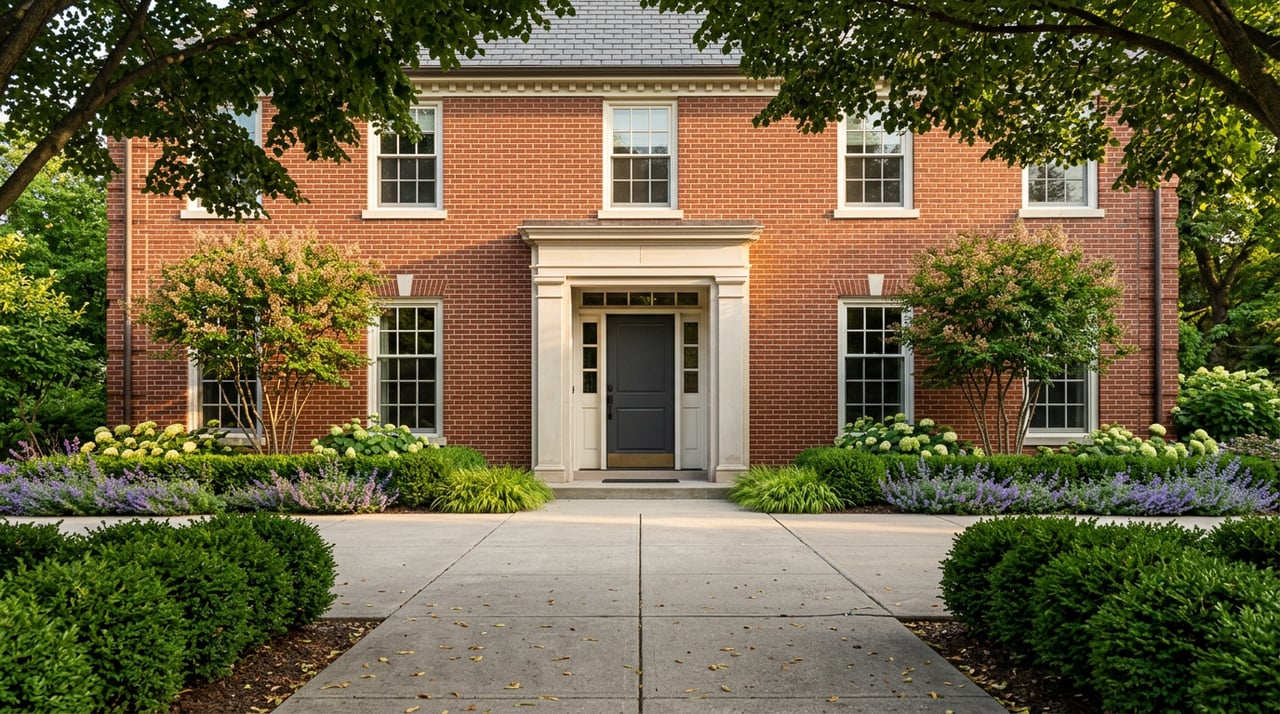
Cherry Hills Village is a home-rule city with its own Chapter 16 zoning code, and it uses lot size to keep the estate character intact. The city's zoning standards require substantial minimum lot sizes in many districts, including 2.5 acres in R-1, 1.25 acres in R-2, 1 acre in R-3, 1/2 acre in R-4, and 16,000 square feet in R-5. The city's own planning framework describes the same tiers in plain-English terms, dividing the city into rural-density, low-density, and medium-density residential.
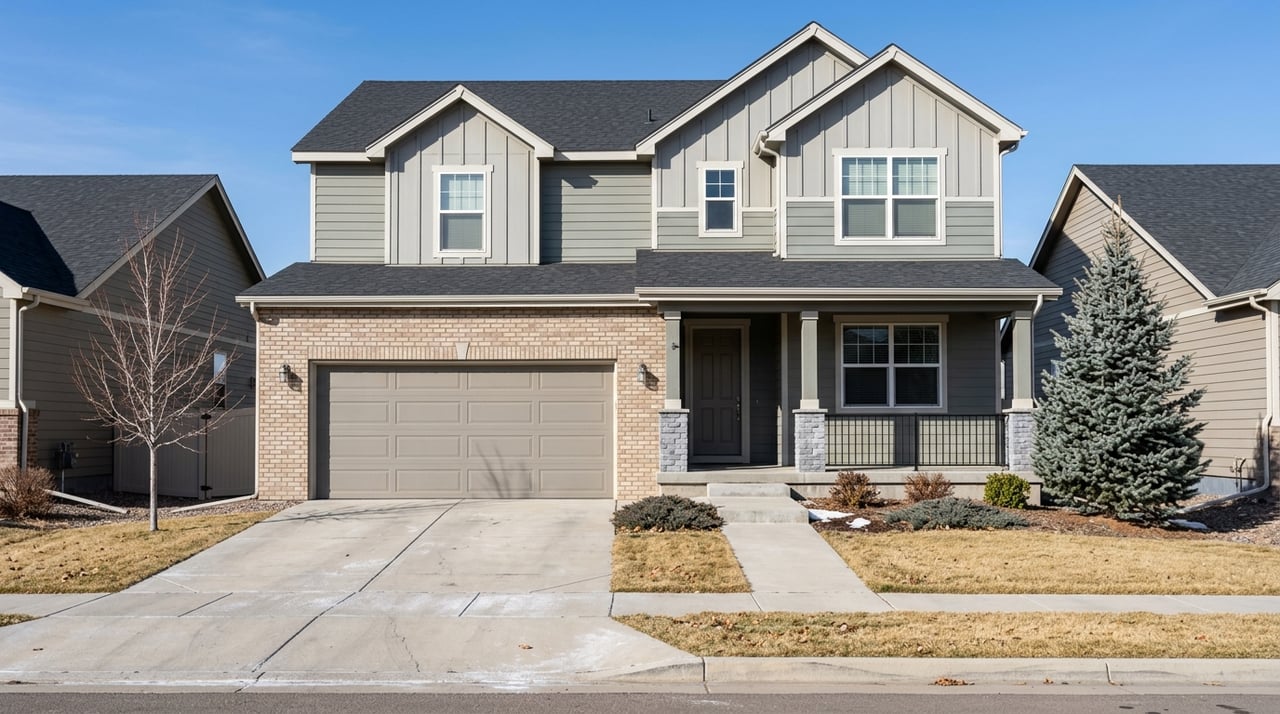
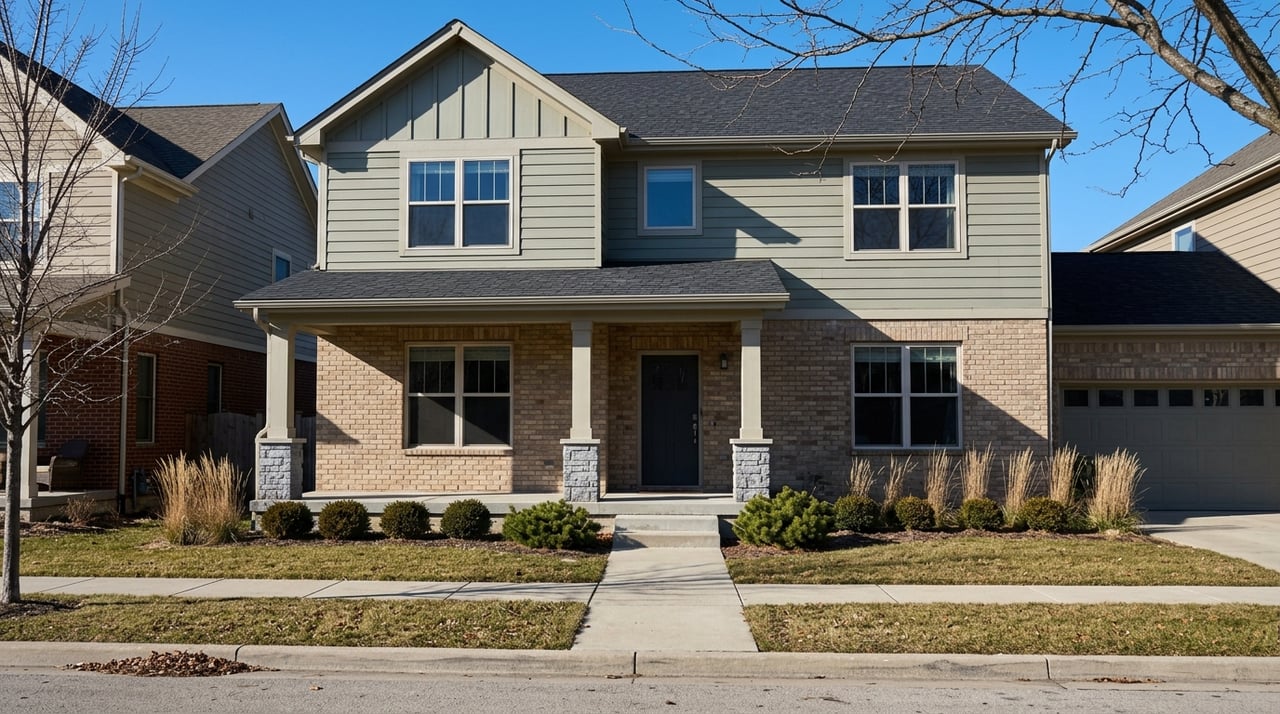
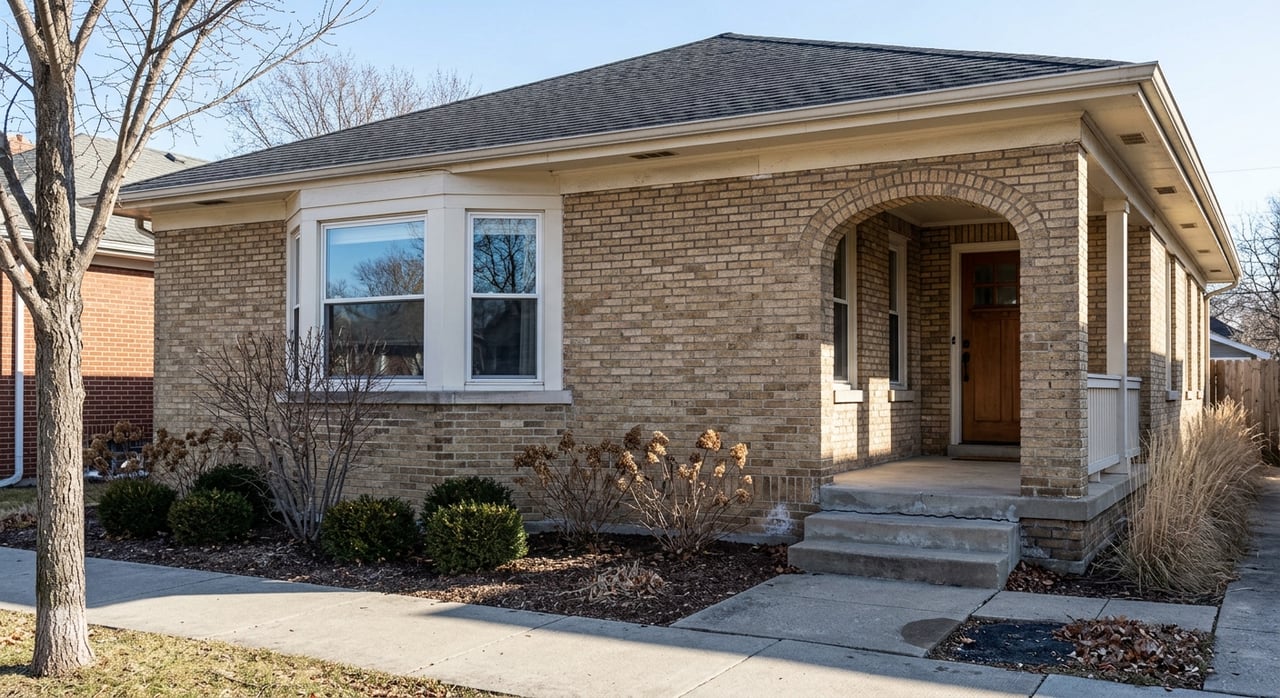
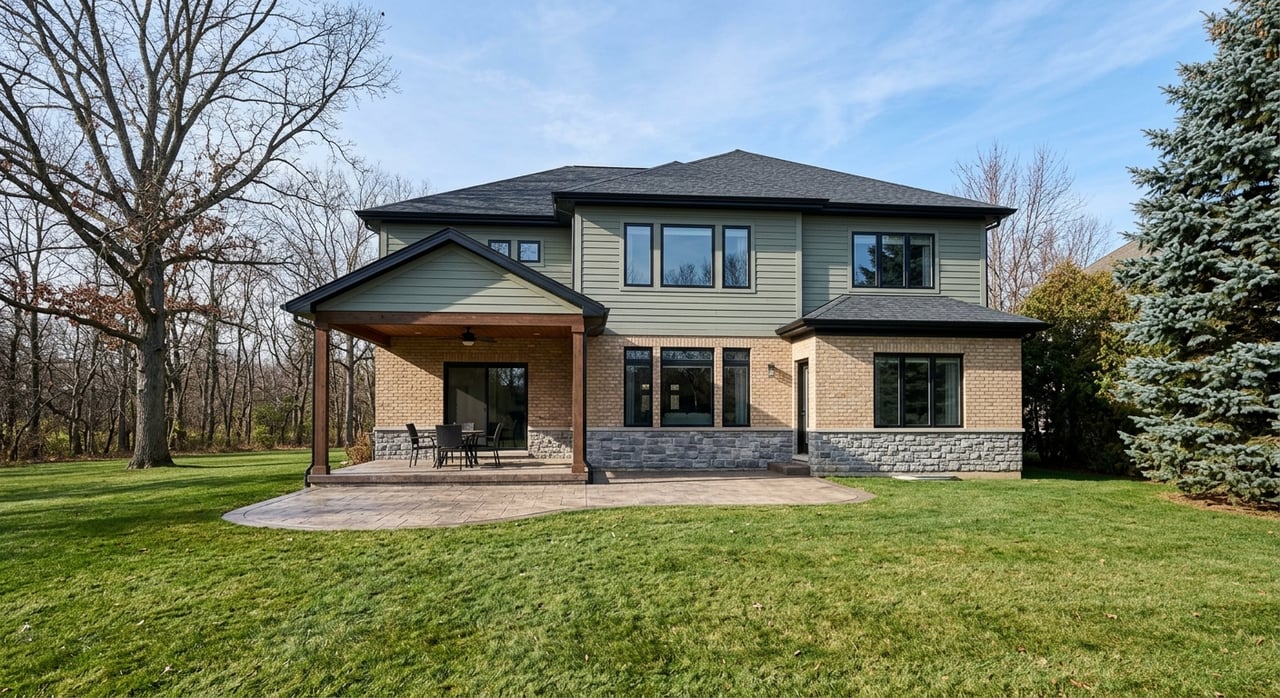
That structure is why the price spread is so wide. A one-acre lot with a solid but dated home from the 1970s or 1980s trades in a different bracket than a three-acre lot with a recent custom build, even when the interiors look comparable in photos. As one recent neighborhood analysis put it, a 1-acre lot in the right location might list around $2.2 million with a home built in the 1970s or 1980s, serviceable but dated; move up to a 2 to 3 acre lot with a more recently updated or custom-built home, and you're looking at $3.5 to 5 million, while properties with private stables, riding arenas, or hilltop views of the Front Range command premiums that can push well past $7 million.
| Zoning tier | Minimum lot size | What tends to trade here |
|---|---|---|
| R-1 rural density | 2.5 acres | Estate and equestrian properties, custom builds, hilltop view lots |
| R-2 | 1.25 acres | Updated large-lot homes with room for accessory structures |
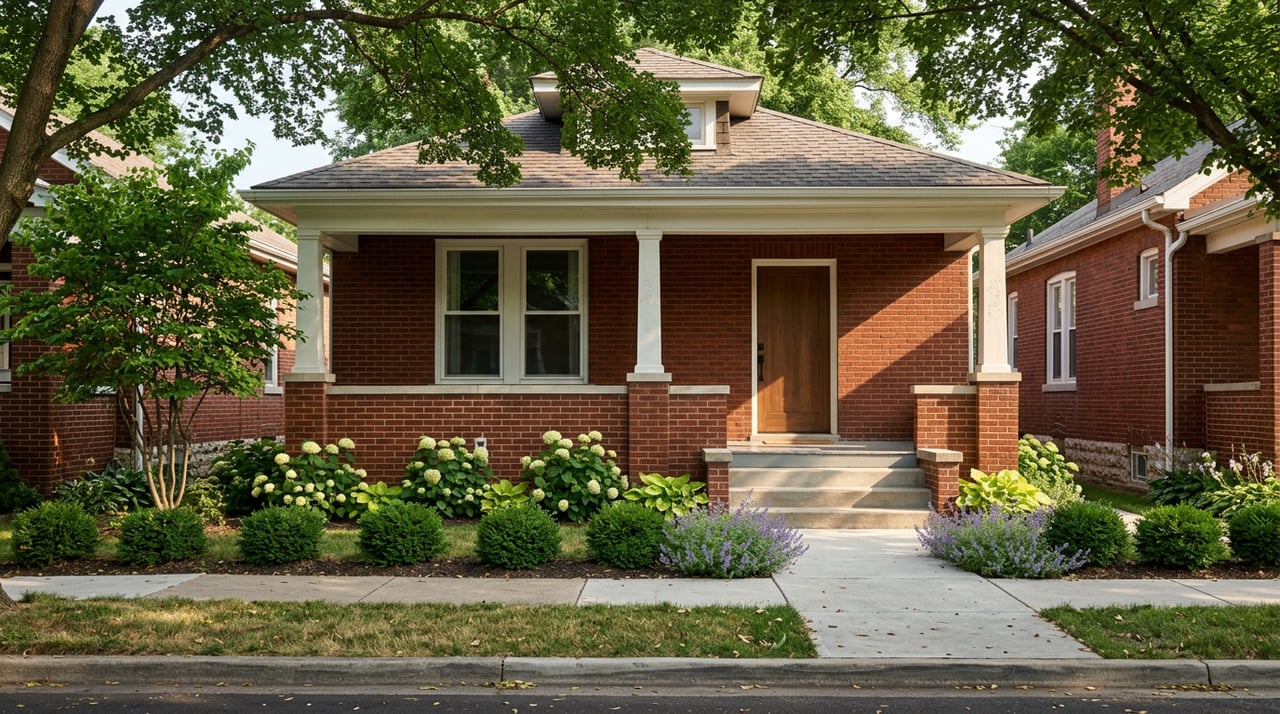
| R-3 low density | 1 acre | The classic Cherry Hills one-acre home, often dated |
| R-4 | 0.5 acre | Smaller-lot properties near the city's edges |
| R-5 medium density | 16,000 sq ft | Denser pockets, closer to Denver-style lot geometry |
Two homes in the same tier are comparable. Two homes across tiers are not, no matter how similar the interiors look on the listing sheet.
Why the citywide median lies
Because supply is fragmented across small enclaves, one or two outsized listings can drag any citywide average around. A recent Realtor.com neighborhood breakdown showed just 5 listings in Cherry Hills Farm, 4 in Cherry Hills North, 4 in Glenmoor of Cherry Hills, 4 in Old Cherry Hills, 3 in Buell Mansion, 3 in Chaumont in Cherry Hills, 3 in Cherry Hills Park, 3 in Cherryridge, and 3 in Mansfield Heights, with many other enclaves showing only 1 or 2 listings. When a pocket has three active listings, a single stale mansion can move the pocket median by a million dollars overnight.
Public sources reflect that fragility. Zillow reported a typical home value of $3,245,374 as of April 30, 2026, up 6.5% year over year, along with 35 homes for sale and a median list price of $3,613,833. Realtor.com reported in March 2026 a median listing price of $4.22 million, 50 homes for sale, and a median of 41 days on market. Data from February 2026 shows a median sale price of $2.2 million and a median price per square foot of $454.70, alongside 117 median days on market and 4.2 months of supply. Three sources, three different medians, none of them wrong. They are measuring different tiers at different moments.
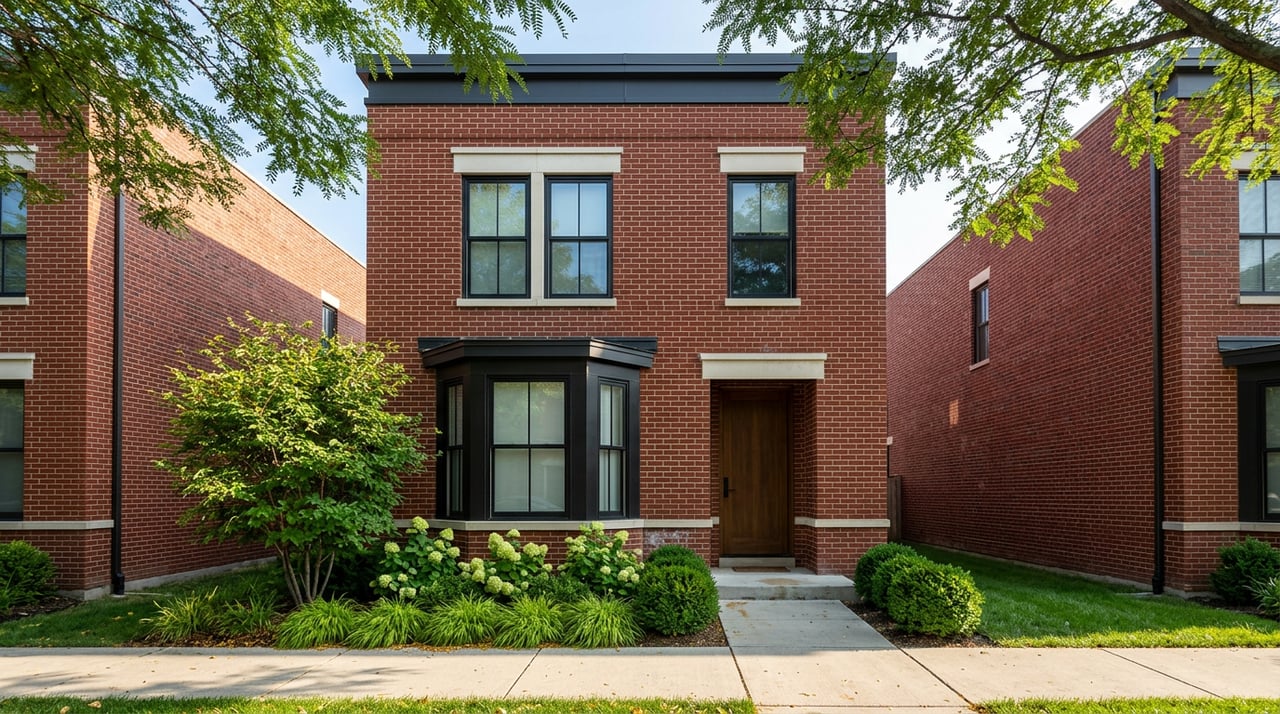
The takeaway for a buyer or seller is the same either way. Comparing a Chaumont one-acre to an Old Cherry Hills two-acre using a citywide number is the equivalent of comparing a downtown loft to a Wash Park bungalow using a Denver-wide average. The right comp set is the pocket and the tier, not the city.
The transaction friction most buyers do not price in
Cherry Hills Village has almost no commercial land and only partial municipal sewer coverage. The Cherry Hills Village Sanitation District was formed as a separate special district, and it currently serves approximately 1,150 residences, plus the city offices, schools, clubs and churches. The city has roughly 2,400 single-family homes. The rest, more than half, are not on that district's mains, which means many properties operate on septic systems, private wells, or hook into neighboring sanitation districts serving specific enclaves.
That matters for two reasons during a transaction. First, a septic inspection and, where relevant, a well flow and water-quality test are add-ons to the standard home inspection scope, and they are not optional in this market. Second, the sanitation district treats conversion from septic to sewer as a permitted event with its own fee structure. A Sewer Tap Permit, after payment of the Sewer Tap Fee, is required for new properties or properties currently on septic tank systems, and an additional Sewer Tap Permit fee is required for accessory structures which are to be connected to a water supply. A tear-down or major addition on a septic parcel is not just a construction project. It is a utilities question that needs answers before the offer, not after.
Buyers coming from central Denver rarely have this on their diligence checklist. Sellers on septic often assume it is a non-issue because the system has worked for decades. Both assumptions cost money at the inspection objection deadline.
Reading the two-speed market
Here is the number that reframes the whole city. Look at active listings, and Cherry Hills Village looks slow. Look at closed sales, and it looks fast. Both are true at once.
On the active side, as of June 21, 2026, Altos reported 28 active single-family listings, a median list price of $5,937,500, median days on market of 70, average days on market of 107, and a Market Action Index of 35, which points to a slight seller's advantage. On the closed side, Redfin reported a May 2026 median sale price of $3,797,727, median days on market of 8, and a 97.6% sale-to-list ratio, while Realtor.com showed a 96% sale-to-list ratio in May 2026.
Eight days for closed homes. Seventy days for what is still sitting. The gap is the story. Right-priced homes at the right tier are transacting almost instantly. Overpriced homes at the wrong tier are accumulating on the board and then cutting. Altos reported that 43% of active listings had price reductions, which points to the importance of price discipline.
The reason this two-speed pattern shows up so cleanly here, and not in the broader Denver market, is the buyer profile. The Federal Reserve's measured approach to rate cuts in late 2025 has brought 30-year fixed rates into the mid-5% range as of early 2026, but the impact on Cherry Hills is somewhat muted, with cash purchases accounting for an estimated 35 to 40% of transactions in this price bracket. Cash buyers are not shopping the median. They are shopping specific pockets and specific lots, and they walk when the price does not line up with the tier.
What this changes for you
For a buyer, the practical move is to stop searching by price band and start searching by zoning tier and pocket. A four-million-dollar budget in Old Cherry Hills competes with different homes than the same budget in Glenmoor or Cherryridge. Ask the agent to pull comps from within the tier, not the city. If the property is on septic or private well, build the inspection scope around that before writing the offer.
For a seller, price discipline is not a slogan in this market. It is the difference between eight days and a hundred and seven. A home priced to the tier moves quickly, close to list. A home priced above the tier joins the 43 percent that eventually cut, often more than once, and closes below what an accurate initial price would have delivered.
FAQ
Is Cherry Hills Village a buyer's market or a seller's market right now?
Both, depending on the segment. With approximately 4.2 months of supply, the Cherry Hills Village housing market continues to lean toward sellers, though conditions are gradually becoming more balanced as inventory increases. Right-priced homes clear in days. Aspirationally priced homes sit for months and cut.
Why do different sources report such different medians?
They measure different things at different moments. Zillow reports estimated home values, Realtor.com reports listing activity, and Redfin reports closed sales. In a city with roughly 30 active listings across a dozen pockets, one large sale or one large listing shifts the number visibly.
How much of the city is on septic versus municipal sewer?
The Cherry Hills Village Sanitation District serves about 1,150 residences out of roughly 2,400 single-family homes citywide, with additional coverage from Englewood and district providers for specific enclaves like Buell Mansion. A significant share of parcels operate on septic, and a full inspection should treat that as a first-order item, not a footnote.
If you are buying or selling in Cherry Hills Village, the pocket-level and tier-level details are where the transaction is won or lost. Chriss Bond works this market at that resolution, with the full Coldwell Banker Global Luxury platform behind every listing and a vendor network built for the diligence this city actually requires.
Contact Me to talk through your specific pocket, tier, and timeline.