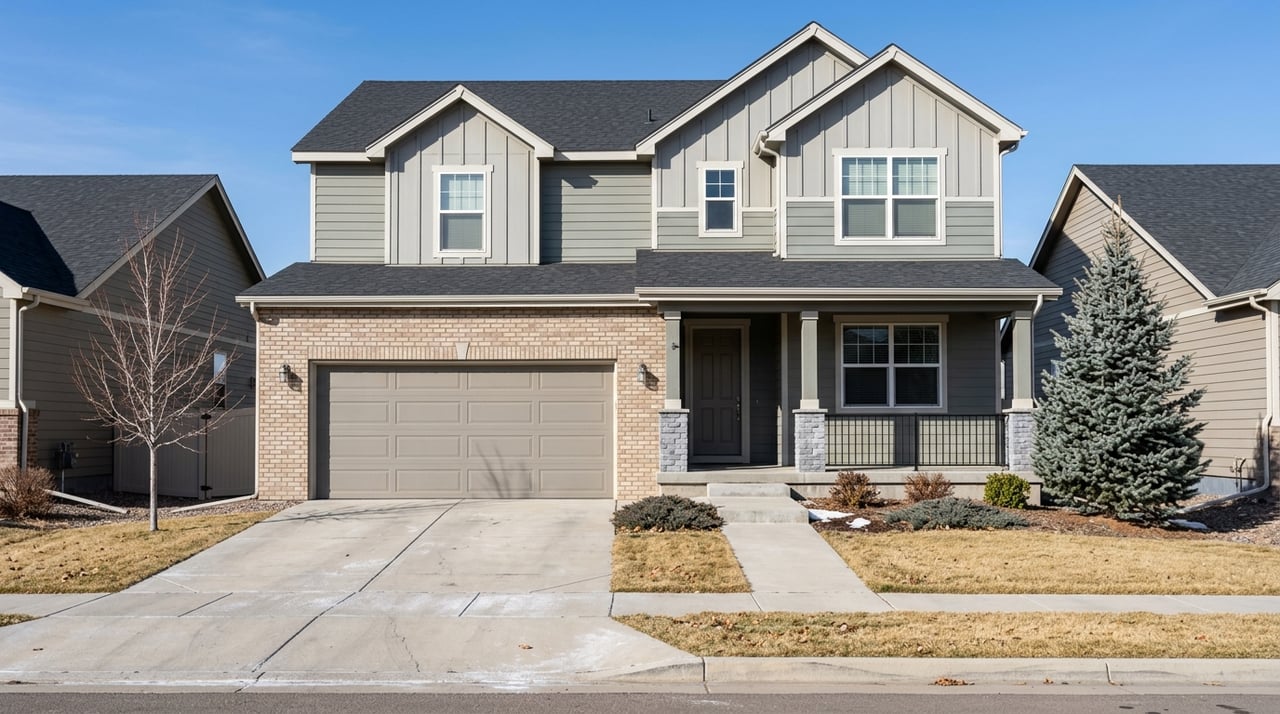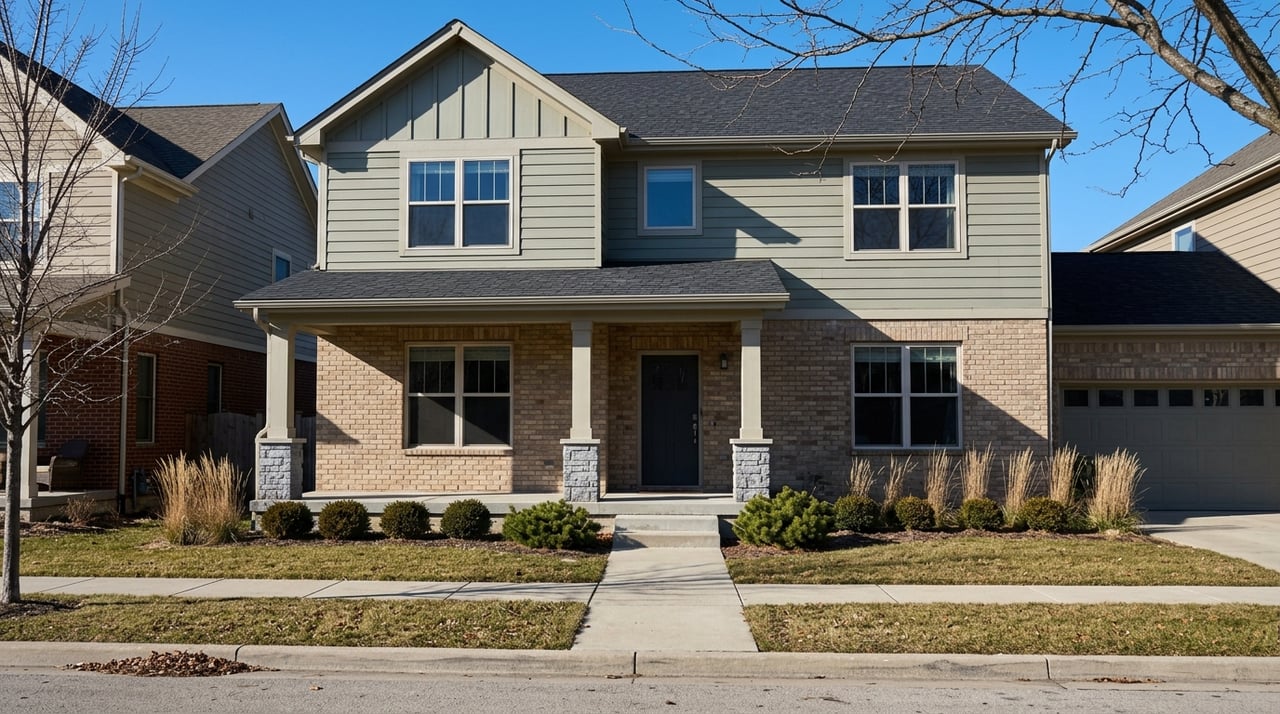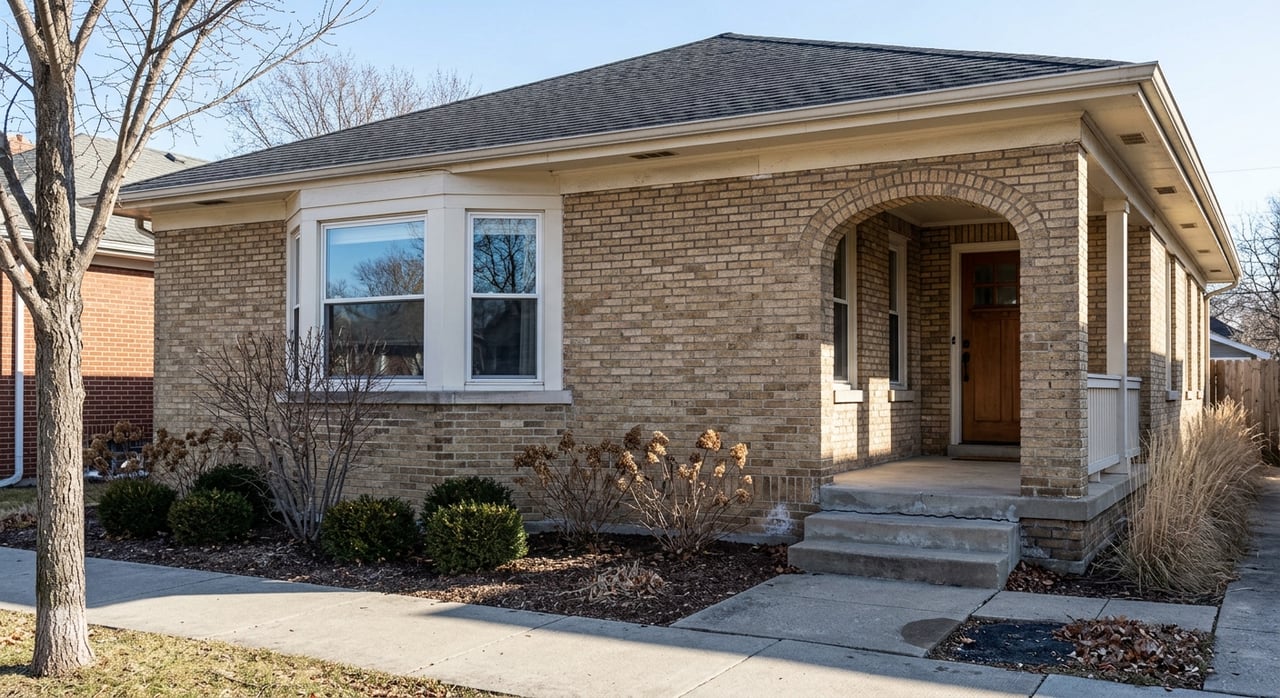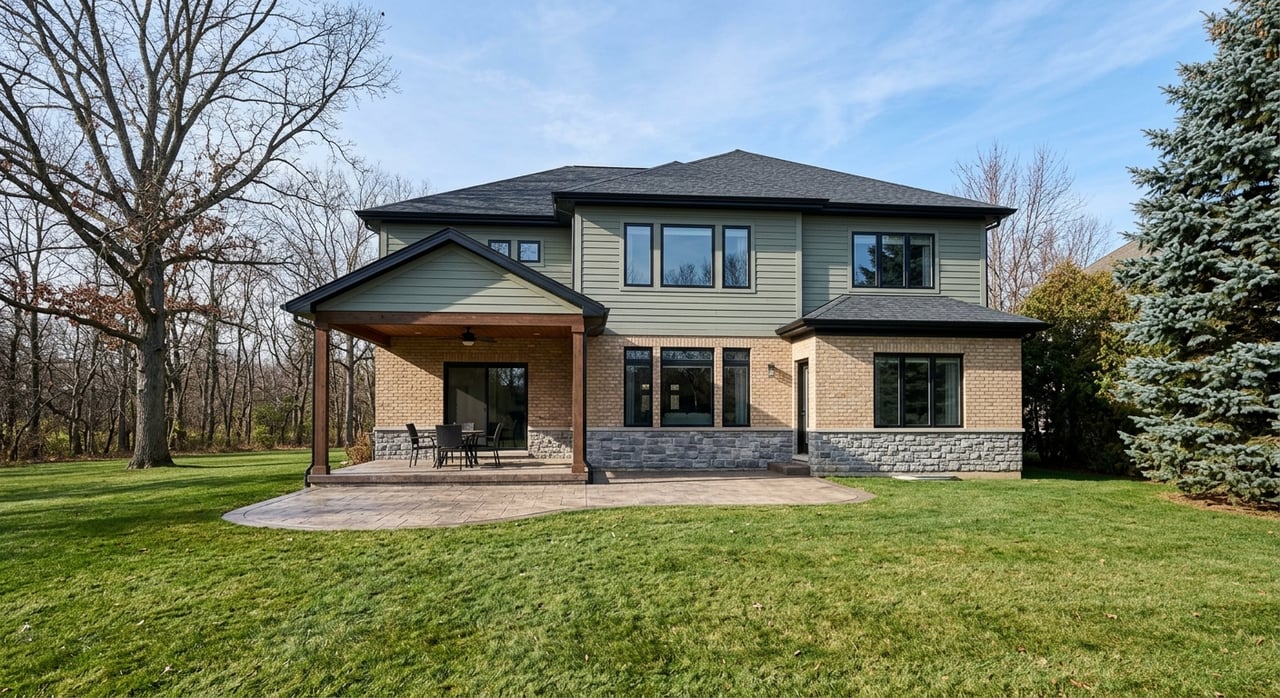
A buyer under contract on a resale townhome in RidgeGate opens the seller's disclosure packet expecting a dollar figure. Instead there's a single line and a web address. It's also not the number anyone actually needs before they remove financing and inspection contingencies.
That gap between "legally disclosed" and "actually understood" is the whole story in Lone Tree right now, and it's worth understanding before you write an offer rather than after your first property tax bill arrives.
The Disclosure Packet Is Only the Starting Point
Colorado tightened its metro district disclosure rules in two separate steps, and both are narrower than most buyers assume.
The City of Loveland presentation describes a 2022 law requiring an owner selling a newly built home inside a metro district to provide information on the district's finances, including debt obligations and estimated property taxes, before or at the time the purchase contract is signed. That's closer to what a buyer needs.
Getting that number is homework you have to do yourself, and in RidgeGate, the homework is more involved than most buyers expect.
Why the Boundary Lines Don't Follow the Street Grid
RidgeGate is not one tax district wearing one name. It's a planned development of roughly 3,500 acres split by I-25, already home to an estimated 5,000 residents as of 2026 on its way to a planned buildout of 30,000 residents and 50,000 jobs, anchored by employers like Charles Schwab and Kiewit on the west side and HCA HealthONE Sky Ridge nearby. Layered underneath that master plan sit multiple metropolitan districts, each with its own boundary and its own mill levy, formed to bond and repay the roads, sewer lines, and drainage that came before the houses did.
Those boundaries don't track visually with a subdivision map the way an HOA does. A property half a mile from a RidgeGate parcel with an active metro district assessment can carry no metro district fee at all, while a nearly identical home inside the line pays it every year until the underlying bonds are retired. Two homes that look the same from the street, similarly priced, similarly built, can carry carrying costs that differ by thousands of dollars annually purely based on which side of an invisible district line the lot sits on.
The HOA layer adds a second, separate structure entirely. Several RidgeGate neighborhoods, including Bluffmont Greene, Bluffmont Heights, Lincoln Park, ParkSide, and Renaissance, fall under the RidgeGate West Village Master Community Association, managed by Management Specialists, Inc. That association handles covenants and common-area dues. It has nothing to do with the metro district's mill levy, even though both show up in the paperwork you'll review during due diligence, and even though most buyers assume one document covers both.
The Retail Add-On Nobody Mentions
Lone Tree markets itself, accurately, as having one of the lowest sales tax rates in the Denver metro, a genuine draw for shopping and dining that the city itself promotes as a competitive advantage. That claim is true for the city's own sales tax. It doesn't describe everything you pay at the register inside RidgeGate.
The city's own finance department confirms a separate 1.25% Public Improvement Fee is collected in RidgeGate, enacted by the Rampart Range Metropolitan District rather than the City of Lone Tree. The city is explicit that it doesn't assess or collect this fee itself. It's a metro district charge riding on top of retail transactions, distinct from and in addition to standard sales tax, and it applies whether you're buying a home there or simply shopping there. The same layering logic that governs your property tax bill governs your grocery receipt.
What This Means for Your Closing Timeline
Because metro district obligations are billed through the county tax roll and HOA dues are billed separately by a private association, title companies have to pull two different sets of records to give you the full picture. A metro district certificate is a distinct document from a standard HOA resale packet, and ordering it adds real time, often five to ten business days, if it isn't requested on day one of your due diligence period rather than as an afterthought once other contingencies are already ticking.
That timing detail matters more in Lone Tree than in a lot of Denver suburbs, because a meaningful share of RidgeGate buyers are corporate relocation clients tied to Schwab or Sky Ridge, working inside 30 to 45 day employer-driven windows. A metro district certificate that takes a week and a half to arrive can eat a third of that window if the request goes out late. Buyers who ask for it on the day they go under contract rarely feel the squeeze. Buyers who wait until the inspection period often do.
Before You Waive the Contingency
If you're evaluating a RidgeGate home, or any Lone Tree property inside a district boundary, a short list of questions gets you the number the disclosure form won't:
- Ask your title company to order the metro district certificate the same day you go under contract, not after inspection.
- Ask for the current mill levy on the specific parcel, not a neighborhood average, since boundaries can split blocks.
- Confirm which HOA or master association governs the property and get its dues and reserve information separately from the metro district paperwork.
- Ask whether the district's debt is still amortizing or close to paid off, since a mill levy tied to maturing bonds can eventually decrease.
- If you're comparing homes near a retail corridor, ask whether the parcel falls inside the Rampart Range Metropolitan District's Public Improvement Fee boundary.
None of this requires specialized knowledge. It requires knowing which questions the standard disclosure doesn't answer, then asking them before your contingency deadlines close in.
A Few Questions Worth Settling Early
Is a metro district the same thing as an HOA? No. A metro district is a unit of local government with taxing and bonding authority, and its levy shows up on your county property tax bill. An HOA is a private association that bills dues directly. Many RidgeGate properties carry both, and being in one tells you nothing about your obligations under the other.
Does every home in Lone Tree carry a metro district fee? No. Metro district coverage follows specific development-era boundaries rather than city limits, and older Lone Tree neighborhoods that predate RidgeGate's buildout often have no metro district overlay at all, though they may still carry standard HOA dues.
Will my metro district mill levy change over time? It can. Districts are formed to repay bonds over a defined term, and the levy is meant to wind down as that debt is retired, though timelines and terms vary by district and are worth confirming directly against the district's own published financials rather than assuming a fixed number.
Metro districts aren't a reason to avoid RidgeGate. Schwab's campus, Sky Ridge, and the RidgeGate light rail stations are real draws, and the master plan behind them is well documented by the city itself. But a home's true carrying cost in this part of Lone Tree depends on parcel-level facts that a one-line disclosure won't hand you. Getting those facts before you're locked into a contract, rather than after your first tax bill, is the difference between a smooth closing and an expensive surprise.
If you're comparing RidgeGate to another south metro submarket, or you want a parcel-specific mill levy pulled before you write an offer, Chriss Bond can walk through the numbers with you and get the right documents moving on day one. Contact Me.
This article is general information, not legal, tax or financial advice. Consult a qualified professional about your situation.