Back in June, Wellshire Golf Course threw itself a party. A shotgun-start scramble at 8 a.m., then an evening gathering at the Wellshire Event Center with $10 tickets and a program built around a hundred years of history on the same 137 acres along South Colorado Boulevard. It was a good excuse to celebrate a course that most of the neighborhood walks past daily and rarely stops to think about as historic. But the same year the course earned its place on the National Register of Historic Places, the reservoir that made the whole property possible in the first place has been sitting drained, fenced off, and slated for permanent decommissioning. The centennial and the erasure are happening on the same ground, in the same year, and almost nobody outside city public works meetings has connected the two.
What Actually Turned 100
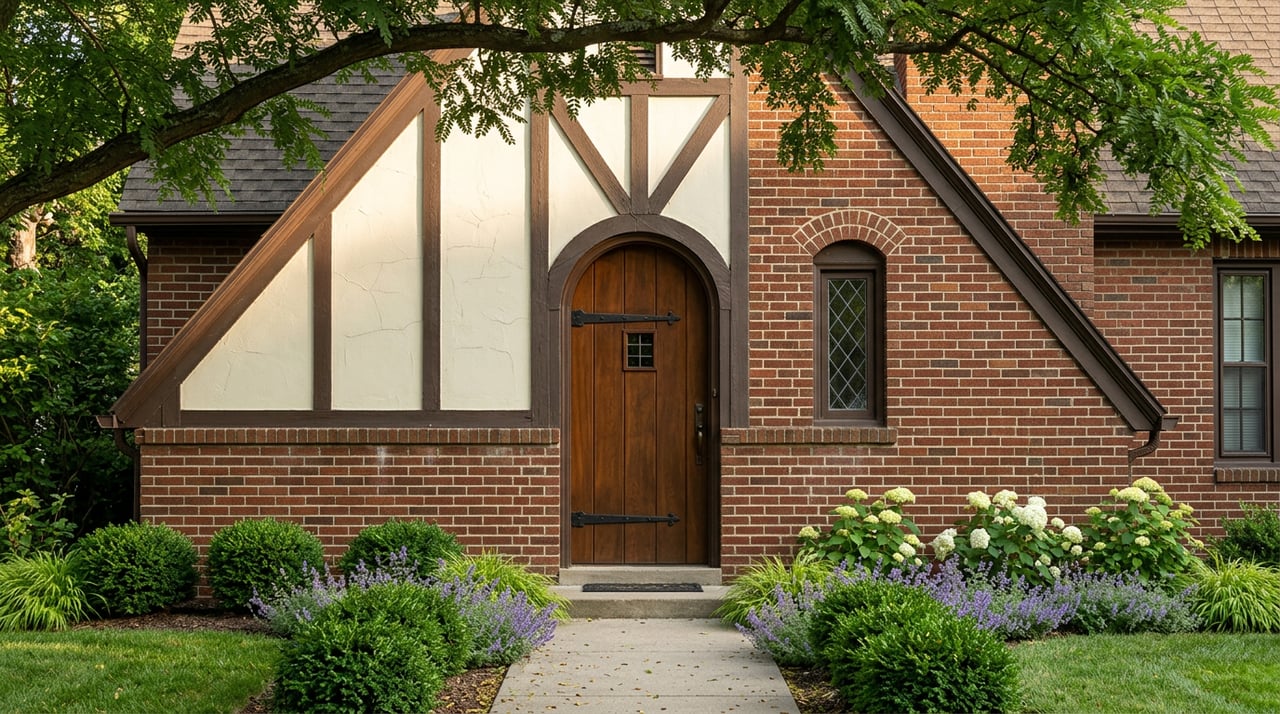
Wellshire's story starts in 1924, when a group of Denver golfers hired Donald Ross to lay out a course on what had been Art Skeel's farm. Ross sent his associate Walter P. Hatch to handle surveys, and construction engineer Henry Hughes Sr. oversaw the build. The course opened August 28, 1926, and the Tudor-style clubhouse that still anchors the property followed in October 1927. Denver bought the whole operation in 1936 for $60,000, converting a private club into the public course it's been ever since.
That history is why Wellshire's centennial carries more weight than a typical anniversary. It's one of the few Donald Ross designs west of the Mississippi, and it's the only public one. The routing residents walk today is largely the one Ross drew almost exactly a century ago, with bunkers added and removed over the decades but no wholesale redesign. That kind of continuity is rare enough that the city used it as the centerpiece of this year's National and Colorado Register of Historic Places nomination, formally recognizing the course, the clubhouse, and the surrounding site as a protected historic district.
The Fine Print in the Designation
Here's the detail that didn't make it into the celebration signage. The nomination paperwork that went before Denver's Landmark Preservation Commission specifically excludes the High Line Canal segment running through the property as a contributing historic resource. Colorado's House Bill 11-1289 is the reason why, and the effect is that the water feature woven into Ross's original design, the one that irrigated Art Skeel's farm before a single hole was cut into it, doesn't count toward the historic protection the rest of the site just received.
That's not a technicality without consequences. It means the part of the property doing the actual disappearing right now has no legal standing to be preserved as part of what just got protected.
What's Actually Happening to the Reservoir
Skeel Reservoir dates to around 1900, built on Art Skeel's farm and filled by water diverted from the South Platte River at Waterton Canyon through the hand-dug High Line Canal, completed in 1883. It's been part of the golf course's identity since before the golf course existed. The reservoir no longer irrigates anything. The city's Department of Transportation and Infrastructure has been redesigning and decommissioning it because the State Engineer's Office classified the earthen dam as high-risk, and the canal connection to the reservoir has been permanently severed.
The reservoir has sat drained for close to three years now, and the ground underneath it is still too waterlogged for construction equipment to move in reliably. Denver's crews have been trucking in recycled concrete and soil from other active city infrastructure sites, material that has to be tested and cleared of environmental hazards before it's used, just to build a stable enough path for machinery to start drying out the reservoir bed. That work is a prerequisite to rebuilding the driving range, which has been listed as "closed for renovations" for years now, a phrase that undersells what's actually a dam-safety project working its way through a multi-year timeline before any new range construction can begin.
So the range closure isn't a delay. It's the visible surface of a much longer process that has to finish first.
A Century of Golf That Passed Through Here
The course's tournament history is the part of the centennial that holds up without any asterisk. A short list of what's been decided on this ground:
- 1946: Smiley Quick won the USGA Amateur Public Links Championship at Wellshire.
- 1948: Ben Hogan won the Denver Open, his sixth consecutive PGA Tour victory, with Dwight D. Eisenhower watching from the gallery.
- 1958: Tommy Jacobs won the Denver Centennial Open, with Arnold Palmer tying for third.
- 1959: Bill Wright became the first Black champion in USGA history, winning the Amateur Public Links at Wellshire.
That last one is the kind of fact that gets lost in a hundred-year timeline unless someone says it plainly. Wellshire hosted a genuine first in American golf, on a municipal course, decades before most people would have expected it. The junior course added in 2006, Hogan's Alley, is named for Denver golf legend Dan Hogan rather than Ben, and it's free for kids through the First Tee of Denver program, which is its own quiet continuation of the course's public-access identity.
Where the Neighborhood Actually Eats
None of this changes the other fact that shapes daily life here: within the boundaries of Southern Hills and Wellshire, there's no restaurant outside the golf course's own Golfer's Pub and the Event Center's catering room. That's an unusual gap for a Denver neighborhood, and it's the reason residents default to a short list just outside the border. Penn Street Kitchen, Zomo, and Cochino Taco sit just southwest in Englewood. Frasca Hospitality Group opened its fifth restaurant, Osteria Alberico, on the other side of University Boulevard in July 2024, and it's become the closest thing to a neighborhood Italian spot despite technically sitting outside the line.
The High Line Canal Trail ties the errand-running together. It skirts the edge of the golf course and the drained reservoir, then connects to Mamie D. Eisenhower Park and its rec center next door in University Hills, and to McWilliams Park within Southern Hills itself. It's the same corridor that once carried the water that built this place, now serving a different function entirely as the walking and biking spine that gets people from a quiet residential block to an actual meal.
What This Means Going Forward
The centennial gave Wellshire a historic designation it earned honestly, built on a Ross routing that's survived largely intact and a tournament history that includes a genuine milestone in American sports. But the designation protects the golf course as it exists on paper, not the water infrastructure that shaped it before Ross ever showed up. That infrastructure is being dismantled right now, on a timeline measured in years rather than months, and the driving range closure that's been a minor annoyance for regulars is really a preview of how long dam-safety work takes when it has to happen underneath an active golf course.
Residents don't need to do anything about any of this. It's useful only in the way any piece of neighborhood history is useful: it explains why the range has been closed for so long, why the reservoir corner of the course looks the way it does on a walk down the canal trail, and why the history the city is celebrating this year is more selective than the plaque suggests.
If you've got questions about what's changing in Southern Hills and Wellshire, or you're thinking about your own place in this neighborhood, Chriss Bond is happy to talk through it. Contact me anytime.